If you drive a Chevy Silverado from 1999 to 2006, you’ve probably wished for more cargo space at some point. The good news is your truck has a built-in solution waiting under the middle seat cushion. Lowering the middle seat creates a flat cargo floor that connects your cab to the bed, perfect for hauling long items like lumber, pipes, or camping gear. The mechanism relies on a simple side lever and pivot system, but common issues like seat belt snags can stop you in your tracks. In this guide, you’ll learn exactly how to lower the middle seat in your Chevy Silverado, clear obstructions, access hidden storage, and safely return the seat to passenger mode.
Locate the Seat Release Lever

Find the Side-Mounted Lever
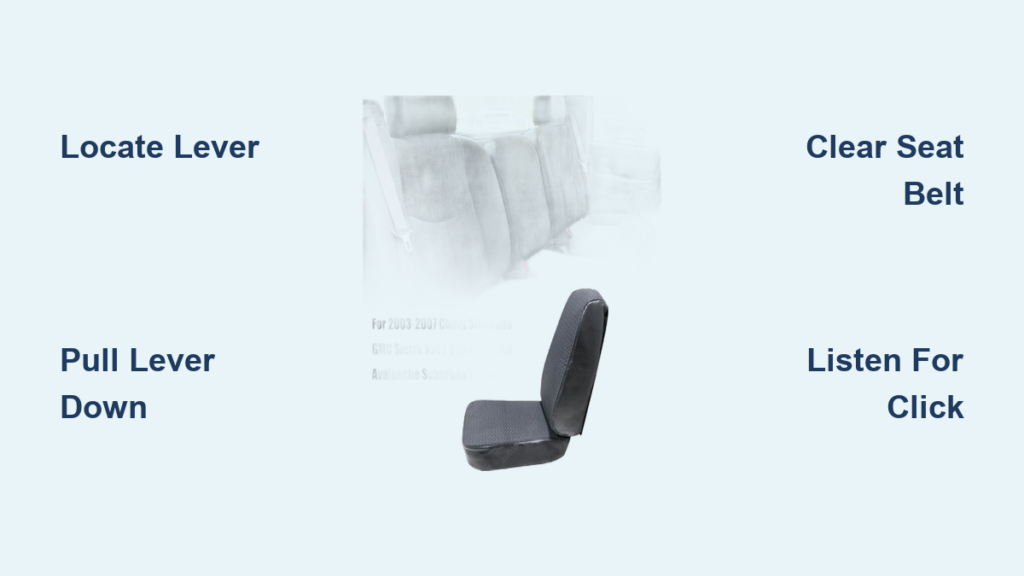
The entire folding process starts with one small lever. On 1999 to 2006 Silverado models, this lever sits on the inboard side of the middle seat base, right where the cushion meets the frame. It’s typically made of black or gray plastic and shaped for an easy grip.
Crouch down and look just behind the front edge of the seat. Floor mats or debris sometimes hide it from view. This lever controls the latch that locks the seat upright. Once you pull it, the pivot mechanism releases.
Recognize Proper Lever Position
Before pulling, check that the lever sits in its resting, upward position. A working lever should spring back when released. If it feels stuck or loose, dirt or damage may be affecting the linkage. A tangled seat belt is another common cause, which we’ll cover in detail later.
Fold the Seat to the Flat Cargo Position
Pull the Lever and Push Forward
Once you’ve located the lever, follow these steps to lower the seat:
- Pull and hold the lever down with one hand.
- Use your other hand to push the seat forward at the top of the backrest.
- Let the seat pivot smoothly downward into the floor cavity.
The seat should follow a natural forward-and-down arc. Never force it. If you hit resistance, stop and check for obstructions. Forcing the mechanism can damage the internal hinges or latch.
Guide the Seat Into a Flush Position
As the seat folds, guide it carefully until it lies completely flat. When correctly seated, the cushion will sit flush with the surrounding cab floor, creating a level surface for cargo.
Press down lightly to confirm stability. A properly locked flat seat won’t wobble or shift. This configuration maximizes your interior length, giving you a continuous surface from the front cab all the way to the tailgate.
Fix the Seat Belt Interference Issue
Identify the Belt Tangling Problem
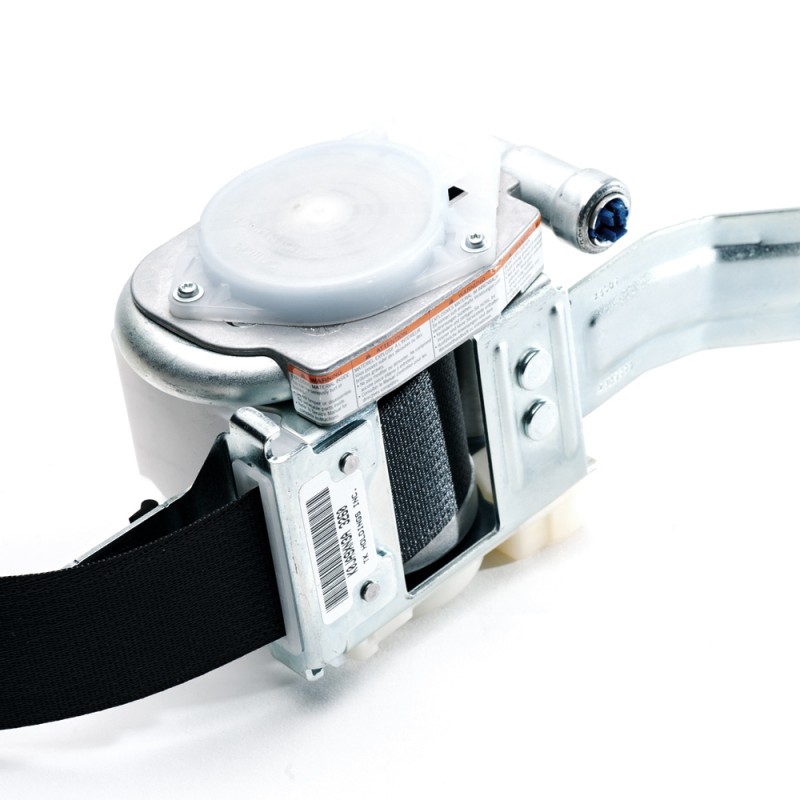
One of the most common reasons the middle seat won’t fold down is seat belt entanglement. The center lap belt can get caught in the folding path, especially if it retracts slowly or was twisted during previous use.
Common symptoms include:
– Lever pulls but the seat won’t move
– Seat starts folding but jams midway
– Visible tension in the belt near the seatback base
Even when the lever works perfectly, a trapped belt can block full movement.
Clear the Belt Path Manually
To resolve this issue:
- Reach behind the seatback or into the lower hinge area on the side.
- Locate the seat belt strap, which may be pinched between the seat frame and floor mount.
- Pull the belt free by guiding it out of the folding zone.
- Unclip the buckle if it’s attached, allowing full range of motion.
After clearing the obstruction, retry the fold-down procedure. Most users find the seat folds smoothly once the belt is out of the way.
Pro Tip: Test the seat a few times after clearing the belt to confirm smooth operation. Consider keeping the belt clipped only when the seat is upright to prevent future jams.
Raise the Seat to the Upright Position
Grip the Front Edge and Lift Up
To return the seat to passenger mode:
- Place your hand on the front edge of the folded cushion, near the driver’s side.
- Lift straight up with firm, even pressure.
The seat pivots on a rear hinge, so lifting vertically engages the locking mechanism. Avoid pulling at an angle, as this can misalign the latch.
Confirm the Audible Click for Safety
As you lift, listen for a distinct “click”. This sound confirms the internal lock has engaged and the seat is safe for passengers.
If you don’t hear the click:
– Lower the seat and try again
– Check for debris in the floor track or hinge area
– Ensure nothing blocks the seat from rising fully
Never allow a passenger to sit on a seat that hasn’t clicked into place. An unlocked seat can collapse during sudden stops or accidents.
Access the Hidden Under-Seat Storage

Lift the Seat to Reveal the Compartment
When the middle seat is upright, lift the cushion slightly from the front edge to expose a hidden storage compartment beneath. This bin is molded into the seat base and designed for quick access.
It’s perfect for storing:
– Snacks or drinks
– Vehicle registration and insurance papers
– Flashlights, gloves, or small tools
– Roadside emergency kits
Keep Items Secure During Transit
While convenient, avoid overloading the compartment. Heavy or loose items can shift during driving and interfere with the seat’s ability to fold down later. Always close and secure contents before lowering the seat.
Expert Note: Some owners use small Velcro pouches or rubber trays inside the compartment to organize contents and prevent rattling.
Troubleshoot Common Folding Failures
Seat Won’t Move Despite Lever Pull
If pulling the lever does nothing:
– Check for dirt or debris in the hinge and track
– Inspect the lever linkage for internal disconnection
– Verify the seat belt is fully cleared
Clean the area with a dry brush or compressed air. Avoid lubricants unless absolutely necessary, since grease can attract more grime over time.
Seat Drops Too Fast or Feels Loose
A seat that falls abruptly when unlatched may indicate worn components or a failing hinge spring. While not always dangerous, it suggests aging mechanics. Support the seat as you lower it to prevent damage or injury.
For persistent looseness, inspect the pivot bolts or consult a mechanic familiar with older GM trucks.
No Click When Raising the Seat
Failure to lock upright is a serious safety concern. Possible causes include:
– Misaligned latch pins
– Bent guide arms
– Foreign objects in the locking mechanism
Inspect visually and manually cycle the lock while the seat is raised. If the mechanism feels broken, do not use the seat until it’s repaired.
Maximize Dual-Use Seat Functionality
Switch Between Passenger and Cargo Modes
The middle seat’s design supports daily versatility:
– Weekday commutes: Keep upright for third-passenger seating
– Weekend hauling: Fold flat for long-item transport
Because the system is built for repeated use, frequent transitions won’t degrade performance, as long as you maintain it properly.
Optimize for Long Item Transport
When using cargo mode:
– Remove floor mats if they lift or bunch
– Align cargo from cab to tailgate for maximum reach
– Use cargo nets or straps to secure loads and prevent shifting
This setup effectively extends your bed into the cab, ideal for transporting ladders, pipes, or furniture.
Know the Compatible Model Years and Features
Confirm Your Truck’s Generation
This folding middle seat system applies specifically to Chevy Silverado 1500 and 2500 models from approximately 1999 to 2006, including GMC Sierra equivalents. It was standard in extended cab (also called “quad cab”) configurations with rear-hinged back doors.
The 2005 model year is frequently cited as a reliable reference point for this mechanism’s operation.
Recognize Design Limitations
Later models (2007 and up) underwent a redesign, and many no longer include a fold-flat middle seat. If your truck falls outside the 1999 to 2006 range, this procedure may not apply.
Additionally, crew cab models or those with bench seats may have different configurations. Always verify your cab style and seat type before attempting the fold.
Frequently Asked Questions About Lowering the Middle Seat in a Chevy Silverado
Where is the release lever on the middle seat of a Chevy Silverado?
The release lever is mounted on the side of the seat base, near where the cushion meets the frame. It’s typically on the inboard side and made of black or gray plastic. You may need to crouch down for a clear view.
Why won’t my Silverado middle seat fold down even when I pull the lever?
The most common cause is seat belt entanglement. The center lap belt can get caught in the folding path, physically blocking the seat from pivoting. Reach behind the seatback and manually clear the belt before retrying.
How do I know when the middle seat is locked in the upright position?
Listen for a distinct audible “click” as you lift the seat. This sound confirms the internal locking mechanism has engaged. Never allow a passenger to sit on a seat that hasn’t clicked into place.
Does every Chevy Silverado have a fold-flat middle seat?
No. This feature is specific to 1999 to 2006 Silverado and GMC Sierra extended cab models. Later models (2007 and up) often lack a fold-flat middle seat due to design changes.
Can I access storage under the middle seat?
Yes. When the seat is upright, lift the cushion from the front edge to reveal a hidden compartment beneath. It’s ideal for small items like documents, snacks, tools, or emergency supplies.
Is it safe to drive with the middle seat folded flat?
Yes, as long as the seat is fully locked in the flat position and sits flush with the floor. Avoid placing loose items that could slide into the folding mechanism during transit.
Key Takeaways for Lowering Your Chevy Silverado Middle Seat
Lowering the middle seat in your 1999 to 2006 Chevy Silverado comes down to three essentials: find the side lever, pull it while pushing the seat forward, and clear any seat belt obstructions before folding. Always listen for the audible click when raising the seat to confirm it’s locked for passenger use. Take a moment to check out the hidden under-seat storage while the seat is upright. With these steps in mind, you can switch between passenger comfort and cargo utility whenever your day demands it. Try folding the seat this weekend to get familiar with the mechanism before you actually need it on a job site or road trip.