If your Chevy Silverado’s steering wheel whines every time you turn, or the fluid under the cap looks like used motor oil, your power steering system is begging for a flush. Between 60,000 and 100,000 miles, the fluid breaks down, collects metal shavings, and loses the lubricity your pump and steering gear need to survive. On trucks with Hydroboost brakes, dirty fluid can even weaken your stopping power. Despite GM’s “fill-for-life” reputation, real-world experience and factory service manuals confirm that a proper flush restores smooth steering and protects expensive components. This guide shows you how to flush power steering system Chevy Silverado trucks using basic tools, no shop visit required.
You’ll learn how to identify your exact steering configuration, choose the right flush method, and complete the job without introducing air into the system. The whole process takes about 20 minutes and costs under $20.
Identify Your Chevy Silverado’s Steering System
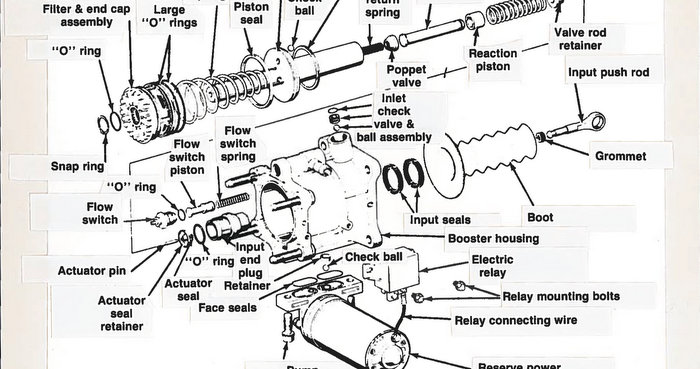
Before draining any fluid, you need to know what you’re working with. The procedure changes slightly depending on whether your truck has Hydroboost brakes and which steering gear it uses.
Check for Hydroboost Brakes
Hydroboost trucks use power steering pressure to assist braking, which means the flush requires extra steps. Here’s how to tell if you have this system:
- Look at the master cylinder. If there’s no large round black vacuum booster behind it, and the master cylinder bolts straight to the firewall, you likely have Hydroboost.
- Trace the lines. Hydraulic lines running from the power steering pump to a box near the master cylinder confirm Hydroboost.
- Check the glove box sticker. Look for RPO code JH6 or any code starting with JH. This confirms Hydroboost.
Find Your Steering Gear Type
Most heavy-duty Silverados use a recirculating ball steering box, while some 1500 models have rack and pinion. The flush steps are identical either way, but hose access may differ. Look under the front of your truck. Recirculating ball systems have a visible pitman arm and drag link, while rack and pinion setups look more compact.
Locate Key Components
Before you start, find these parts under the hood:
- Reservoir: Driver’s side, near the firewall, marked with a steering wheel symbol.
- Return line: A soft rubber hose with a slide clamp connecting the steering gear back to the reservoir. This is the line you’ll disconnect.
- High-pressure line: A rigid metal line with threaded fittings. Leave this alone.
Gather Tools and Fluid
You don’t need a power steering flush machine or a trip to the dealer. Everything on this list is affordable and reusable.
Essential Tools
- Suction pump (battery-powered or hand-operated) or a large turkey baster
- Hose clamp pliers for tight spaces
- 3/8-inch clear fuel line, 2 to 3 feet long, to watch fluid color
- Catch bucket that holds at least 2 quarts
- Funnel and plenty of rags
- Jack and jack stands for safe under-vehicle access
- Penetrating oil and a hot air gun for stubborn hoses
- Wrench set and socket set
- Rubber glove or yellow brake bleeder cap to seal the reservoir if needed
Choose the Correct Fluid
Using the wrong fluid can swell seals and cause leaks. Stick with one of these:
- Dexron VI Automatic Transmission Fluid (ATF)
- GM Part Number 88884671 (OE specification)
Check your owner’s manual to confirm which one your truck requires.
Choose the Right Flush Method
Two methods work well. Pick based on how bad your fluid looks.
Suction Flush for Light Contamination
This partial flush works for routine maintenance when fluid is only slightly dark.
- Raise the front end with jack stands for safety.
- Extract old fluid from the reservoir using your suction pump or turkey baster.
- Circulate remaining fluid by turning the steering wheel lock-to-lock 5 to 10 times with the engine off. This pushes fluid from the lines into the reservoir.
- Repeat extraction to pull out the newly surfaced fluid. Do this 3 to 4 times.
- Refill with fresh fluid to the “Cold Full” line.
This method replaces about 40 to 50% of the system fluid. It’s fine for maintenance but not enough for sludge.
Full System Flush for Black Fluid or Noise
Use this method when fluid is black, the pump whines, or steering feels rough.
Disconnect the Return Line
- Access the pump. On some models like the 2007 Classic, remove the skid plate first.
- Loosen the return hose clamp using hose clamp pliers. Slide the clamp down the hose.
- Remove the hose from the pump. If it’s stuck, apply penetrating oil or warm it with a hot air gun. Pry gently with a dull screwdriver.
- Attach your clear drain hose to the disconnected return line.
- Route the other end into your catch bucket on the ground.
Begin the Flushing Cycle
You have two options for running the flush:
Option A: Engine Off (Safer)
– Add fresh fluid to the reservoir.
– Turn the steering wheel lock-to-lock manually.
– Fluid will slowly drain into the bucket.
– Top off the reservoir and repeat.
Option B: Engine On (Faster)
– Start the engine and idle for 5 to 10 seconds.
– Never let the reservoir run dry. Have a helper watch the level.
– Turn the wheel lock-to-lock.
– Shut off the engine, refill, and repeat.
Flush Hydroboost Systems
If your Silverado has Hydroboost brakes, add this step:
- Press the brake pedal to the floor and hold.
- Turn the steering wheel lock-to-lock.
- This forces fluid through the brake booster circuit.
Stop When Fluid Runs Clear
Watch the fluid moving through your clear hose. It starts thick and black with visible sludge, then gradually turns amber and clean. Expect 8 to 10 cycles before the output looks like fresh fluid.
Reconnect and Bleed Air from the System

Air trapped in the system causes whining, spongy steering, and pump damage. Bleeding is not optional.
Reconnect the Return Line
- Pinch your drain hose or shut off the engine to stop flow.
- Remove the tubing and reconnect the original hose to the pump.
- Slide the clamp back and tighten it securely.
- Fill the reservoir to the “Cold Full” line.
Bleed Air from the System
- Leave the cap off so air can escape.
- Engine-off bleeding: Turn the wheel lock-to-lock slowly 10 times. Listen for gurgling. Top off fluid as the level drops.
- Engine-on bleeding: Start the engine, idle 5 to 10 seconds, then shut it off. Top off the fluid. Repeat 3 to 4 times.
- Hydroboost air bleed: Gently pump the brake pedal while turning the wheel to purge air from the booster.
Final Verification
- Let the truck sit overnight so air bubbles can rise and dissipate.
- Recheck the level cold and top off to the “Cold Full” line.
- Test drive in a parking lot, making full turns to work out remaining air.
- Confirm smooth steering with no noise, shudder, or inconsistent feel.
Troubleshoot Common Post-Flush Issues
Even careful work can leave problems behind. Here’s how to fix them.
Whining After the Flush
Trapped air is the usual culprit. Repeat the bleeding cycle with the cap off and turn the wheel slowly lock-to-lock with the engine running. Let the truck sit overnight and check again.
Slow or No Drainage
Make sure the return hose is fully disconnected and your drain tube isn’t kinked. On Hydroboost models with dual return circuits, disconnecting the main return line usually handles most of the system.
Reservoir Emptying Too Fast
If the pump is draining faster than you can refill, switch to the engine-off method or grab a helper to pour fluid continuously while you turn the wheel.
Prevent Future Power Steering Problems
A good flush pays off for years if you maintain it properly.
Follow Fluid Level Rules
- Always check fluid when the engine is cold.
- Fill to the “Cold Full” line for the initial fill.
- Only use the “Hot Full” line after the system warms up. Overfilling causes foaming and leaks.
Flush Every 60,000 to 100,000 Miles
Real-world conditions demand maintenance regardless of what GM says. Clean fluid prevents pump wear, varnish buildup, steering gear damage, and brake performance loss on Hydroboost models.
Never Let the Pump Run Dry
The power steering pump depends on fluid for lubrication. Running dry for even 10 seconds can destroy the internal vanes. Always keep the reservoir topped off during any flushing procedure.
Frequently Asked Questions About Flushing Power Steering in a Chevy Silverado
What type of power steering fluid does a Chevy Silverado use?
Most Chevy Silverado trucks from 1999 to 2013 use Dexron VI Automatic Transmission Fluid or GM Part Number 88884671. Using the wrong fluid can damage seals and cause leaks, so always verify with your owner’s manual before starting.
How often should you flush the power steering system on a Silverado?
Flush the system every 60,000 to 100,000 miles, or sooner if the fluid turns dark brown or black. Trucks used for towing, hauling, or frequent low-speed maneuvering may need more frequent service.
Can I flush the power steering system without removing the return line?
Yes. A suction flush using a turkey baster or pump removes about 40 to 50% of the old fluid and works well for routine maintenance. For heavily contaminated systems, disconnecting the return line gives a more complete flush.
What happens if air gets into the power steering system?
Air causes whining or gurgling noises, spongy steering, and inconsistent assist. It can also damage the pump if left unresolved. Bleed the system by turning the wheel lock-to-lock with the cap off and topping off the fluid repeatedly.
Does Hydroboost change the flushing procedure?
Yes. On Hydroboost-equipped trucks, you must press and hold the brake pedal while turning the steering wheel during the flush. This forces fluid through the brake booster circuit and ensures the entire hydraulic system gets cleaned.
Will flushing the power steering system fix a whining pump?
Sometimes. Whining caused by dirty or aerated fluid often disappears after a thorough flush and bleed. If the noise persists after bleeding is complete, the pump itself may be worn and need replacement.
Key Takeaways for Flushing Your Silverado’s Power Steering
A power steering flush is one of the highest-return DIY maintenance tasks you can perform on your Chevy Silverado. The job takes about 20 minutes, costs under $20 in fluid, and requires no special equipment. Start by identifying whether your truck has Hydroboost brakes and which steering gear it uses. Gather Dexron VI ATF or GM 88884671, a suction pump, clear tubing, and basic hand tools.
Choose a suction flush for routine maintenance or a full return-line flush for black, noisy systems. Always keep the reservoir full during the procedure, bleed air thoroughly afterward, and let the truck sit overnight before the final test drive. Your steering will feel smoother, your pump will last longer, and your brakes will respond better on Hydroboost models. Pick up a quart of Dexron VI this weekend and give your Silverado the flush it deserves.