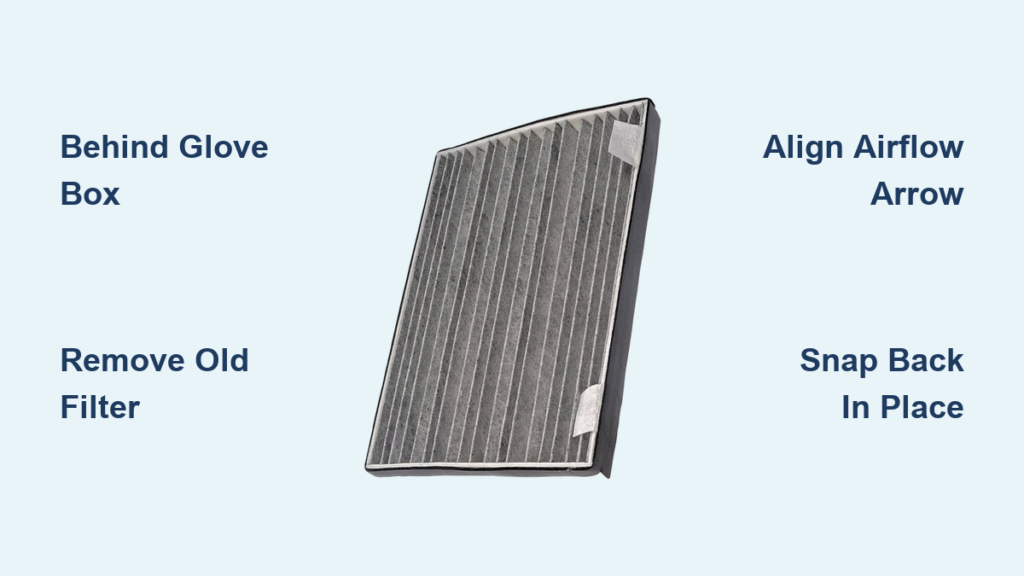
You spend hours every week inside your Silverado’s cab, breathing whatever the HVAC system pushes through the vents. If that air smells musty, feels stale, or carries a faint whiff of last summer’s road dust, your cabin air filter is overdue for a swap. The good news is that learning how to replace Silverado cabin air filter takes roughly 2 minutes and costs far less than a dealership visit. No specialty tools, no mechanic appointment, no hassle.
This guide walks you through the entire process, from picking the right filter at the store to sliding the new one into place. You’ll also learn when to schedule your next replacement and why this tiny component makes such a noticeable difference in everyday driving comfort.
Pick the Right Replacement Filter

Choose a Filter That Actually Performs
The FRAM Fresh Breeze cabin air filter stands out as the top recommendation for Silverado owners who want noticeable results. It uses odor-eliminating technology, often infused with baking soda, to neutralize smells from smoke, pets, and road debris. Many drivers report that their truck’s interior feels “brand new” immediately after installation.
Compare Your Shopping Options
You have three solid choices depending on where you prefer to shop:
- FRAM Fresh Breeze: Available at Canadian Tire, ideal for odor control and long-lasting freshness
- TrueAir: A budget-friendly compatible option stocked at Walmart
- FRAM Cleaning Gel: Available on Amazon, useful for wiping down the housing area during your swap
All three are designed to fit various Silverado models, though exact fitment can vary by year. Always double-check the packaging against your specific model before purchasing.
Find the Filter Housing
Head to the Passenger-Side Glove Box
The cabin air filter on most Chevrolet Silverados lives behind the passenger-side glove box. You won’t need to pop the hood or crawl under the dashboard. Everything happens right inside the cab, within arm’s reach.
Release the Glove Box Door
Empty the glove box first to give yourself room to work. Gently push upward on the bottom of the glove box door to release the tension stops. The housing is typically held by simple clips or latches that allow the entire glove box to pivot downward, exposing the filter compartment behind it. Most Silverado models require no screws or tools for this step.
Pull Out the Old Filter

Slide the Used Filter Straight Out
With the housing exposed, you’ll spot the old filter sitting in a track or slot. Look for an airflow direction arrow printed on its side. Grasp the filter firmly and pull it straight out along the track. Expect to see accumulated dust, pollen, leaves, or other debris, especially if the filter has been in place for over a year.
Inspect the Housing for Debris
Take a moment to peek inside the empty housing. If you spot leaves, dirt, or loose debris, wipe the area clean with a dry cloth or a small amount of FRAM Cleaning Gel. This quick step prevents contaminants from being pulled into your brand-new filter the moment you start the fan.
Seat the New Filter Correctly

Match the Airflow Arrow
Before sliding the new filter in, locate the airflow direction arrow printed on its frame. This arrow must point into the dashboard, which typically means downward or toward the rear of the vehicle. Installing the filter backward restricts airflow and reduces filtration efficiency.
Push It In Until It Clicks
Align the new filter with the track and slide it in gently. It should fit snugly without forcing. Most filters click or lock into place once they’re fully seated. If you feel resistance, pull it out and realign rather than pushing harder.
Reassemble and Test the System
Snap the Glove Box Back Into Place
Lift the glove box door back up to its normal position. It should click or snap securely into the closed position. Apply light pressure along the edges to confirm the side latches have fully re-engaged.
Run the Fan and Check the Results
Start your Silverado and turn the fan to medium or high speed. Within seconds, you should notice:
- Stronger airflow from the vents
- Reduced musty or stale odors
- Cleaner-smelling air, especially with FRAM Fresh Breeze
If airflow still feels weak, shut the system off and verify that the filter is seated correctly and facing the right direction.
Why This Quick Swap Matters

Breathe Cleaner Air Every Drive
A fresh cabin air filter traps dust, pollen, mold spores, and airborne pollutants before they enter the cab. This matters most for allergy sufferers, pet owners, and anyone who drives frequently in dusty or urban environments.
Restore That “Like-New” Cabin Feel
Many Silverado owners describe an immediate improvement in cabin comfort after a filter swap. The air feels lighter, the vents push harder, and the whole truck somehow feels more luxurious. That sensation is the payoff of clean, unrestricted airflow.
Save Time and Money on Every Swap
Replacing the filter yourself takes 2 minutes and costs a fraction of what a dealership or shop would charge. You’re not just saving money. You’re taking control of your truck’s maintenance schedule and skipping the appointment entirely.
Schedule Your Next Replacement

Follow a Simple Mileage or Time Rule
Change your Silverado’s cabin air filter every 12,000 to 15,000 miles, or once a year, whichever comes first. If you regularly drive on dusty roads, near construction zones, or with pets in the cab, consider swapping it every 6 months instead.
Watch for These Warning Signs
Replace the filter sooner if you notice any of these symptoms:
- Weak or reduced airflow from the vents
- Musty or sour smells when the AC runs
- Increased window fogging that takes longer to clear
- Allergy symptoms that flare up while driving
Make the Swap a Lasting Habit
No Mechanic Required
This is a true do-it-yourself job. No lifts, no specialty tools, no mess under the hood. If you can open a glove box, you can handle this task. The Silverado’s design intentionally makes the filter easy to reach, so take advantage of it.
Tie It to a Calendar Reminder
Set a recurring reminder on your phone or link the swap to an annual event like daylight saving time. Consistent filter changes keep your HVAC system running efficiently and extend the lifespan of the blower motor.
Share the Gesture
Surprising a partner with a quick filter swap is a small act of service that delivers real, everyday comfort. Every drive becomes a little fresher, and the gesture takes only a couple of minutes to complete.
Frequently Asked Questions About Silverado Cabin Air Filter Replacement
Where is the cabin air filter located on a Silverado?
On most Chevrolet Silverado models, the cabin air filter sits behind the passenger-side glove box. You access it by releasing the glove box door and letting it pivot downward to reveal the filter housing behind it.
How long does it take to replace the cabin air filter?
The entire swap takes approximately 2 minutes from start to finish. No tools are required for most Silverado model years.
Which cabin air filter brand is best for a Silverado?
FRAM Fresh Breeze is the top-recommended option for odor elimination and overall performance. TrueAir is a solid budget-friendly alternative that fits the same housing.
How often should I change my Silverado’s cabin air filter?
Replace it every 12,000 to 15,000 miles or once a year, whichever comes first. Drivers in dusty conditions or those who travel with pets should consider a 6-month interval.
Do I need any tools to replace the filter?
No. The Silverado’s cabin air filter housing is designed for tool-free access. Releasing the glove box and swapping the filter requires only your hands.
Will a new cabin air filter improve airflow?
Yes. A clean filter removes the restriction caused by accumulated dust and debris, which typically results in noticeably stronger airflow from the vents and fresher-smelling air throughout the cab.
Key Takeaways for Replacing Your Silverado Cabin Air Filter
Learning how to replace Silverado cabin air filter is one of the fastest maintenance wins available to truck owners. The job takes 2 minutes, requires no tools, and delivers immediate improvements in airflow and cabin freshness. Grab a FRAM Fresh Breeze filter from Canadian Tire or a TrueAir filter from Walmart, slide out the old unit behind the glove box, match the airflow arrow on the new filter, and snap everything back together.
Set a reminder to repeat the swap every 12 to 15 months, and your Silverado will keep delivering clean, comfortable air on every drive. Pull up your favorite parts retailer today and add a filter to your cart. Your next drive could be the freshest one yet.