You’re climbing a steep grade with a trailer behind your Chevrolet Silverado, and you press the Tow/Haul button expecting the transmission to settle into a lower gear. Instead, nothing happens. The dash light stays dark, or it illuminates but the transmission keeps hunting between gears with no engine braking on the descent. This frustrating scenario affects Silverado owners from 1999 through 2026, and the root cause is almost always a simple mechanical failure you can fix yourself.
The Tow/Haul system modifies transmission behavior under load by delaying upshifts, increasing line pressure, and enhancing engine braking on grades. When it fails, towing becomes inefficient and potentially dangerous, especially on mountain descents where brake fade becomes a real risk. This guide walks you through every diagnostic step and repair option, starting with quick checks and ending with a permanent fix that prevents the issue from ever returning.
Check Tow Haul Light Response

No Light When Button Pressed
If pressing the Tow/Haul button produces no dash indicator, the signal isn’t reaching the system. Before diving into complex diagnostics, try these quick tests:
- Wiggle the shifter while pressing the button. If the light flickers or activates when you move the lever, this is a classic sign of a broken wire inside the shift column.
- Test in Neutral: Some 2014 and newer models only allow activation in Neutral. Shift into Neutral and try the button again.
- Check for intermittent contact: A broken internal wire may make temporary contact when the shifter is pulled outward or held in a specific position.
If the light never illuminates, even when wiggling the shifter, move on to electrical testing.
Light On But No Functional Change
If the dash indicator turns on but the transmission behavior stays the same, the problem shifts from hardware to software logic:
- The TCM (Transmission Control Module) is receiving the signal but not executing the Tow/Haul strategy.
- Possible causes include corrupted TCM software, adaptive learning errors, or internal solenoid failure.
- Drive under load to confirm the issue. On a hill, the transmission should hold lower gears longer and downshift earlier when slowing. If it doesn’t, the mode isn’t functioning despite the light being on.
Inspect Trailer Wiring and Fuses
Disconnect Trailer to Test
Faulty trailer wiring can disable Tow/Haul mode entirely. The truck’s electrical system may detect a short and shut off auxiliary functions as a protective measure.
- Unplug the trailer completely from the truck.
- Restart the vehicle and test the Tow/Haul button.
- If it works now, inspect the trailer harness for:
- Shorted brake or running light circuits
- Corroded or bent pins in the connector
- Poor ground connection at the trailer plug
Clean all contacts with electrical contact cleaner and ensure wiring is properly insulated before reconnecting.
Check Relevant Fuses
A blown fuse can cut power to the TCM or the switch itself, silently disabling the entire system.
- Locate the underhood fuse box and interior fuse panel.
- Check fuses labeled:
- TCM
- BCM
- Accessory power
- Shift solenoid
- Use a test light or multimeter to verify continuity across each fuse.
- Replace any blown fuses with the correct amperage rating.
Warning: Replacing a fuse without fixing the underlying short will result in repeated failures. Always investigate why the fuse blew.
Test Shifter Switch and Wiring
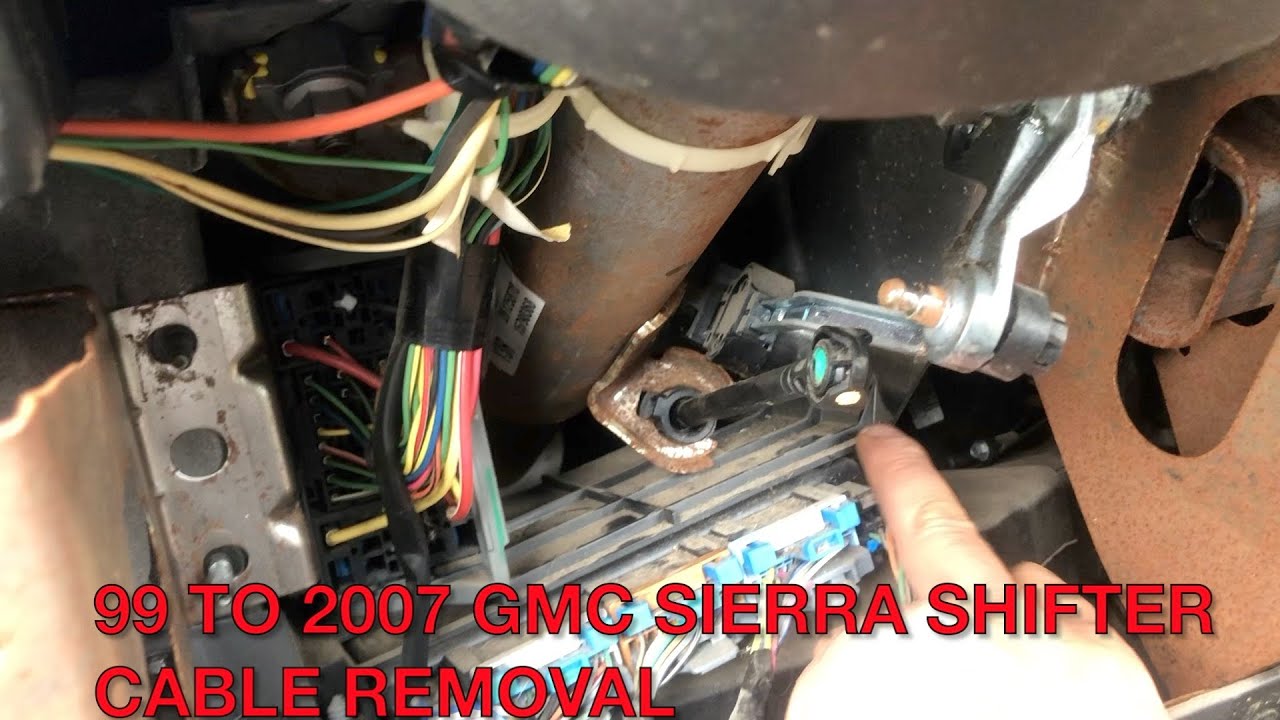
Perform Continuity Test
Use a multimeter to verify the Tow/Haul switch is functioning electrically.
- Turn the ignition OFF.
- Remove the steering column cover (no dashboard removal needed on 2016 and newer models).
- Locate the wiring harness plug connected to the shifter assembly.
- Back-probe the Tow/Haul signal wire (often orange or orange/black in older models).
- Set your multimeter to continuity or resistance mode.
- Press the button and observe the reading:
– Should read near 0 ohms when pressed
– Should read infinite resistance when released
If resistance is high or inconsistent when pressed, the switch or its wiring is faulty.
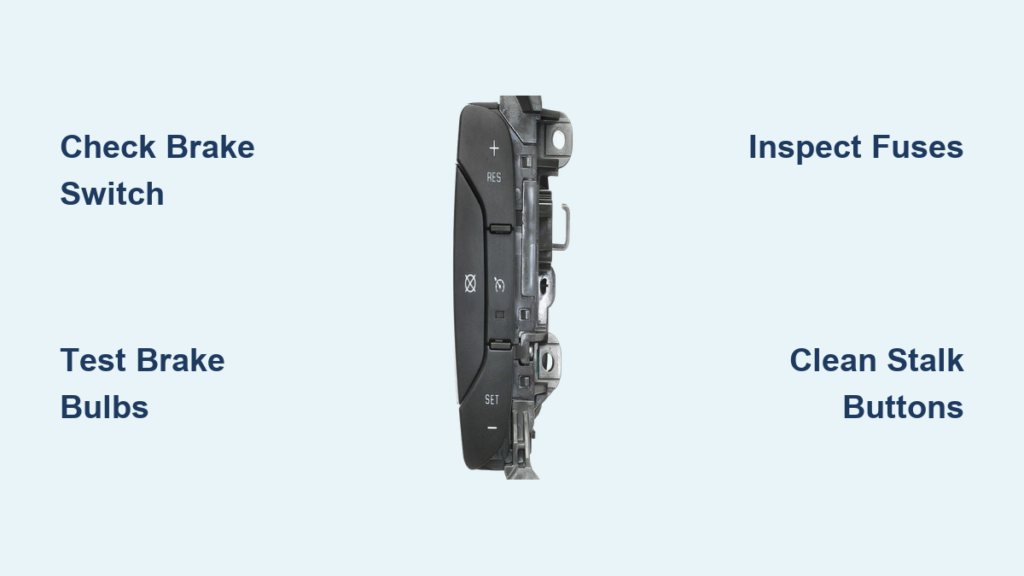
Inspect Internal Wiring Harness
This is the most common failure point across all Silverado generations, from 1999 to 2026.
- Remove the shift lever assembly or access the wiring inside the steering column.
- Focus your inspection on the bend zone, where wires flex every time you shift gears.
- Look carefully for:
- Frayed or severed copper strands
- Wires cracked inside otherwise intact insulation
- Discoloration from heat damage or corrosion
Fact: In 2018 and 2024 owner reports, users discovered clean cuts in the wire exactly at the bend point, confirming mechanical fatigue as the cause even in modern Silverados.
If you find a broken wire, soldering may restore function temporarily, but the stress remains and failure will likely recur nearby.
Diagnose TCM and BCM Issues
Verify TCM Signal Reception
Use a Tech 2 or equivalent professional scan tool to monitor live data from the TCM.
- Access the TCM data stream through the scan tool menu.
- Look for a parameter labeled “Tow/Haul Switch” or similar.
- Press the button and observe the status:
- If the status changes from “Off” to “On,” the signal is reaching the TCM successfully.
- If it doesn’t change, the issue lies in the switch, wiring, or fuse.
Key Insight: If the scan tool sees the input but the transmission doesn’t respond, the fault is internal to the TCM or the transmission hydraulics, requiring professional service.
Reset TCM Adaptive Learning
Erroneous shift memory can prevent Tow/Haul from engaging properly, especially after battery disconnects or tune changes. Follow this exact sequence:
- Turn ignition to Position 2 (accessory on, engine off).
- Press and hold the accelerator pedal to the floor.
- Wait 10 to 15 seconds.
- Turn ignition to OFF (do not release the pedal yet).
- Release the pedal.
- Wait 2 full minutes with the key off.
- Start the engine and drive normally for 10 to 15 minutes to allow the TCM to relearn.
Note: This reset clears adaptive shift tables. It may not fix hardware issues but can resolve “ghost” malfunctions caused by corrupted memory.
Check BCM Ground Connection
A loose or corroded BCM ground can cause multiple electrical faults that affect Tow/Haul operation.
- Locate the main ground strap on the driver’s side cab mount, near the rear of the frame rail.
- Inspect for:
- Rust or corrosion on the contact surfaces
- Loose mounting bolts
- Broken or frayed strap material
- Clean thoroughly with a wire brush and tighten the bolts securely.
If you’re also experiencing automatic door locking in Drive or inoperative door switches, this ground is likely the culprit.
Repair or Bypass the Shifter Switch
Replace Shift Lever Assembly
Dealers often recommend replacing the entire shifter module as the “official” fix.
- Cost: $300 to $500 for parts, plus 2 to 3 hours of labor.
- Risk: Factory assemblies still use the same flawed wire routing, so failure often returns within months or years.
- DIY Time: 1 to 2 hours for experienced home mechanics.
While effective short-term, this approach doesn’t address the fundamental design flaw and isn’t a permanent solution for frequently used trucks.
Install Momentary Bypass Switch (Permanent Fix)
The most reliable long-term solution is to bypass the factory shifter switch entirely.
Why It Works
- Removes wires from the moving shifter assembly
- Eliminates the mechanical stress that causes failures
- Uses a stationary switch unaffected by gear changes
Required Parts
- Normally open (NO) momentary push-button switch
- 18-gauge stranded wire (2-conductor)
- Heat-shrink tubing
- Optional: LED pilot light to mirror the dash indicator
Installation Steps
- Access the shifter harness inside the steering column.
- Cut the Tow/Haul signal wires at the plug.
- Solder two-conductor wire to the vehicle side of the harness.
- Route the wire to the knee bolster or under-dash area.
- Mount the momentary switch securely in your chosen location.
- Connect the wire to the switch terminals.
- (Optional) Wire an LED light in parallel to confirm activation visually.
Critical: Use a momentary switch, not a toggle. This ensures the mode resets when the key is turned off, preventing unintended engagement during normal driving.
This modification is widely used by Silverado owners across all generations and eliminates repeat failures permanently.
Confirm Tow Haul Functionality
Road Test Under Load
The only definitive test for Tow/Haul functionality is real-world performance under actual load.
Drive on a moderate incline and engage Tow/Haul mode:
- Upshifts should be delayed, with the engine staying in gear longer and reaching higher RPMs.
- Downshifts should occur sooner when you lift off the throttle.
- Transmission should not “hunt” on grades (no rapid shifting between gears).
- Engine braking should be noticeable when descending.
If no change occurs, recheck the TCM signal via scan tool, inspect transmission fluid condition, and verify TCM software version.
Compare Normal vs. Tow Haul Behavior

| Behavior | Normal Mode | Tow Haul Mode |
|---|---|---|
| Upshift RPM | 2,500 to 3,000 | 3,500 to 4,500+ |
| Downshift Timing | Late | Immediate |
| Hill Shifting | Hunting common | Stable |
| Line Pressure | Standard | Increased |
| Engine Braking | Minimal | Strong |
If these differences aren’t clear during your test drive, the system is not functioning correctly.
Prevent Future Tow Haul Failures
Perform Regular Maintenance
- Check transmission fluid every 5,000 miles:
- Level should be in the “hot” range on the dipstick
- Color should be red or pink, not brown or black
- Smell should be sweet, not burnt
- Replace fluid and filter every 50,000 to 75,000 miles, especially if you tow regularly.
- Inspect transmission cooler lines for kinks, leaks, or damage.
Low or degraded fluid can trigger safety protocols that disable Tow/Haul to protect the transmission.
Update TCM Software
Newer Silverados (2014 and up) rely more heavily on software calibration.
- Visit a dealer or qualified shop with GM-specific scan tools.
- Request:
- TCM reprogramming
- Latest calibration updates
- This is especially important if the truck had a performance tune that altered shift logic.
Software updates can resolve “no response” issues even when all hardware checks out.
Avoid Aftermarket Tuners as Towing Substitute
Aftermarket programmers like Edge or Hypertech can mimic some Tow/Haul effects but do not replicate:
- Dynamic engine braking logic
- Increased line pressure under load
- Torque converter lock-up management
Relying on a tune alone leaves your transmission vulnerable during heavy towing operations.
Frequently Asked Questions About Silverado Tow Haul Not Working
Why does my Silverado tow haul button not light up when pressed?
The most common cause is a broken wire inside the steering column shifter assembly. The wires flex every time you shift gears, and over years of use, the copper strands fracture at the bend point. Try wiggling the shifter while pressing the button. If the light flickers, you’ve confirmed a wiring issue inside the column.
Can I still tow without a working Tow/Haul mode?
Yes, but it’s not recommended for heavy loads or mountain driving. Without Tow/Haul, you’ll experience more transmission hunting on grades, earlier upshifts, and significantly reduced engine braking on descents. This puts extra stress on your service brakes and can lead to brake fade on long downhill runs.
How much does it cost to fix Silverado tow haul not working at a dealer?
Dealer repairs typically cost $150 or more for diagnosis alone, plus $300 to $500 for a shift lever assembly and 2 to 3 hours of labor. Total costs often exceed $800. However, factory replacements use the same flawed wire routing, so the problem frequently returns within a few years.
What is the permanent fix for Silverado tow haul not working?
The permanent fix is a bypass modification that eliminates the factory shifter switch entirely. You install a momentary push-button switch on the dashboard or knee bolster, connected directly to the Tow/Haul signal wires. This removes all mechanical stress from the circuit and prevents recurrence. Total cost is under $20 for parts.
Will a TCM reset fix Tow/Haul mode that isn’t working?
A TCM adaptive learning reset can fix Tow/Haul issues caused by corrupted shift memory, especially after battery disconnects or tune changes. However, it will not repair broken wires, blown fuses, or physically damaged switches. Try the reset procedure before pursuing more invasive repairs.
Why does my Tow/Haul light turn on but the transmission doesn’t change behavior?
When the light activates but transmission behavior doesn’t change, the TCM is receiving the signal but not executing the Tow/Haul strategy. This points to TCM programming errors, software corruption, or internal solenoid failure. Professional diagnosis with a scan tool is required to determine whether you need a software update or transmission service.
Key Takeaways for Fixing Silverado Tow Haul Mode
The “Silverado tow haul not working” issue is overwhelmingly caused by a broken wire in the shifter assembly due to mechanical fatigue at the bend point. While dealers often push expensive module replacements that don’t address the root cause, the real fix is straightforward: bypass the faulty switch with a momentary button mounted on your dash or knee bolster.
Start your diagnosis with the simplest checks: wiggle the shifter, disconnect the trailer, and inspect fuses. These take minutes and often reveal the problem immediately. If those don’t solve it, move to continuity testing and the TCM reset procedure before considering more invasive repairs.
For a permanent solution that costs under $20 and takes 1 to 2 hours, the bypass switch modification eliminates the design flaw entirely. Combine this fix with regular transmission fluid checks and TCM software updates to ensure reliable Tow/Haul performance for years to come. Whether you drive a 2002 work truck or a 2024 heavy hauler, this approach restores safe, controlled towing without recurring repair bills.