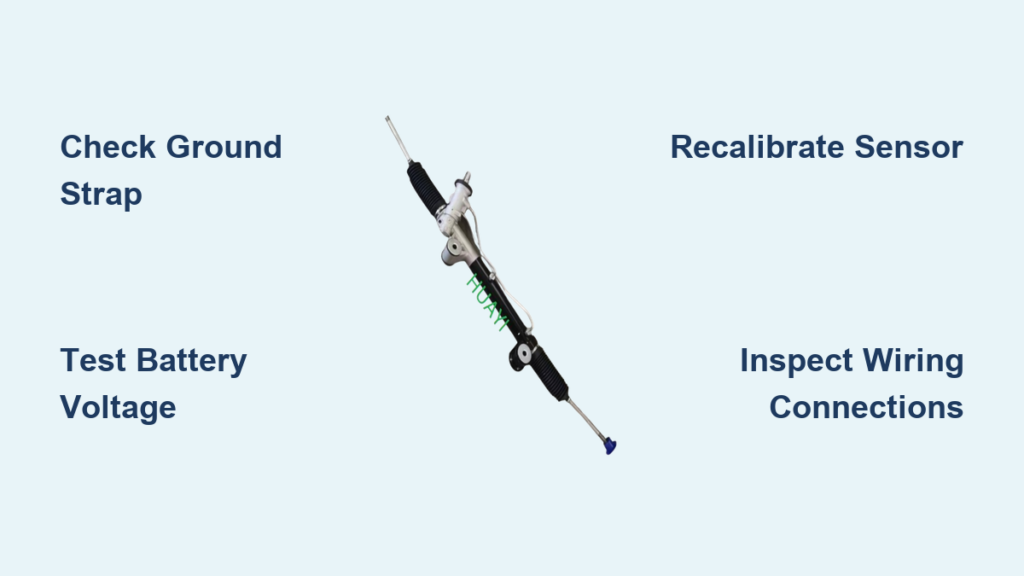
Sudden loss of power steering in your Silverado can be terrifying. The wheel locks up so hard that some drivers say it feels worse than an old truck with no assist at all. The silverado power steering not working issue affects thousands of owners, especially in 2018–2024 models, and often traces back to simple electrical faults rather than expensive mechanical failures.
This guide reveals the real causes, how to diagnose them accurately, and what steps to take before spending thousands at a dealership. In many cases, the actual fix costs around $20 and takes less than 30 minutes.
Decode the Warning Signs Your Silverado Displays
Recognize Sudden Steering Failure
When the electric power steering (EPS) system fails, the steering wheel becomes extremely stiff without warning. This often happens after restarting the engine or following a short parking break. You may struggle to turn at low speeds or maintain lane control on highways. The failure is frequently intermittent, meaning it might return to normal after cycling the ignition but will likely come back.
Identify Dashboard Alerts
The instrument cluster typically displays one or more of these warnings:
– “Service Power Steering”
– “Service ESC” (Electronic Stability Control)
– “Power Steering Failure”
– “Drive With Care”
These alerts are linked because the ESC and EPS systems share sensors and communication networks. A fault in one often triggers warnings in the other.
Note When Failure Occurs
Pay attention to the conditions during failure:
– After adjusting the tilt or telescope steering wheel
– Following short parking periods
– In cold weather or snowy conditions
– While making low-speed turns
These patterns point to electrical issues like ground corrosion or sensor recalibration needs, not mechanical breakdown.
Check Ground Strap Corrosion Behind the Wheel Well
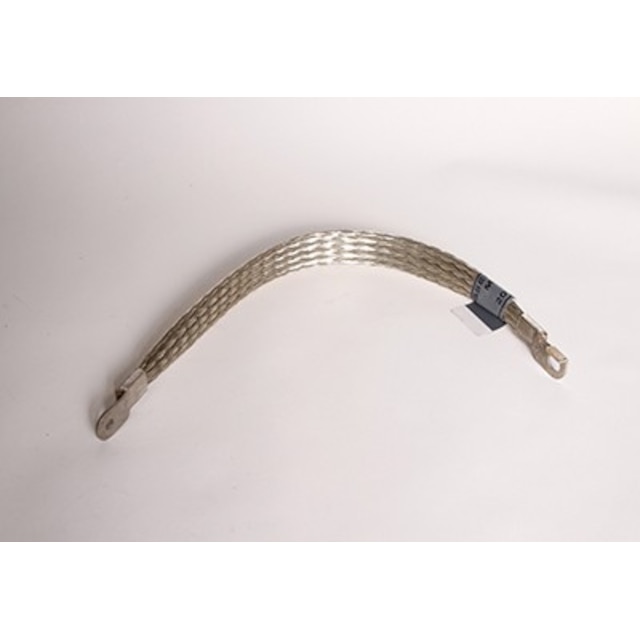
Locate the Braided Earth Strap
A leading cause of EPS failure in 2018–2020 Silverados, especially in northern salt-belt regions, is corroded ground straps. The factory braided strap connects the chassis to the body behind the passenger-side front wheel well. Over time, road salt and moisture eat away at the bare metal, increasing electrical resistance and starving the EPS motor of proper voltage.
Open the wheel well liner and inspect the strap visually. Look for:
– Green or white corrosion
– Broken or frayed strands
– Loose mounting bolts
Even minor corrosion can disrupt the circuit under load.
Test for Voltage Drop
A voltage drop test under load confirms a bad ground:
1. Set your multimeter to DC volts.
2. Connect the red lead to the EPS motor ground terminal.
3. Connect the black lead to the battery negative terminal.
4. Turn the steering wheel fully left and right while measuring.
If the reading exceeds 0.2 volts, you have excessive resistance, likely due to a failing ground strap.
Replace With an Insulated Strap
Replace the corroded factory strap with a heavy-duty insulated ground strap ($15–$25). Unlike the bare OEM version, insulated straps resist future corrosion from road salt. Installation takes under 30 minutes:
1. Disconnect the battery.
2. Remove mounting bolts from both ends of the old strap.
3. Clean contact points with a wire brush.
4. Install the new strap and tighten securely.
This simple fix resolves the issue in many cases with no software or module replacement needed.
Test Battery and Electrical System Health
Perform a Load Test
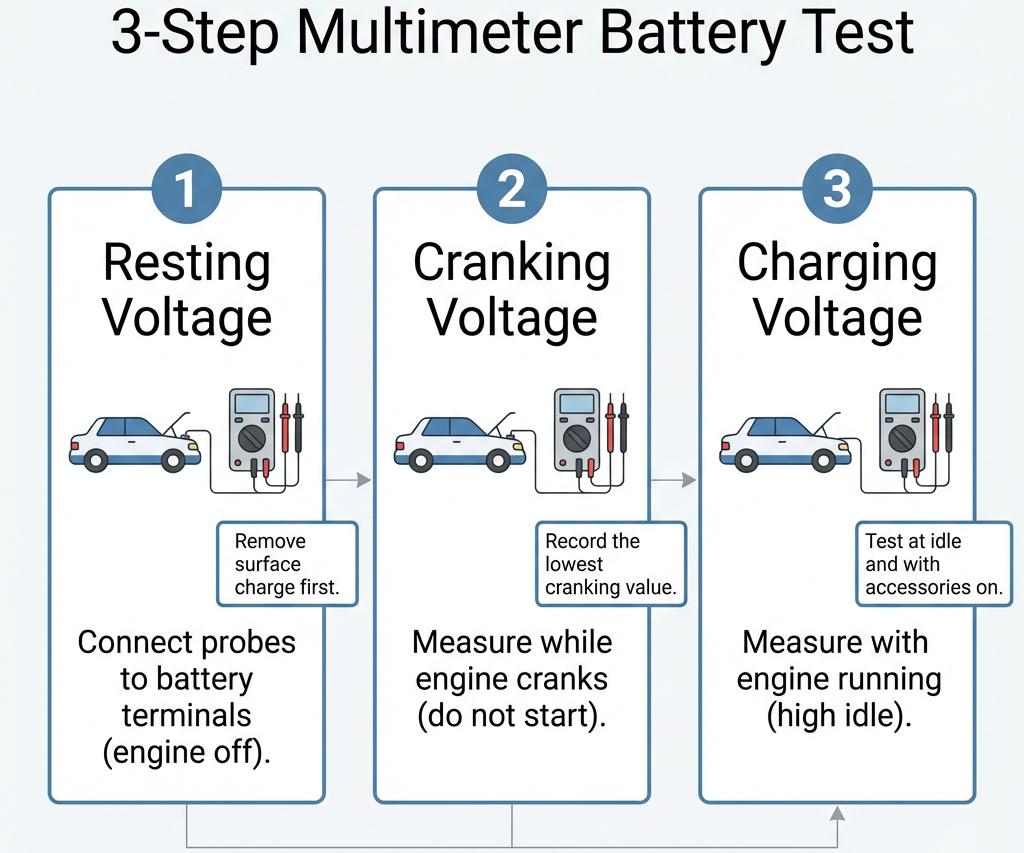
The EPS system shuts down if voltage drops below safe levels. A weak battery can trigger “Service Power Steering” even if the engine starts fine. Have your battery tested under full load at an auto parts store.
Replace the battery if:
– Voltage drops below 9.6V during the load test
– It is more than 4–5 years old
– You have had multiple electrical gremlins like flickering lights or delayed starts
Rule Out Parasitic Drain
If steering fails after the truck sits overnight, check for parasitic draw. Some modules may fail to sleep, draining the battery slowly. Use a multimeter to measure current draw with the vehicle off:
– Normal draw: under 50mA
– Excessive draw: over 100mA
Common culprits include faulty infotainment modules, USB hubs, or aftermarket accessories.
Check EPS Module Connections
Inspect the wiring harness and connectors at the EPS motor, located on the steering column under the dash. Look for corrosion, moisture, loose pins, or damaged insulation. Clean and reseat all connections. A poor connection can mimic a failed motor.
Recalibrate the Steering Angle Sensor
Understand SAS Misalignment
Adjusting the steering wheel tilt or telescope function can throw off the Steering Angle Sensor (SAS). The system expects the wheel to return to its calibrated center position. If not, it detects a mismatch and disables power assist.
This explains why some owners report sudden failure immediately after adjusting their steering wheel, even slightly.
Reset the Sensor Position
You will need a professional-grade OBD2 scanner (such as GM Tech2, Autel MaxiCOM, or Snap-on) to perform an SAS reset. Generic code readers cannot access the ESC or chassis modules.
Steps:
1. Center the steering wheel straight ahead.
2. Connect the scanner and navigate to Steering Angle Sensor Calibration.
3. Follow prompts to reset to zero degrees.
4. Clear any pending codes.
After recalibration, test drive the truck. If the warning returns, the issue is likely electrical or mechanical.
Avoid DIY Guesswork
Do not rely on “relearn” tricks like turning the wheel lock-to-lock three times. These methods do not work on modern GM trucks. Only a proper tool can recalibrate the SAS.
Diagnose Software and Module Glitches

Look for Ghost Faults
Some Silverados show “Service Power Steering” warnings that disappear after restarting yet leave no stored trouble codes. This indicates a transient software fault or momentary sensor dropout, not a hardware failure.
These ghost issues are common in 2019–2023 models and mirror problems GM fixed in 2014–2015 models via software updates. No such update has been issued for newer trucks.
Scan for Hidden Codes
Use a scanner that can read pending and history codes in the ABS/ESC module. Common codes include:
– C0561: EPS Motor Circuit Malfunction
– U0121: Lost Communication with EPS Control Module
– C0750: Steering Angle Sensor Performance
Even if codes are pending or intermittent, they help pinpoint the fault zone.
Consider an EPS Control Module Reset
Some technicians report success by:
1. Disconnecting the battery for 15 minutes.
2. Reconnecting and cycling the ignition 3–5 times.
3. Allowing the system to reinitialize.
This can clear temporary glitches but will not fix underlying electrical issues.
Address the 2024 Mechanical Recall
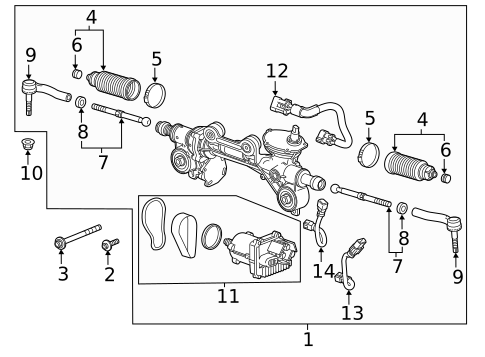
Identify Steering Shaft Fracture Risk
In August 2023, GM issued NHTSA Recall 23V-654 for certain 2024 Silverado 1500 and Sierra 1500 trucks due to a steering gear shaft fracture.
Symptoms include:
– Complete loss of steering control
– Steering wheel turns but wheels do not respond
– No warning lights prior to failure
This is a catastrophic mechanical failure, distinct from the intermittent electrical issues in earlier models.
Verify Recall Status
Check your VIN at nhtsa.gov/recalls to see if your 2024 truck is affected. If so, the dealer must replace the steering gear assembly free of charge. Do not drive the vehicle if you suspect shaft damage.
Avoid Costly Dealership Misdiagnoses
Question Expensive Repair Recommendations
Dealerships often misdiagnose EPS failures and recommend replacing:
– Entire EPS motor ($1,500–$2,500)
– Steering column ($3,000+)
– ESC control module ($1,200)
These repairs can total over $4,000 but are unnecessary if the real issue is a $20 ground strap or low battery voltage.
Ask your dealer:
– Did you perform a voltage drop test on the ground circuit?
– Was the battery load tested?
– Was the SAS recalibrated after wheel adjustment?
– Are there pending codes in the ESC module?
If they did not check these, get a second opinion.
Seek Independent Expertise
Find a mechanic experienced with GM electrical grounding issues. Many independent shops understand the ground strap defect better than dealers. Bring your service records and a list of failure conditions.
Protect Your Investment and Push for Accountability
Document Every Failure
Keep a log including:
– Date and mileage
– Driving conditions (cold, after parking, etc.)
– Warning messages displayed
– Whether the issue self-corrected
– Any repair attempts
This documentation is critical if you pursue reimbursement or join a class action.
File Reports With NHTSA
Go to nhtsa.gov/complaint and file a detailed report. The more owners who report, the greater the chance NHTSA will open a formal investigation and force a recall.
Include:
– VIN if comfortable
– Model year, engine, mileage
– Description of failure
– Repair costs if any
Join Class Action Investigations
Law firms are currently investigating potential class action lawsuits against GM for 2020–2024 Silverado and Sierra EPS failures. Visit reputable legal sites to register your claim.
Potential outcomes include reimbursement for repair costs, a free factory fix, or compensation for diminished resale value.
Frequently Asked Questions About Silverado Power Steering Failure
Why does my Silverado say “Service Power Steering” then drive fine after restarting?
This typically indicates a transient software fault or momentary sensor dropout. The EPS control module detected an anomaly, triggered the warning, and reset itself when you cycled the ignition. These ghost faults are common in 2019–2023 models and often recur until the underlying electrical issue is resolved.
Can a bad battery cause power steering to fail in a Silverado?
Yes. The EPS system is highly sensitive to voltage fluctuations and will shut down if voltage drops below a critical threshold. A weak or aging battery, even one that still starts the engine, can trigger “Service Power Steering” warnings. Always have the battery load tested before approving expensive steering repairs.
How much does it cost to fix Silverado power steering problems?
The actual fix often costs around $20 if the cause is a corroded ground strap or weak battery. However, dealerships frequently misdiagnose the issue and recommend replacing the EPS motor or steering column, which can cost over $4,000. Insisting on electrical diagnostics first can save thousands.
Is there a recall on Silverado power steering problems?
GM issued recalls for 2014–2015 models for electrical/software issues and a separate 2024 recall (23V-654) for steering gear shaft fractures. However, no comprehensive recall currently covers the widespread intermittent EPS failures in 2018–2023 models, despite ongoing class action investigations.
What should I do if my Silverado loses power steering while driving?
Pull over safely as soon as possible. Do not attempt to drive long distances or in heavy traffic with locked steering, as the effort required can lead to loss of control. Cycle the ignition to see if the system resets, then document the conditions, warning lights, and mileage before seeking diagnosis.
Key Takeaways for Resolving Silverado Power Steering Failure
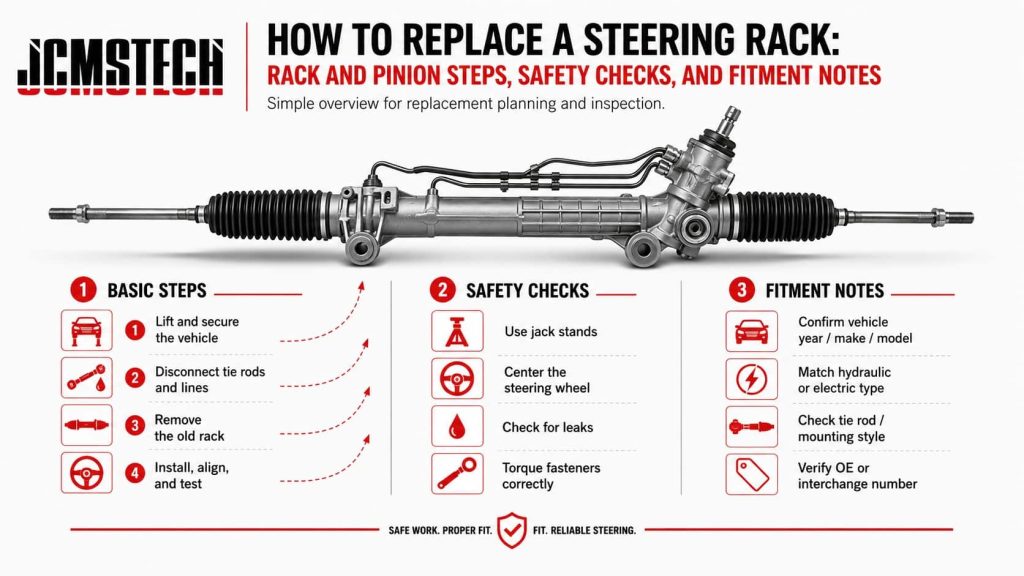
The silverado power steering not working problem is not random. It is a known, recurring defect rooted in electrical design flaws, not driver error. By checking the ground strap, testing battery health, and recalibrating sensors, you can avoid thousands in unnecessary repairs. Prioritize electrical diagnostics over part replacement, document every failure, and file reports with NHTSA to push for accountability. Your first step should be a visual inspection of the braided ground strap behind the passenger front wheel well, a fix that costs as little as $20 and takes under 30 minutes.