You press the gas expecting smoke and roaring tires, but your Chevy Silverado just hops, jerks, or stalls out. This frustrating experience is common for 2016–2020 Silverado owners because factory safety systems actively fight wheel spin. GM’s StabiliTrak and traction control are engineered to cut power the moment they detect slip, making a traditional burnout nearly impossible without the right workaround. The good news? With the correct button sequence, proper drive mode, and controlled throttle technique, you can override these systems and execute a clean burnout. This guide breaks down the exact steps to disable factory limits, protect your drivetrain, and spin the rear tires safely.
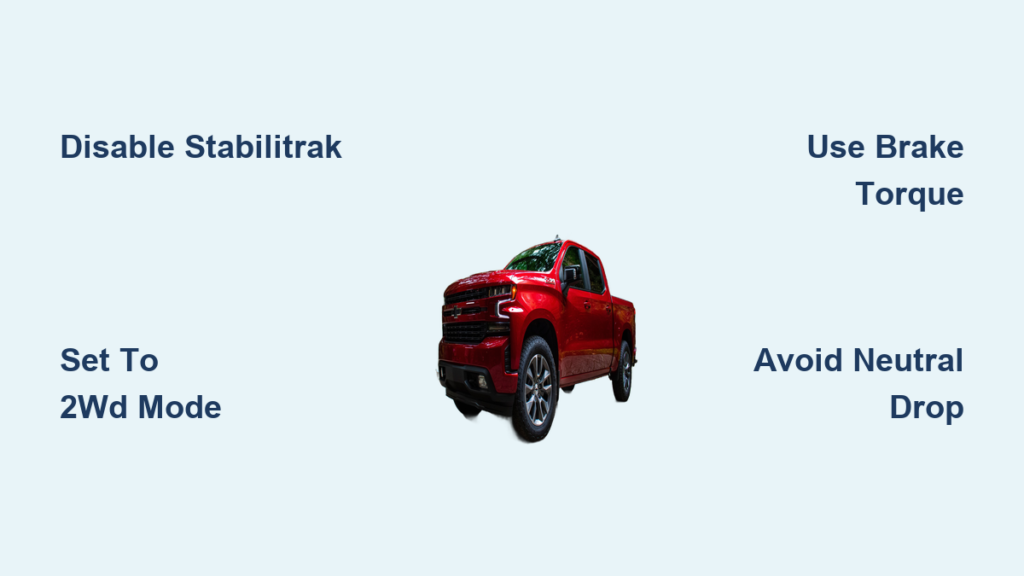
Disable StabiliTrak Completely
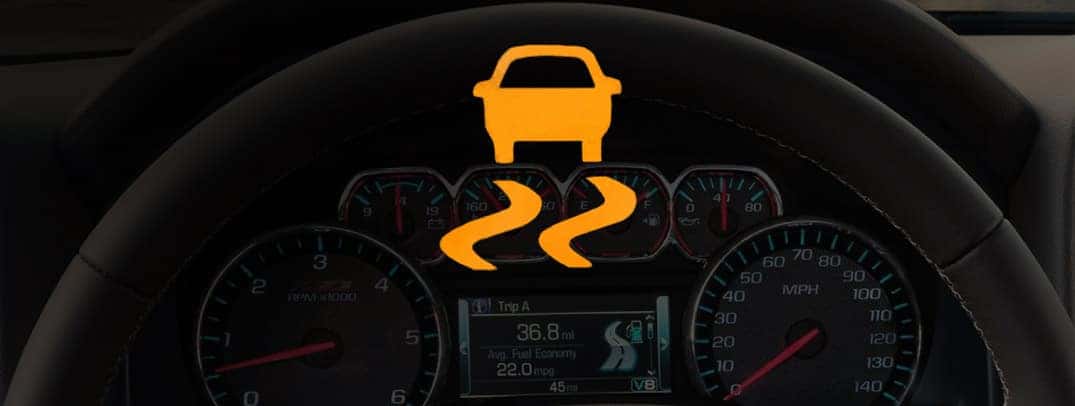
Hold the Traction Button 5–10 Seconds
A quick tap of the traction control button only shuts off part of the system. To fully deactivate both traction and stability control on a 2016+ Silverado, press and hold the button for 5 to 10 seconds. This extended hold is the only way to bypass both electronic layers that normally kill power during wheel spin.
Confirm Both Lights Are On
Watch your instrument cluster carefully. First, the Traction Control Off message will appear. Then, after a few seconds, the StabiliTrak Off or ESC indicator light must also illuminate. Only when both lights are visible are the stability systems fully disengaged. If only one light shows, the truck will still cut throttle or brake individual wheels mid-spin.
Why Full Disable Is Essential
Even trucks with cold air intakes, long tube headers, or custom tunes will stall or jerk during a burnout if StabiliTrak remains active. The system detects slip and responds by reducing fuel or applying brakes, killing your momentum instantly. Full disable guarantees uninterrupted power to the rear wheels.
Set Transfer Case to 2WD Only

Switch to Two-Wheel Drive
Before attempting any burnout, confirm your transfer case is locked into 2WD mode. Use the dial or switch on your center console to select 2WD. Never attempt a burnout in 4WD, 4HI, or AWD. Engaging all four wheels creates dangerous drivetrain binding, leading to violent shaking and potential transfer case or differential damage.
Check for Shaking During Attempt
If the truck shudders or shakes intensely when you apply throttle, it is a clear sign the system is still in 4WD or AWD. Stop immediately and verify your drive mode. Continuing under load in the wrong mode can cause catastrophic mechanical failure.
Why 2WD Prevents Damage
In 2WD, only the rear axle receives power. This isolates the spin to the rear tires, reducing stress on the front differential, driveshaft, and transfer case. It also allows the rear differential to manage torque more predictably, especially critical if your truck has a G80 locker.
Execute the Brake Torque Method
Use Left-Foot Braking Technique
Sit with your left foot firmly on the brake and your right foot ready on the gas. This setup lets you build engine RPM while keeping the truck stationary. Apply steady pressure to the brake, enough to prevent forward movement but not so much that the engine cannot build torque.
Gradually Increase Throttle
With the brake held, press the accelerator to around 2,500–3,500 RPM. Avoid redlining immediately. Let the drivetrain load up. You will feel the truck push against the brakes. This is called torque loading.
Release Brake Smoothly
Once the rear tires begin to squirm or chirp, smoothly lift off the brake. Do not slam the gas or jerk the brake. A controlled release allows the tires to break traction cleanly without causing a violent hop or stall.
Maintain Mid-Range RPM
After release, hold throttle at a steady RPM, usually between 3,000 and 4,500, where the engine produces peak torque. This sustains tire spin without over-revving or triggering failsafes. If the truck hesitates, you likely did not disable StabiliTrak fully.
Avoid the Neutral Drop Technique
Why It Is High Risk
The neutral drop, which involves revving in neutral then slamming into drive, is a dangerous shortcut. It sends a sudden shock load through the transmission and torque converter. On a Silverado, this often results in immediate transmission failure. Users report hearing a loud clunk followed by slipping gears or total loss of drive.
Real-World Consequences
This method commonly destroys input shafts, shreds clutches, or cracks transmission cases. Repair costs can exceed $3,000. Even high-performance builds are vulnerable. The risk far outweighs any perceived benefit.
Not Worth the Damage
Despite being popular in older muscle cars, modern automatics in trucks are not designed for this abuse. Stick to the brake torque method. It is safer, repeatable, and far less likely to leave you stranded.
Protect the G80 Locking Differential

Know If You Have a G80 Locker
Check your RPO code on the glovebox label. If you see G80, your truck has a clutch-based locking differential. These are common on LTZ, Z71, and trailering packages. The G80 locks automatically when it detects wheel speed differences.
Understand the Engagement Risk
During a burnout, one tire may spin faster than the other. When the speed difference hits the threshold, the G80 can lock suddenly, even if both tires are already spinning. This abrupt mechanical engagement under high load often leads to broken spider gears, seized clutches, or cracked differential housings.
Listen for the Boom
Users report a distinct sequence: vroom, then BOOM. The differential fails instantly, leaving a cloud of smoke and a dead rear end. Repair costs typically range from $800 to $1,500 for parts and labor.
Limit Burnout Duration
If you have a G80, keep burnouts short, under 10 seconds. Avoid repeated attempts back-to-back. Let the differential cool between runs. For frequent burnouts, consider upgrading to an aftermarket limited-slip or spool.
Troubleshoot Common Burnout Failures

Truck Bounces or Jerks
Cause: StabiliTrak is still active and cycling brake pressure.
Fix: Press and hold the traction button for at least 5 seconds until both Traction Control and StabiliTrak Off lights appear. Do not rely on a single tap.
Engine Stalls Mid-Spin
Cause: The stability system detects instability and cuts fuel.
Fix: Ensure the StabiliTrak Off light is on. If using a custom tune, verify it does not retain aggressive traction logic. Some tunes require specific burnout mode settings.
Tires Will Not Break Loose
Cause: Insufficient brake torque or low-grip surface.
Fix: Increase throttle to 3,000+ RPM while holding the brake. Try a slightly damp or dusty surface, as completely dry pavement offers too much grip. Avoid grass or gravel.
No Power Despite Modifications
Cause: Even with headers, cold air intakes, or tunes, factory safety maps override performance gains.
Fix: Reconfirm full StabiliTrak disable. If tuning, ensure the tune disables ESC at wide-open throttle.
Truck Shakes Violently
Cause: Transfer case is in 4WD or AWD mode.
Fix: Switch to 2WD before retrying. Double-check the drive mode indicator on the dash.
Reduce Drivetrain and Tire Wear
Expect Rapid Tire Degradation
Burnouts consume rubber fast. One full spin can wear down a set of rear tires significantly. Estimates suggest $400 in tire damage per session if repeated often. Use older or dedicated tires for practice.
Monitor Transmission Temperature
Repeated attempts heat transmission fluid quickly. Overheating leads to slippage and internal damage. Wait 5–10 minutes between burnouts to allow cooling. Consider an auxiliary transmission cooler if you plan frequent use.
Inspect U-Joints and Axles
After a burnout, check for vibrations or clunking during acceleration. Sudden torque can damage worn U-joints or axle shafts. If your truck has high mileage, avoid aggressive spins.
Follow Safety and Legal Guidelines
Only Perform in Legal Areas
Burnouts are illegal on public roads in most states and can result in fines, license suspension, or impoundment. Always use closed tracks, private property, or designated drag strips.
Clear the Surroundings
Ensure the area is free of people, debris, and flammable materials. Tire smoke reduces visibility, and flying rubber chunks can cause injury.
Wear Seatbelts and Use Caution
Even during a short burnout, loss of control is possible. Keep both hands on the wheel, engage the parking brake if needed, and avoid excessive duration.
Understand Warranty Implications
Repeated burnouts may void powertrain warranty coverage. GM can detect abnormal wear patterns during service. If under warranty, avoid high-stress maneuvers.
Frequently Asked Questions About Burnouts in a Chevy Silverado
How long do you hold the traction control button to do a burnout in a Silverado?
Press and hold the traction control button for 5 to 10 seconds. A single tap only disables part of the system. You must wait until both the Traction Control Off and StabiliTrak Off lights appear on the dash.
Can you do a burnout in a Silverado with StabiliTrak on?
No. StabiliTrak will detect wheel slip and immediately cut throttle or apply brakes to individual wheels. This causes the truck to jerk, bounce, or stall. Full disable is required for any sustained tire spin.
Will doing a burnout damage a Silverado transmission?
The brake torque method is generally safe for the transmission when done occasionally. However, the neutral drop method can cause immediate transmission failure, with repair costs exceeding $3,000. Repeated burnouts also increase wear on clutches and bands.
What does the G80 differential do during a burnout?
The G80 locking differential can engage suddenly when it detects a wheel speed difference between the two rear tires. This abrupt lock-up under load can break spider gears or crack the differential housing, often described as a “vroom followed by a boom.”
Is it illegal to do a burnout in a Chevy Silverado?
Yes, on public roads in most jurisdictions. Burnouts constitute reckless driving and can result in heavy fines, license suspension, or vehicle impoundment. Always perform burnouts on private property or closed tracks.
Do performance modifications like tunes or cold air intakes help with burnouts?
Modifications alone are not enough. Factory electronic safety maps override performance gains unless StabiliTrak is fully disabled. Some custom tunes include a burnout mode or line-lock feature that makes the process easier.
Final Thoughts on Burning Out in a Chevy Silverado
Performing a burnout in a modern Chevy Silverado requires defeating factory safety systems, not just applying brute force. The three critical steps are fully disabling StabiliTrak with a 5–10 second button hold, setting the truck to 2WD, and using a smooth brake torque technique. Avoid the neutral drop at all costs, protect your G80 differential with short spins, and always prioritize safety and legality. With the right setup, your Silverado can lay down smoke without destroying the transmission.