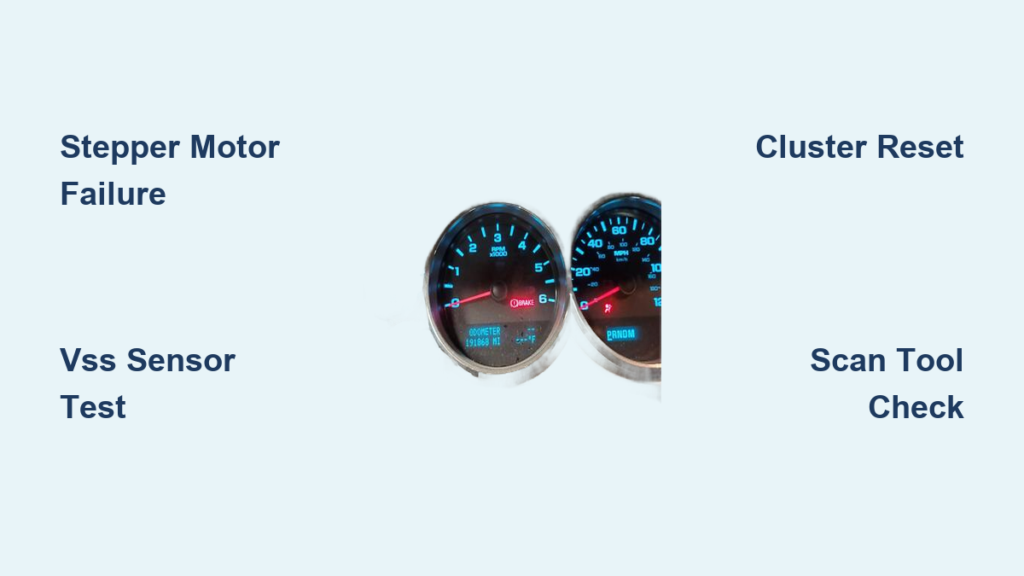
A dead or erratic speedometer on your Chevy Silverado is more than an inconvenience. It can hide transmission problems, trigger limp mode, and leave you guessing your actual speed on the highway. The issue is widespread across 1999 to 2012 Silverado models, and it almost always traces back to one of three culprits: failed stepper motors in the instrument cluster, a bad Vehicle Speed Sensor (VSS), or Powertrain Control Module (PCM) errors. Most owners spend hundreds at dealerships for fixes that cost under $120 with the right approach.
This guide covers how to pinpoint your exact failure, test the components involved, and choose the best repair path. Whether you prefer a DIY solder job, a mail-in service, or a professional reflash, you will find a clear roadmap here.
Identify Your Speedometer Symptom First

Frozen at Zero MPH
A speedometer stuck at 0 mph while driving, combined with an odometer that has stopped updating, usually points to a problem downstream of the speed sensor. The signal is either not reaching the cluster or the cluster cannot process it. In 1999–2007 Silverados, a frozen odometer is a strong indicator of instrument cluster failure. Always rule out the PCM and wiring before condemning the cluster.
Pegged at 80 MPH or Higher
When the needle pins at a high reading while the truck sits still, suspect a failing oil pressure sending unit, especially if the oil pressure gauge is also pegged or reading zero. The sender is located on the back of the intake manifold and can short internally, sending voltage into shared circuits that disrupt the speedometer. Replacing the sender with a 27mm deep socket often resolves both gauge issues at once.
Needle Fluttering or Sticking
A needle that jumps, sticks, or fluctuates randomly is the textbook sign of stepper motor failure. These tiny motors control needle movement and wear out prematurely in 1999–2007 clusters. They may work intermittently, especially after temperature changes or bumps. If your fuel and temperature gauges also act up, the cluster is almost certainly the root cause.
Rule Out Transmission Shifting Problems
Truck Stuck in 1st or 2nd Gear
If your Silverado won’t shift past first or second gear and the PRNDL display is blank, the speedometer may be a secondary symptom. The transmission relies on vehicle speed data to decide shift points. When the PCM loses valid input, it defaults to limp mode. This does not always mean the PCM is bad, so check the VSS and wiring first.
Manual Shifts Work Normally
Use a scan tool to manually command gears 1 through 4. If the transmission shifts perfectly under manual control, the hydraulics and mechanical components are fine. This isolates the failure to the PCM’s logic or sensor input processing. If the scan tool shows no vehicle speed, the problem is upstream of the cluster.
Start with Simple Fixes Before Disassembly
Reset with a Battery Disconnect
Disconnect the negative battery terminal for 30 minutes. This resets the PCM and TCCM and can clear temporary glitches, especially after tire or rim changes. Reconnect and test drive. If the speedometer works again, the issue was likely a software hiccup. If not, move to deeper diagnostics.
Try the Magnet Trick
Some owners report temporary restoration by holding a strong magnet near the cluster. This can nudge a stuck stepper motor or reset magnetic components. While not a permanent fix, it supports a mechanical failure inside the cluster rather than a wiring or sensor problem.
Inspect Fuses and Connectors
Check All Relevant Fuses
Locate the underhood and interior fuse boxes and inspect fuses labeled “Cluster,” “PCM,” “Instrument Panel,” or “Speed Control.” A blown fuse usually kills the entire cluster, but loose or corroded fuse contacts can cause intermittent failures. Use a multimeter to verify power at each fuse slot.
Clean the Cluster Connectors
Remove the instrument cluster (steps below) and clean all connector pins with 91% isopropyl alcohol or MAF sensor cleaner. Corrosion or dirt on the contacts can block signal transmission, mimicking a dead cluster. Apply dielectric grease when reassembling to prevent future corrosion.
Test the Vehicle Speed Sensor

Locate the VSS on the Transmission
The VSS is typically mounted on the driver’s side of the transmission or near the transfer case. Refer to your model year’s service diagram for exact placement. It is a small cylindrical sensor with a two- or three-wire connector.
Measure AC Voltage Output
Lift the rear wheels safely on jack stands, rotate them by hand or with a helper, and measure AC voltage at the VSS connector using a multimeter. Voltage should increase with wheel speed (typically 0.5–5V AC). No voltage means the sensor is dead or the wiring is broken.
Replace the VSS Only If Confirmed Faulty
Install a new OEM-grade VSS if testing shows no signal. However, do not stop here. If the speedometer still does not work after replacement, the problem is likely in the wiring, PCM, or cluster. Many owners replace the VSS unnecessarily and waste time and money.
Use a Scan Tool to Read Live Data

Check Vehicle Speed in the Data Stream
Connect an OBD2 scan tool capable of reading live data. Look for a “Vehicle Speed” parameter in the PCM data stream. If the tool shows correct speed (e.g., 30 mph while driving) but your gauge shows zero, the cluster is faulty. If the scan tool shows 0 mph, the issue is before the PCM, in the sensor, wiring, or PCM itself.
Monitor TFP and TR Switch Readings
Check the Transmission Fluid Pressure (TFP) and Transmission Range (TR) switch values. If they do not align with gear selection or respond slowly, it may indicate PCM processing lag or communication errors across the CAN bus network.
Diagnose Wiring Problems
Test VSS Signal Wire Continuity
Trace the dark green/white wire from the VSS to PCM connector C1, pin 20. Use a multimeter to test for continuity. Any break or high resistance means a damaged wire, which is common near the transfer case where harnesses rub or corrode.
Test CAN Bus Resistance
The CAN bus (green/yellow twisted pair) carries data between modules. Unplug the PCM, TCCM, and BCM, then measure resistance across the pair. It should read approximately 60 ohms. A reading of 0 or infinite ohms indicates a short or open circuit in the network.
Verify Power and Ground at the TCCM
At the TCCM connector, check the following:
– Pink wire: Should have 12V ignition power
– Orange wire: Constant battery voltage
– Black wire: Solid ground (0 ohms to chassis)
Loss of power or ground can disrupt speed signal sharing between modules.
Confirm Stepper Motor Failure
Watch the Power-Up Sweep
When you turn the key to “ON,” the instrument cluster performs a self-test sweep. All needles should move from 0 to max and back. If they do, power is reaching the cluster. If the speedometer still does not work during driving, the stepper motor or circuit board is likely faulty.
Look for Multiple Gauge Failures
If the speedometer, tachometer, fuel, and temperature gauges are all erratic or frozen, it is almost certainly a cluster-wide issue. The stepper motors in 1999–2007 GM clusters are known for premature wear. Replacement or repair is needed.
Repair the Instrument Cluster Yourself
Remove the Cluster (2003–2012 Models)
- Set the parking brake and tilt the steering wheel down
- Shift into 1st gear for easier trim access
- Pull off the dash trim around the cluster (clips release outward)
- Remove four 7mm screws holding the cluster
- Gently pull the cluster out and disconnect wiring harnesses
Label connectors if needed. Handle gently, as older plastic is brittle.
Replace the Stepper Motors
For skilled users with soldering experience:
1. Open the cluster housing (screws on back)
2. Locate the speedometer stepper motor (small silver cylinder)
3. Desolder the old motor using a soldering iron
4. Solder in a new OEM-grade motor
5. Reassemble and test
Pro Tip: Watch YouTube tutorials for your exact model year. Many include calibration steps if the needle does not zero correctly.
Upgrade to LED Backlighting
While the cluster is out, replace dim or yellowed bulbs with LEDs. This improves nighttime visibility and lasts decades. Most repair services offer this as an add-on for $20–$40.
Use a Mail-In Repair Service
Choose a Reputable Provider
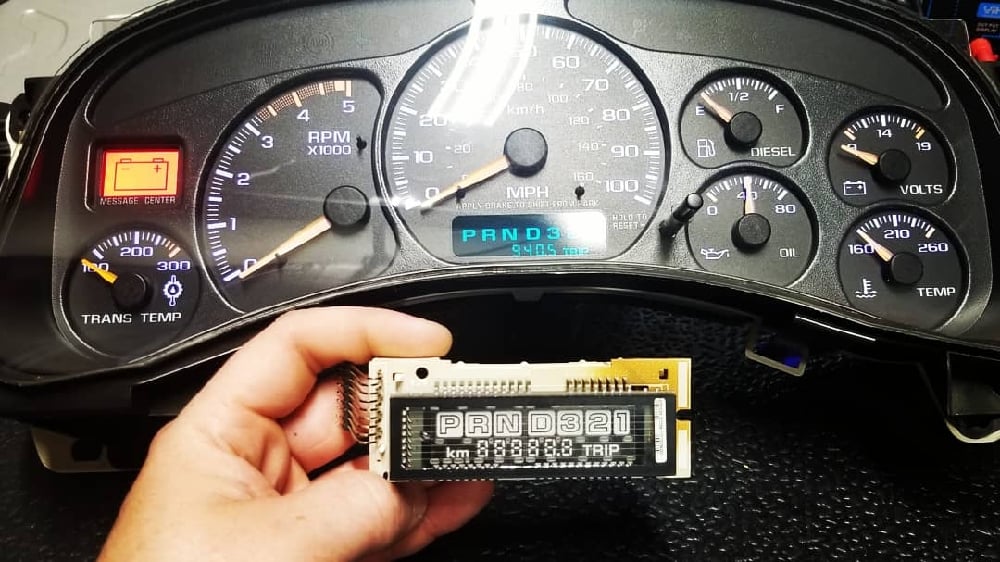
If soldering is not for you, mail-in repair services are a smart option. They specialize in GM clusters and typically offer:
– Lifetime warranty
– 24-hour turnaround
– Odometer correction if frozen
– LED upgrades and calibration
Average cost: $89–$116 for standard repair on 1999–2007 models.
Ship Your Cluster Properly
Follow these shipping guidelines:
– Pack in a sturdy box with padding
– Include order number and contact info
– Use insured, trackable shipping
– Remove the cluster carefully to avoid damage
Most services test, repair, and return via priority mail.
Address PCM or Software Issues

Reprogram the PCM
Check for Technical Service Bulletins (TSBs) related to your model year. Some PCM software versions have bugs that prevent proper speed signal processing. A dealer or tuner can reflash the PCM with updated firmware, often fixing limp mode and speedometer failure without hardware changes.
Test with a Known-Good PCM
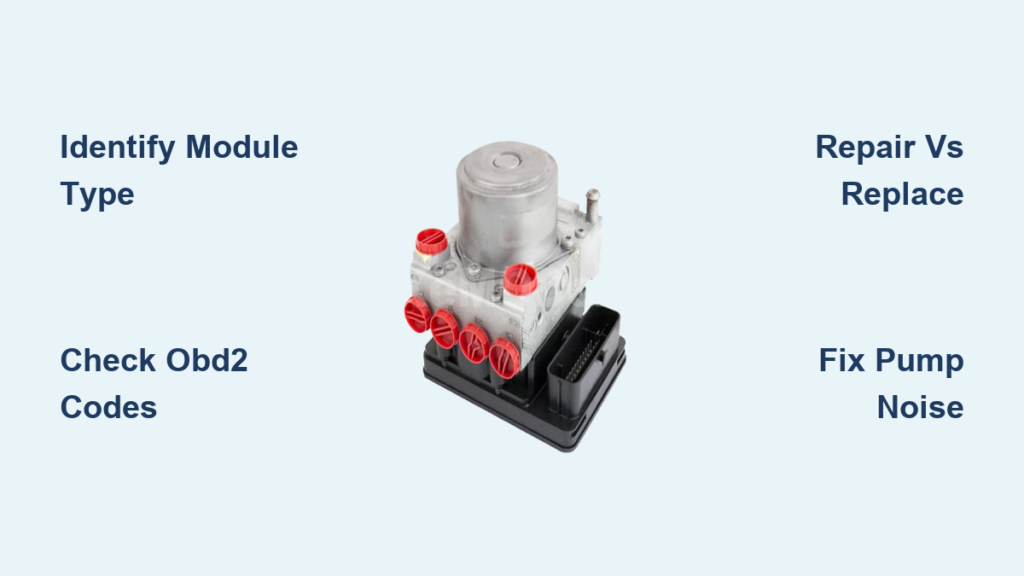
If all sensors and wiring check out, borrow or buy a used PCM from a matching donor truck. Install it and test. If the speedometer works, your original PCM is faulty. Consider refurbished or remanufactured units with warranty.
Fix the Oil Pressure Sending Unit
Replace If Both Gauges Are Pegged
If both the speedometer and oil pressure gauge are stuck high, replace the oil pressure sending unit. It is located on the rear of the engine block, near the distributor (if equipped). Use a 27mm deep socket and replace by feel, with no need to remove the intake.
Confirm with a Multimeter
Test the sender’s resistance or voltage output. A shorted sender can backfeed voltage into shared circuits, disrupting the speedometer. Replacement is inexpensive and quick.
Prevent Future Speedometer Failures
Recalibrate After Tire Changes
If you have installed larger tires or rims, your speedometer will read inaccurately even if repaired. The PCM uses factory tire diameter to calculate speed. A tune or reprogramming is required to correct the reading.
Apply Dielectric Grease
During cluster service, apply dielectric grease to all connectors. This prevents moisture ingress and corrosion, extending connector life.
Repair Early
At the first sign of sticking or fluttering, address the cluster. Waiting can lead to complete failure while driving, leaving you blind to your speed.
Frequently Asked Questions About Chevy Silverado Speedometer Fix
Why is my Chevy Silverado speedometer not working?
The most common cause is failed stepper motors in the instrument cluster, especially in 1999–2007 models. Other causes include a faulty Vehicle Speed Sensor (VSS), wiring damage, or PCM software errors. Start by checking for a frozen odometer, which strongly suggests cluster failure.
Can I drive my Silverado with a broken speedometer?
You can drive short distances, but it is unsafe and often illegal. You may also experience transmission limp mode, where the truck refuses to shift past 1st or 2nd gear. Address the issue as soon as possible to avoid further drivability problems.
How much does it cost to fix a Silverado speedometer?
DIY stepper motor replacement costs around $10–$20 per motor. Mail-in repair services charge $89–$116 for standard repairs with a lifetime warranty. Dealership cluster replacement often exceeds $400–$600, making mail-in services the best value.
Will a bad speed sensor cause transmission problems?
Yes. The transmission relies on the VSS signal to determine shift points. A bad sensor or wiring can trigger limp mode, preventing automatic shifts past 1st or 2nd gear. Always test the VSS and wiring before assuming the PCM is faulty.
How do I know if my stepper motor is bad?
Watch for fluttering, sticking, or erratic needle movement. If the cluster performs a full sweep on power-up but the speedometer does not work while driving, the stepper motor is likely the culprit. Multiple gauge failures (fuel, temp, tach) point to the same issue.
Can larger tires cause speedometer problems?
Yes. Larger tires change the effective wheel diameter, which the PCM uses to calculate speed. Even after repairing the cluster, you may need a PCM tune or reprogramming to correct the speedometer reading for non-stock tire sizes.
Key Takeaways for Fixing Your Chevy Silverado Speedometer
A non-working Chevy Silverado speedometer is usually fixable without breaking the bank. Start with a battery reset and scan tool check to narrow down the failure. If the PCM sees speed but the gauge does not, the cluster is the issue. Repair it via DIY soldering or a mail-in service for under $120. If no speed data is present, test the VSS and wiring before suspecting the PCM. In cases with transmission issues, suspect PCM software bugs and check for relevant TSBs.
Address the problem early to keep your Silverado safe and shifting smoothly. For most owners, a mail-in cluster repair with a lifetime warranty offers the best balance of cost, convenience, and reliability.