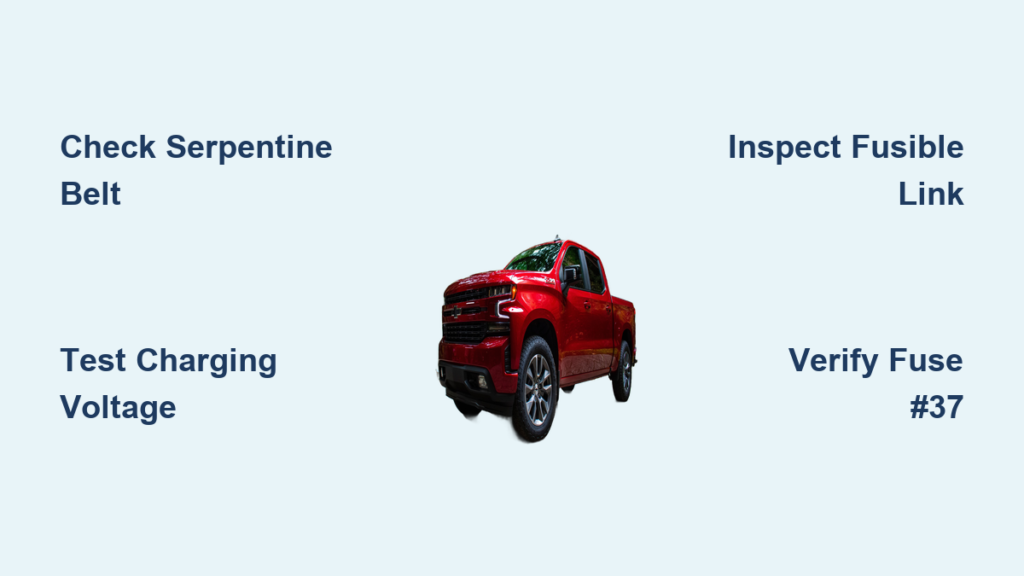
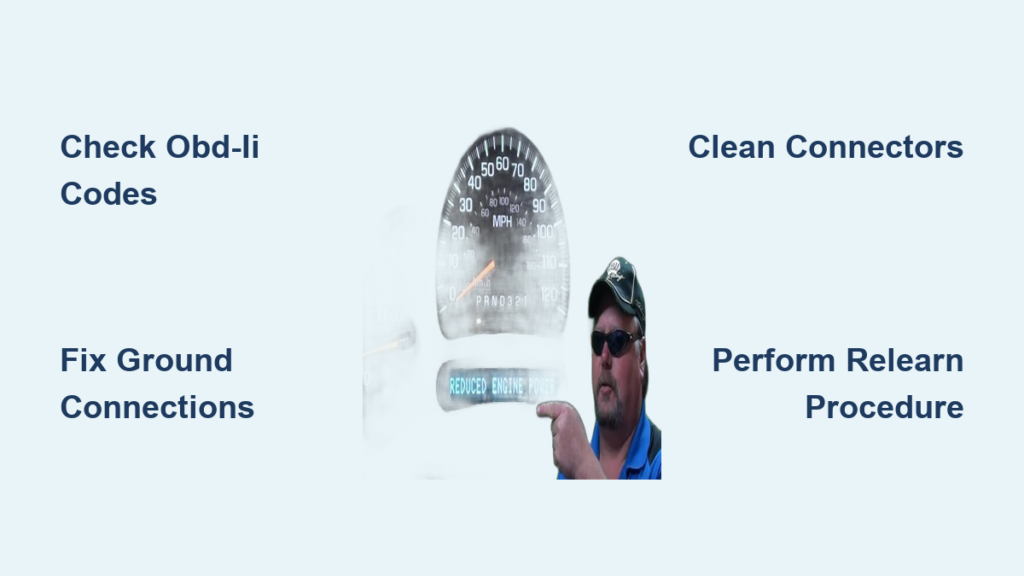
You’re cruising at highway speed when your Chevy Silverado suddenly loses power. The “Reduced Engine Power” warning flashes on the dash, acceleration stalls, and your truck limps along at 35–47 mph. This frustrating safety feature affects thousands of Silverado owners, especially those with 2003–2007 models, though newer 2018 and 2022 trucks also report similar issues. The mode is designed to protect your engine, but the underlying causes range from simple fixes to complex electrical faults.
The Reduced Engine Power (REP) mode activates when the Powertrain Control Module (PCM) detects a critical fault in the throttle, sensor, or electrical system. Common culprits include bad grounds, throttle body problems, sensor failures, and even transmission faults in newer trucks. Many mechanics jump straight to replacing parts like the throttle body or TPS sensor, only to see the problem return weeks later. The real issue is often electrical integrity, not component failure.
In this guide, you’ll learn how to diagnose and fix Chevy Silverado reduced engine power issues using proven methods. We’ll cover diagnostic codes, critical grounding points, moisture-related faults, sensor sync issues, and relearn procedures. You’ll also discover common mistakes to avoid and learn cost-effective fixes that actually work.
Decode Key Diagnostic Trouble Codes
Identify Common REP-Related DTCs
Your first step when Reduced Engine Power strikes is scanning for Diagnostic Trouble Codes (DTCs) with an OBD-II reader. These codes are your roadmap to the real issue. The most frequent codes in Chevy Silverados include:
- P1516 – Throttle Actuator Control (TAC) module communication fault
- P0120 / P0121 / P0122 / P0124 – Throttle Position Sensor (TPS) circuit issues
- P0220 – TPS “B” circuit malfunction
- P2135 – TPS “A”/”B” voltage correlation failure
- P1518 – Reduced Engine Power mode active
Seeing multiple codes at once, like P0120, P2135, and P1516, is a major red flag. It usually points to a system-wide electrical problem, not a single faulty sensor. Jumping to replace sensors without checking grounding or wiring often leads to recurring issues and wasted money.
Understand What P2135 Really Means
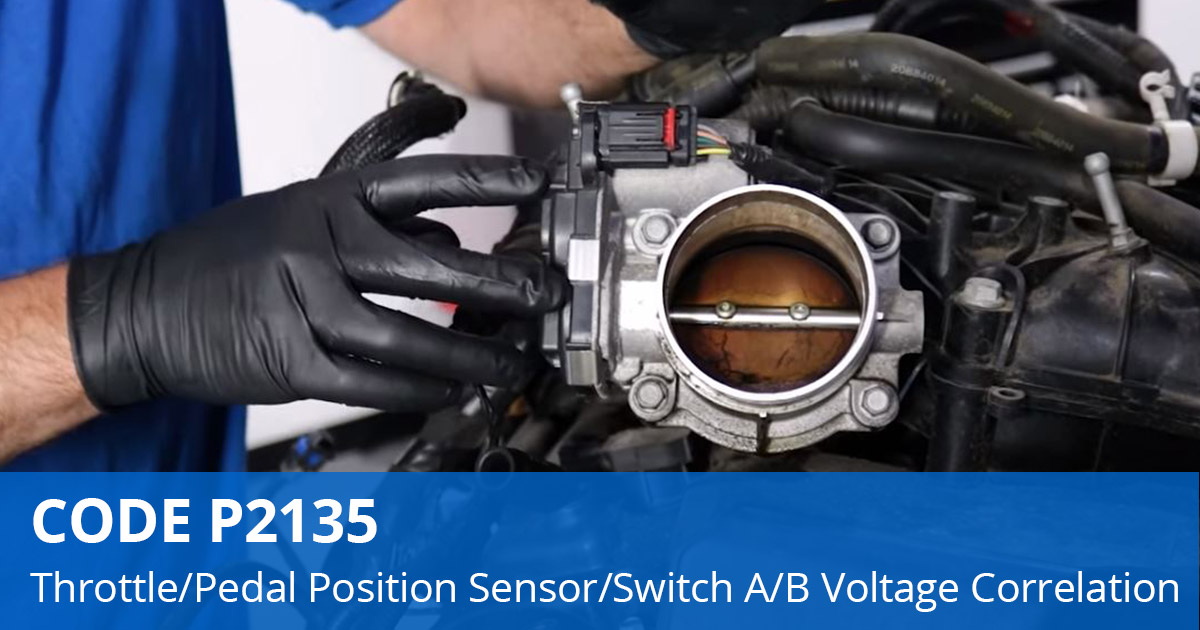
The P2135 code is especially telling. It means the two internal sensors in the throttle or pedal assembly aren’t matching their signals. This redundancy exists for safety. If one sensor drifts, the PCM detects a mismatch and triggers limp mode.
But here’s the catch: P2135 often isn’t caused by a bad sensor. It’s usually due to poor electrical grounding, moisture in connectors, or a mismatched accelerator pedal and TAC module after partial replacement. If you replaced the throttle body or pedal and got P2135, the parts may not be synchronized. The voltage curves must match, or the PCM sees a fault.
Fix Critical Grounding Failures
Locate and Inspect Key Ground Points
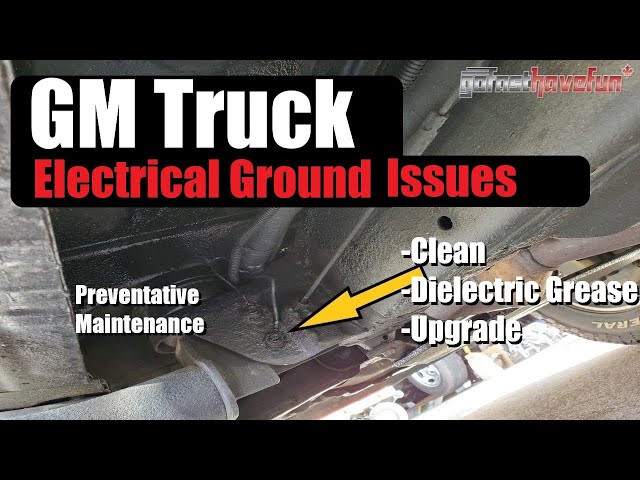
Electrical grounding is the most overlooked yet most critical fix for persistent REP issues. Factory ground connections on 2003–2007 Silverados are prone to corrosion, loose bolts, and defective crimps.
Check these three critical ground locations:
- Driver’s Side Frame Ground – Under the door on the frame rail, exposed to salt and water.
- Rear Engine Block Ground (Passenger Side) – 13mm bolt near the firewall.
- Rear Engine Block Ground (Driver Side) – 15mm bolt on the back of the cylinder head.
Pro Tip: Accessing the rear engine grounds often requires removing the intake manifold. While you’re in there, replace intake gaskets and knock sensors. They’re prone to failure and located right underneath. Torque knock sensors to exactly 15 lb-ft to avoid damage.
Repair Crimped Terminal Defects
A widespread factory flaw is the crimped-over-plastic terminal. The ring terminal is crimped not on the copper wire but on the insulation. This creates a high-resistance connection that fails under heat or humidity.
Fix it permanently with these steps:
- Disconnect both battery terminals.
- Remove the ground bolt.
- Cut off the factory ring terminal.
- Strip back the wire to expose fresh copper.
- Install a new, high-quality ring terminal.
- Solder the connection rather than just crimping.
- Seal with heat-shrink tubing.
- Clean the engine block contact point to bare metal with sandpaper.
- Apply dielectric grease to the metal surface and inside the terminal.
- Reinstall and torque to spec.
This repair solves over 60% of stubborn REP cases.
Address Moisture and Connector Issues
Clean Contaminated Connectors Properly
Many REP issues appear after rain, car washes, or high humidity. Some owners even report AM radio static when the problem occurs, indicating electrical interference.
Common trouble spots include the throttle body connector, accelerator pedal harness, TAC module plug, and PCM connections.
Do NOT slather dielectric grease on signal pins. While it’s great for sealing ground connections, silicone-based grease attracts moisture and can cause cross-talk between pins on sensitive circuits.
Follow this correct cleaning procedure:
- Unplug suspect connectors.
- Spray with electrical parts cleaner, not WD-40.
- Blow dry with compressed air.
- Inspect for corrosion or burnt pins.
- Reconnect without applying grease inside signal connectors.
Modify the PCM Ground for Persistent Cases
If REP keeps returning, the PCM’s ground path may be weak. The PCM sits on the driver’s side fender and uses a black/white wire (Pin #1 on the blue plug) as its ground.
Add an auxiliary ground with these steps:
- Locate the blue PCM plug.
- Find Pin #1 (Black/White wire).
- Strip a small section of insulation 6 inches from the plug.
- Solder a new 14-gauge wire to it.
- Run the wire to the main engine ground lug on the firewall.
- Secure and grease the connection.
This creates a redundant ground path and often eliminates intermittent issues.
Replace Faulty Throttle and Pedal Assemblies
Clean or Replace the Throttle Body
A dirty throttle body is a common cause of REP, especially in trucks with over 100,000 miles. Carbon buildup causes the throttle plate to stick, leading to erratic airflow and sensor readings.
Follow these cleaning steps:
- Remove the air intake hose.
- Spray throttle body cleaner on a rag, never directly into the throttle.
- Wipe the bore and throttle plate.
- Reinstall and perform a relearn procedure.
If cleaning doesn’t help, replace the throttle body. Use OEM (AC Delco) parts, as aftermarket units may not calibrate correctly. Dealer replacement averages around $260 for parts, labor, reprogram, and idle reset.
Replace the Entire Accelerator Pedal Assembly
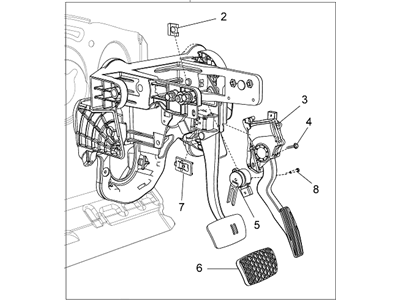
The accelerator pedal contains dual TPS sensors. Replacing just the sensor or using a mismatched unit can cause P2135.
Best practice recommendations:
- Replace the entire pedal assembly, not just the sensor.
- If replacing, also consider the TAC module for compatibility.
- Source a matched pedal and TAC module set from a junkyard (same model year) for as low as $30.
This avoids sync issues and is often more reliable than new aftermarket parts.
Perform Critical Relearn Procedures
Execute the Throttle Relearn Sequence
After replacing the battery, throttle body, or TPS, the PCM needs to relearn the idle and throttle position. Skipping this causes high idle, surging, or REP return.
Follow this manual relearn procedure:
- Turn key to ON (don’t start) and wait 5 seconds.
- Turn key OFF and wait 5 seconds.
- Repeat steps 1–2 two more times.
- On the third ON cycle, hold for 15 seconds.
- Turn key OFF.
- Start the engine.
- Let it idle until coolant reaches 185°F or higher. Do not touch the gas pedal.
- Turn A/C ON for 10 seconds while in Park.
- Shift to Drive, hold brake, keep A/C ON for 10 seconds.
- Keep in Drive, turn A/C OFF for 10 seconds.
- Shift to Park, turn engine OFF.
- Restart and test drive.
This sequence resets the PCM’s adaptive memory.
Diagnose Mechanical and Fuel System Issues
Check the Mass Air Flow Sensor
A dirty or failing MAF sensor sends incorrect airflow data, causing lean or rich conditions and REP.
Fix the issue by:
- Spraying with MAF-specific cleaner without touching the wires.
- Letting it dry completely.
- Replacing if unresponsive, at a cost of $250–$500.
Rule Out Fuel System Problems
Bad gasoline, clogged injectors, or failing fuel pumps can trigger REP.
Watch for these symptoms:
- Rough idle
- Stalling
- Black smoke (rich condition)
- Hard starting
Try these solutions:
- Add fuel injector cleaner and octane booster.
- Fill with 93 octane Top Tier gasoline.
- Replace the fuel pump if pressure is low ($400–$1,000).
- Inspect the fuel pressure regulator for leaks or fuel smell.
Inspect the Catalytic Converter
A clogged catalytic converter creates backpressure, causing severe power loss and REP.
Look for these signs:
- Rotten egg smell
- Difficulty starting
- Engine hesitation
Replacement costs around $2,000, but check for warranty coverage. Some GM models have special policies that may apply.
Handle Transmission-Related REP in Newer Models
Diagnose 2018+ Silverado Transmission Faults
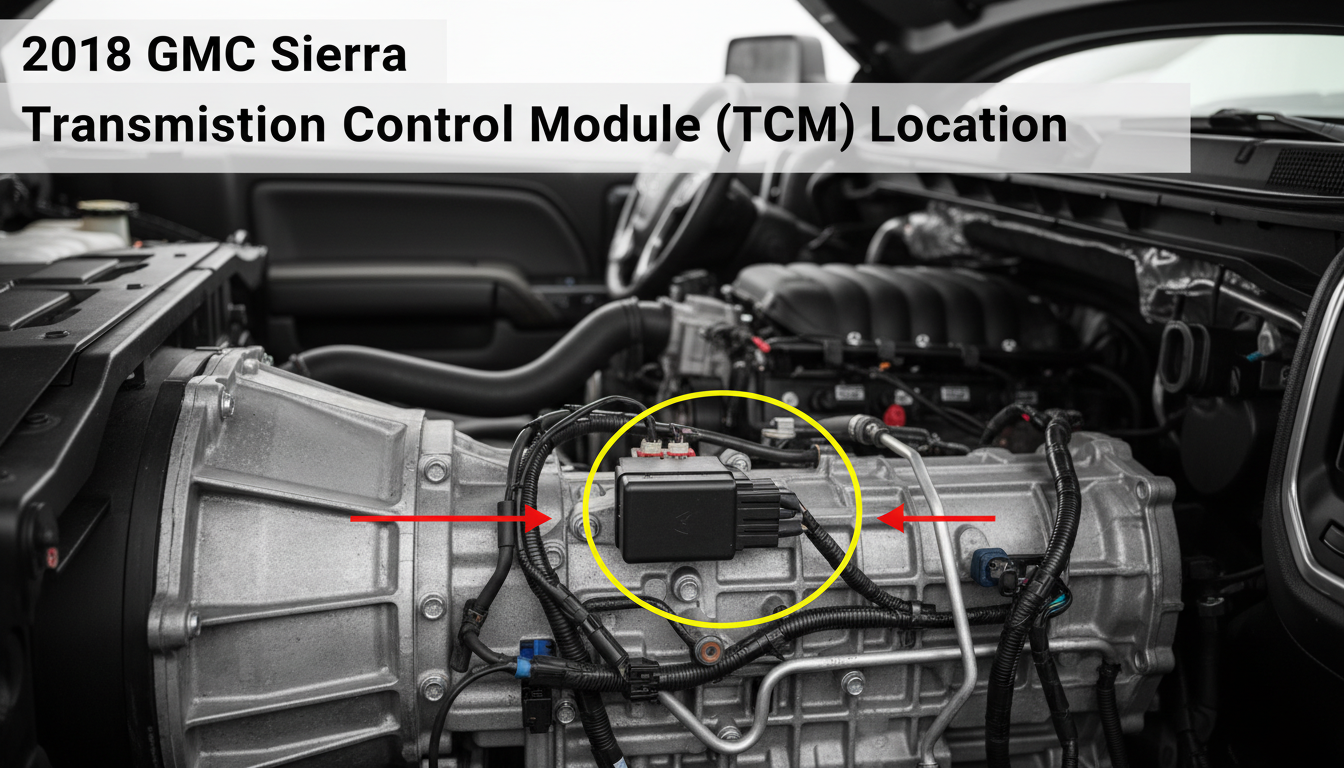
In newer Silverados (2018, 2022), REP warnings are increasingly linked to transmission issues rather than engine sensors.
Watch for these symptoms:
- RPM surges
- Delayed or harsh shifting
- REP light with no engine codes
These cases often require dealer-level diagnostics. In some instances, the torque converter or transmission control module must be replaced, sometimes under warranty.
Pro Tip: If your newer Silverado enters REP mode and shifting feels off, get it to a GM dealer. They have access to Technical Service Bulletins (TSBs) and software updates not available to independent shops.
Prevent Future Reduced Engine Power Events
Follow Proven Maintenance Habits
Prevention beats repair. Avoid future REP issues with these habits:
- Use Top Tier gasoline, which contains better detergents to prevent injector and throttle coking.
- Change air filters regularly, since a clogged filter disrupts air-fuel balance.
- Inspect wiring harnesses for rodent damage, especially near the power box and firewall.
- Keep battery terminals clean, as weak voltage causes sensor errors.
- Check fluid levels, since low oil or coolant can trigger protective modes.
Avoid Common DIY Mistakes
Steer clear of these pitfalls:
- Don’t shotgun parts by replacing sensors one by one without diagnosis.
- Don’t ignore grounding, which is the root cause in most chronic cases.
- Don’t over-grease connectors. Dielectric grease belongs on exteriors and grounds, not signal pins.
- Don’t skip relearns, as new parts need PCM adaptation.
Frequently Asked Questions About Chevy Silverado Reduced Engine Power
What Does Reduced Engine Power Mean on a Chevy Silverado?
Reduced Engine Power is a protective limp mode activated by the PCM when it detects a critical fault. The truck limits speed to 35–47 mph and restricts throttle response to prevent engine damage or unsafe operation.
Can I Drive My Silverado with Reduced Engine Power?
You can drive short distances to reach a safe location or nearby shop. However, avoid highways and long trips. The truck lacks power for merging or evasive maneuvers, and ignoring the warning can lead to catastrophic engine failure.
What Is the Most Common Cause of Reduced Engine Power?
Electrical grounding failures are the most common cause, especially in 2003–2007 models. Factory ground connections corrode or have defective crimps that create high resistance. Repairing grounds solves over 60% of persistent REP cases.
How Much Does It Cost to Fix Reduced Engine Power?
Costs vary widely. Throttle body cleaning runs $150–$300. MAF sensor replacement costs $250–$500. A full dealer diagnostic with basic repairs averages around $260. Catalytic converter replacement can reach $2,000.
Will Disconnecting the Battery Reset Reduced Engine Power?
Disconnecting the battery may temporarily clear the warning, but it won’t fix the underlying problem. After reconnection, you’ll likely need to perform a throttle relearn procedure, and the issue will return if the root cause isn’t addressed.
Why Does My Silverado Go into Reduced Engine Power After It Rains?
Moisture intrusion into electrical connectors is the likely culprit. Water causes cross-talk between signal pins, especially if dielectric grease was incorrectly applied. Clean connectors with electrical parts cleaner and avoid greasing signal pins.
Key Takeaways for Fixing Chevy Silverado Reduced Engine Power
Fixing Chevy Silverado reduced engine power comes down to systematic diagnosis. Start with OBD-II codes, but don’t stop there. Over 70% of persistent cases trace back to faulty grounds, moisture intrusion, or sensor synchronization, not bad parts. By addressing factory crimp defects, cleaning connectors properly, and performing relearn procedures, you can solve the problem for good, often for less than $100 in parts.
Your next step: grab an OBD-II scanner, pull your codes, and inspect the three critical ground points before replacing any sensors. If you’re still stuck, visit a shop with GM-specific tools and request a ground integrity check, PCM voltage test, and TAC module sync verification. With this knowledge, you’re no longer at the mercy of limp mode.