You shift into reverse, press the gas, and nothing happens. No movement, no noise, just silence while forward gears work perfectly. This frustrating problem affects Chevy Silverado owners across all model years and drivetrain configurations, making it one of the most reported transmission complaints in online forums and repair shops.
The root cause of Chevy Silverado reverse not working varies significantly based on your truck’s year, transmission type, and whether it’s 2WD or 4WD. For older models with the 4L60E transmission, the issue often traces back to a broken sunshell, a known weak point that kills reverse and second gear. In newer 2024+ models, software glitches and valve body defects are increasingly common, even at low mileage. For 4WD trucks, the problem may not be the transmission at all, but a faulty transfer case encoder motor or mode selection quirk.
This guide delivers a clear breakdown of what causes reverse failure, how to diagnose it accurately, and what fixes actually work. Whether you’re dealing with a 2003 Silverado or a brand-new Duramax, you’ll learn how to pinpoint the issue and avoid costly guesswork.
Diagnose Reverse Gear Failure Fast
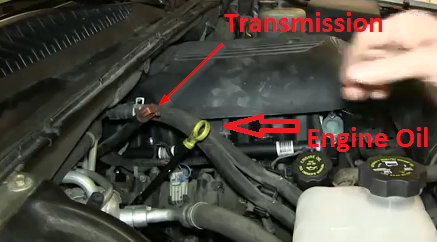
Check Fluid Level and Condition
Start simple. Low or degraded transmission fluid is a leading cause of hydraulic pressure loss and often the first sign of trouble.
- Park on level ground with the engine running and transmission warmed up
- Locate the dipstick on the driver’s side rear of the engine bay
- Pull, wipe, reinsert, and check the level
What to look for:
– Low fluid? Top it off and retest. A sudden drop indicates a leak.
– Burnt smell or dark color? Suggests clutch wear or overheating.
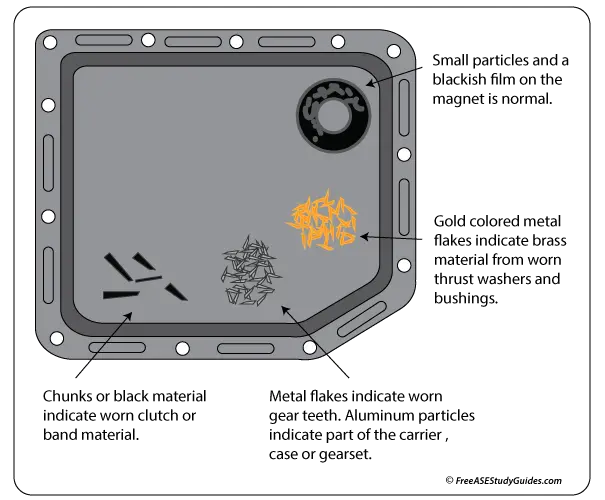
– Metal flakes or debris? Points to internal mechanical damage such as a broken sunshell.
If fluid is clean and full but reverse still doesn’t engage, move to operational testing.
Test Forward Gears and Neutral Behavior
Confirm the transmission functions normally in other gears:
– Does it shift smoothly from 1st to 4th (or higher)?
– Does the truck creep forward in Neutral?
Why this matters:
– If it creeps forward in Neutral, the forward clutch may be stuck, which rules out most reverse-only failures.
– If forward gears are sluggish or slipping, the issue may be broader, involving the pump or pressure regulator.
If forward gears work fine and there’s no creep, the problem is likely isolated to the reverse circuit.
Try Different 4WD Modes (4×4 Models Only)
For 4WD Silverados, reverse failure can stem from the transfer case rather than the transmission.
– Shift into 2WD and attempt reverse
– Switch to Auto mode and try again
– Test in 4Hi if traction allows
Critical clue: If reverse works in Auto mode but not in 2WD, the transfer case is likely at fault. This could mean a broken gear tooth, binding, or encoder motor failure.
Warning: Do not drive long distances in Auto mode on dry pavement. It locks the front axles, causing driveline wind-up and potential damage.
Identify Your Transmission Type

4L60E (1999–2007): The Sunshell Killer
If your Silverado is from 1999 to 2007 and has an automatic transmission, it likely uses the 4L60E, a unit infamous for one fatal flaw: the OEM sunshell.
Symptoms:
– No reverse and no second gear
– Forward gears may work fine initially
– Metallic debris in the pan
Root Cause:
The factory sunshell has thin splines that strip under torque. Once broken, it can’t transfer power to the reverse drum.
Fix:
Replace with a “Beast” heavy-duty sunshell during a rebuild. Never reuse the stock part.
10-Speed and Duramax (2024+): Software and Valve Issues
Newer models, especially diesel Duramax variants, are seeing reverse failures at 8,000 to 17,000 miles, which is far too early for mechanical wear.
Symptoms:
– Complete loss of reverse
– Multiple sensor codes from the TCM or TCCM
– Normal forward operation
Root Cause:
– Software glitches requiring TCM recalibration
– Transmission cooling system faults or valve blockages
– Low hydraulic pressure due to faulty valves or solenoids
Fix:
Visit a dealership for a software update or parts replacement, often covered under warranty.
Older Hydraulic Transmissions (Pre-2005 Non-E Models)
Some older models rely purely on hydraulic pressure for reverse with no electronic solenoids involved.
Likely Causes:
– Burnt reverse clutch pack (check for clutch material in the pan)
– Loose valve body bolts (10mm and 8mm fasteners)
– End plate leaks (three 8mm bolts behind shift solenoids)
Check:
Remove the pan and inspect bolt tightness. A simple re-torque can restore reverse function.
Decode 4WD Transfer Case Problems
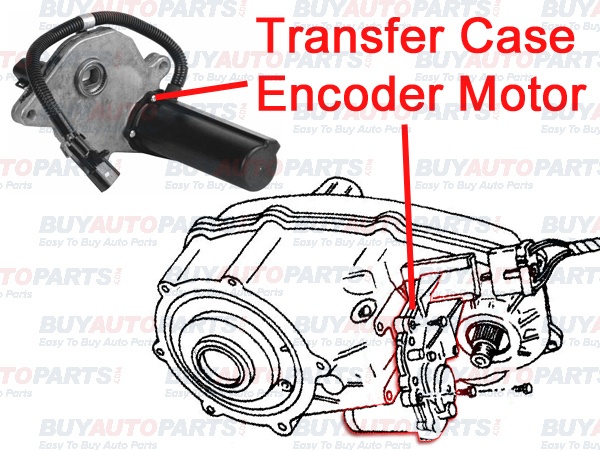
Why Reverse Works in Auto Mode
If your 4WD Silverado only reverses in Auto mode, the transfer case is likely malfunctioning.
Possible Causes:
– Broken gear tooth inside the transfer case
– Encoder motor failure that can’t confirm 2WD mode
– Binding in 2WD position that is relieved in Auto
Diagnosis:
Use a Tech2 scanner to read TCCM codes. If the module doesn’t recognize 2WD, it may disable reverse to prevent damage.
Replace Faulty Encoder Motor
The encoder motor tells the TCCM what mode the transfer case is in.
Symptoms:
– 4WD lights flash or don’t illuminate
– Reverse fails intermittently
– TCCM communication errors
Repair:
– Part costs $65 to $250 for aftermarket options
– Mounted externally, so no need to drop the transfer case
– Often fixes the issue without further disassembly
Test TCCM and Wiring
If no codes can be read and reverse fails, check for power loss at the OBD2 port.
No power indicates:
– Blown fuse (check under the hood and dash)
– Wiring harness damage
– Failed TCCM or TCM
Next Steps:
– Test voltage at OBD2 pin 16
– Inspect connectors at the TCCM (under the passenger side frame rail)
– Repair broken wires or replace the module
Perform Advanced Diagnostics
Scan for Transmission and Transfer Case Codes
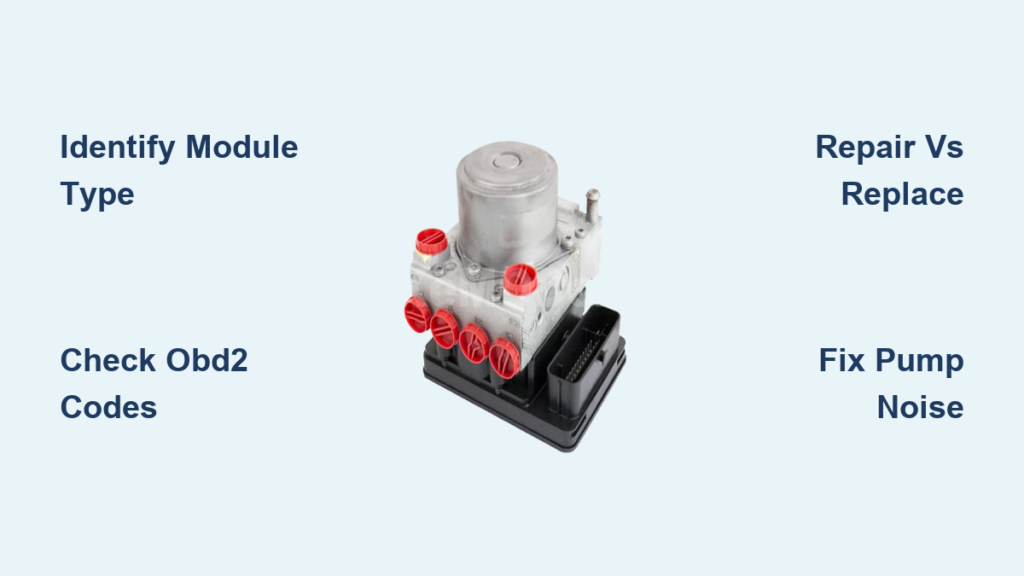
Basic code readers often miss TCCM and TCM-specific DTCs.
Use a CAN-Bus scanner capable of accessing:
– TCM (Transmission Control Module)
– TCCM (Transfer Case Control Module)
Look for codes like:
– P0700 (Transmission Control System Malfunction)
– C0327 (Transfer Case Encoder Motor Performance)
– P0756 (Shift Solenoid B Performance)
Best Tool:
A Tech2 or equivalent GM-level scanner ensures full module access and active testing.
Inspect the Transmission Pan
Drop the pan to look for physical clues.
- Metallic flakes? Indicates sunshell or gear failure
- Black clutch material? Indicates burnt reverse clutch pack
- Loose bolts? Check the valve body (10mm/8mm) and end plate (three 8mm)
Tighten any loose fasteners and reassemble. A simple fix may restore reverse.
Conduct a Hydraulic Pressure Test
If no debris or loose bolts are found, the issue may be hydraulic.
What it checks:
– Pump output pressure
– Reverse circuit pressure
– Pressure regulator valve function
Process:
A technician connects gauges to test ports on the transmission. Low pressure in the reverse circuit points to a worn pump, faulty pressure regulator, or internal valve body leak.
This test is essential before committing to a full rebuild.
Repair Solutions That Work
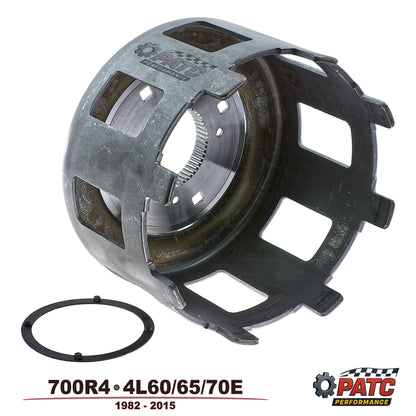
Rebuild with Upgraded Parts (4L60E)
If the sunshell is broken or clutches are burnt, a rebuild is required.
Must-Have Upgrades:
– Beast Heavy-Duty Sunshell with thicker splines and a reinforced hub
– Upgraded Reverse Clutch Pack with higher friction material
– Gasketed Valve Body Plates to prevent cross-leaks
– Sonnax Boost Valve to stabilize line pressure
Labor:
Requires full transmission removal and teardown. Expect 6 to 8 hours of shop time.
Cost:
$1,800 to $3,000 for parts and labor. Higher if using performance-grade components.
Fix Valve Body and Servo Leaks
If pressure is low but no major damage is found, the valve body may be leaking.
Common Fixes:
– Replace the servo piston seal that controls the reverse band
– Install a corrected separator plate to prevent cross-flow
– Re-torque all valve body and end plate bolts
Access:
Often possible without removing the transmission. Just drop the pan and solenoids.
Replace Transfer Case Encoder or Module
For 4WD-specific issues:
Encoder Motor Replacement:
– DIY-friendly
– Takes 30 to 60 minutes
– Fix confirmed by restored 4WD mode selection and reverse
TCCM Replacement:
– May require VIN programming at a dealership or with an advanced tool
– Aftermarket modules are available, but verify compatibility
Software Flash for Newer Models
If your 2024+ Silverado fails reverse at low mileage:
Solution:
Visit a GM dealership for a TCM software update.
Warranty Coverage:
Often covered under powertrain warranty. No parts needed, just a 15-minute recalibration.
Prevent Future Reverse Failures
Change Fluid Every 30,000 Miles
Old fluid loses viscosity and lubricity, leading to heat buildup and clutch wear.
- Use Dexron-VI or manufacturer-specified fluid
- Replace the filter and pan gasket during service
- Consider a cooler if towing frequently
Avoid Towing in Overdrive
Towing in overdrive increases stress on the reverse input clutch and sunshell.
- Shift to Drive (D) or manual mode when hauling
- Keep RPMs higher to reduce transmission heat
Warm Up in Cold Weather
Cold fluid doesn’t flow properly and can’t build pressure.
- Idle 1 to 2 minutes before shifting
- Drive gently until the transmission reaches operating temperature
Real-World Fixes: Case Examples

2003 Silverado 1500 (4L60E, 120k miles)
- Symptoms: No reverse, forward gears smooth, no noise
- Diagnosis: Pan inspection revealed metal flakes. Sunshell splines stripped.
- Fix: Rebuilt with Beast sunshell, upgraded clutches, Sonnax valve
- Cost: $2,400. Reverse restored with no recurrence at 50k miles.
2024 Silverado 2500HD Duramax (8,700 miles)
- Symptoms: No reverse, multiple TCM codes
- Diagnosis: Dealer scan showed software mismatch
- Fix: TCM recalibrated under warranty. Reverse restored in 10 minutes.
- Cost: $0
2006 Silverado 4×4 (110k miles)
- Symptoms: No reverse in 2WD, works in Auto mode
- Diagnosis: TCCM showed encoder motor fault
- Fix: Replaced encoder motor ($180 part). Reverse now works in all modes.
- Cost: $320 for parts and labor
Frequently Asked Questions About Chevy Silverado Reverse Not Working
Why does my Chevy Silverado have forward gears but no reverse?
This typically points to a failure in the reverse-specific circuit. Common causes include a broken sunshell in 4L60E transmissions, a burnt reverse clutch pack, or valve body leaks that prevent hydraulic pressure from reaching the reverse band. In 4WD models, a transfer case encoder motor failure can also disable reverse while leaving forward gears functional.
Can I drive my Silverado if reverse doesn’t work?
You can drive forward, but it’s not recommended for extended periods. Metallic debris from a broken sunshell or burnt clutch material can circulate through the transmission, destroying the pump and other components. Address the issue as soon as possible to avoid a $3,000+ rebuild.
How much does it cost to fix reverse not working on a Silverado?
Costs vary widely based on the cause. An encoder motor replacement runs $200 to $400. A valve body repair or pan service costs $300 to $800. A full transmission rebuild with upgraded parts ranges from $1,800 to $3,000. For 2024+ models under warranty, software updates may be free.
What is a sunshell and why does it break?
The sunshell is a central gear component in the transmission’s planetary gearset that transfers torque to the reverse drum. In 4L60E transmissions, the factory sunshell has thin splines that strip under normal torque loads. Once broken, it cannot transfer power to engage reverse or second gear.
How do I know if my transfer case is causing the reverse problem?
Test reverse in different 4WD modes. If reverse works in Auto mode but not in 2WD, the transfer case is likely the culprit. This points to a broken gear tooth, encoder motor failure, or binding in the 2WD position. A Tech2 scanner can read TCCM codes to confirm.
Will a software update fix reverse failure on a 2024 Silverado?
Yes, in many cases. Newer Duramax and 10-speed models have experienced reverse failures at low mileage due to TCM software glitches. Dealerships can perform a recalibration in about 15 minutes, typically covered under powertrain warranty.
Key Takeaways for Fixing Chevy Silverado Reverse Issues
Chevy Silverado reverse not working is not a one-size-fits-all problem. The fix depends entirely on your truck’s age, transmission type, and drivetrain configuration. For older 4L60E models, suspect the sunshell first. For newer Duramax trucks, think software or valve issues. For 4WD models, test transfer case modes before tearing into the transmission.
Start with the basics: check fluid levels, test 4WD modes, scan for codes, and inspect the pan. With the right diagnosis, you can avoid a $3,000 rebuild when a $200 encoder motor or a free software update is all you need. If you’re not comfortable performing these diagnostics yourself, a transmission specialist with GM-level scanning tools can save you significant time and money.