Your Silverado sits overnight and refuses to start the next morning. The battery tests fine, the alternator charges at 14 volts, yet the truck goes dead in a few days. This frustrating cycle points to one thing: a parasitic battery drain silently killing your battery while the truck is off.
This guide gives you a complete Silverado battery drain fix using proven diagnostic steps, model-specific solutions, and cost-saving repairs. You will learn how to find the exact source of the drain, fix it permanently, and stop replacing batteries that never needed replacing in the first place.
Diagnose the Parasitic Draw
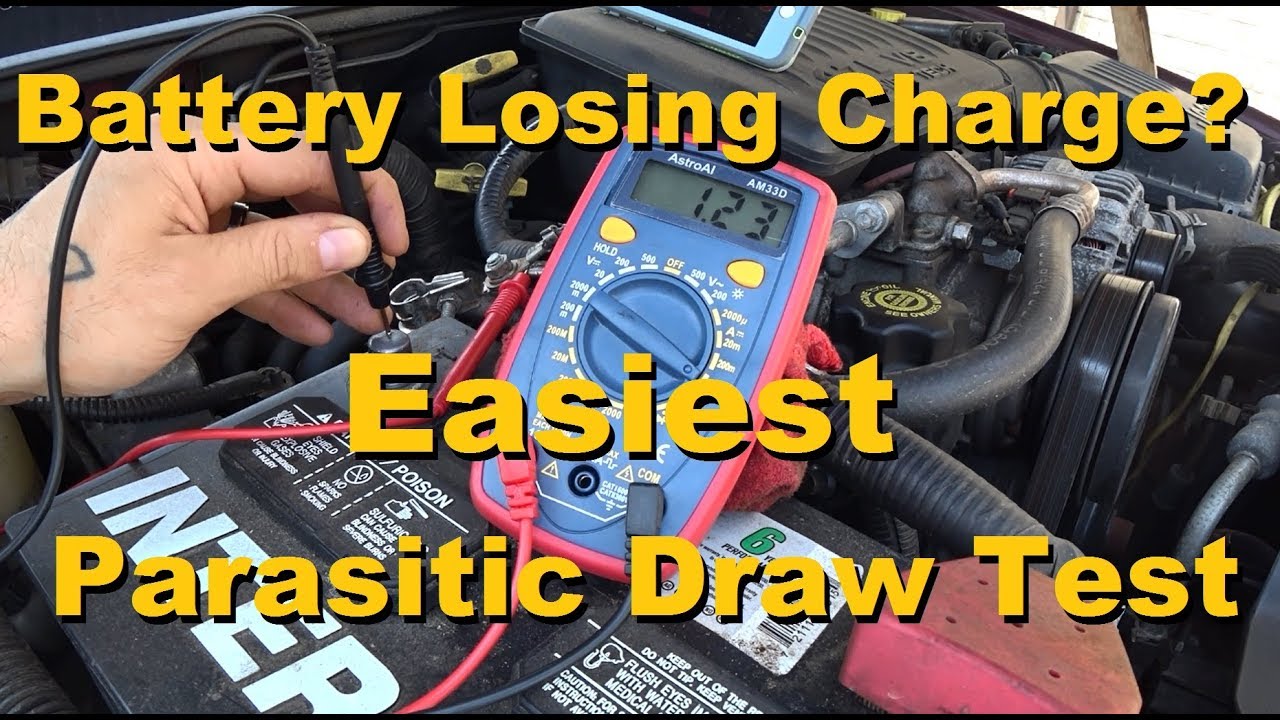
Before buying parts, confirm the drain with proper testing. Guessing wastes money and leaves the real problem untouched.
Test Battery Voltage First
Start with a simple voltage check using any multimeter.
A healthy resting battery should read 12.6 volts or higher. Anything below 12.4 volts means the battery is already discharged. With the engine running, voltage should sit between 13.5 and 14.7 volts. If your running voltage looks good but the battery keeps dying overnight, parasitic draw is almost certainly the cause.
Perform a Multimeter Current Draw Test
This test confirms whether a drain exists and how severe it is.
Steps:
1. Turn off all lights, close all doors, and remove the key.
2. Set your multimeter to DC current on the 10A range.
3. Disconnect the negative battery cable.
4. Connect the multimeter in series between the negative terminal and the loose cable.
5. Wait 20 to 30 minutes for all modules to enter sleep mode.
6. Read the display.
Interpret the results:
– Below 0.05A (50mA): Normal
– Above 0.05A: Parasitic draw confirmed
– Above 1A: Major component fault, often the alternator
Warning: Do not open doors or pull fuses during the waiting period. Waking modules mid-test ruins the results.
Quick Check Without a Multimeter
If you have no multimeter, try this simple trick. Disconnect the negative cable and briefly touch a paper clip between the cable end and the battery post. A visible spark or sustained current flow means a drain exists. This method is rough but tells you whether deeper testing is worth your time.
Isolate the Faulty Circuit
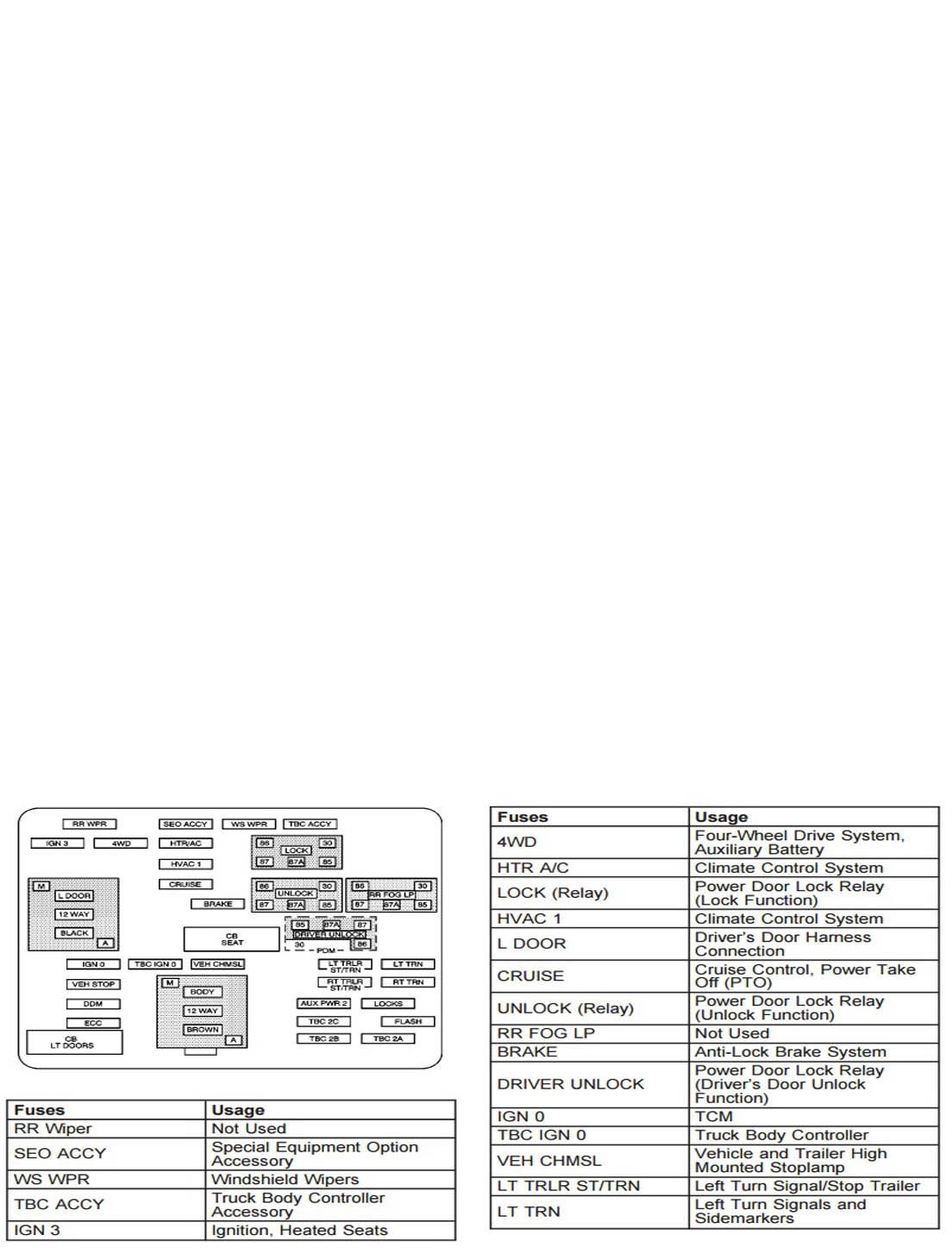
Once you confirm a draw, the next step is finding which circuit is responsible.
Pull Fuses One by One
Keep the multimeter connected in series and watch the reading. Remove one fuse at a time from both the under-hood box and interior panels. When the current drops back below 50mA, the last fuse you pulled marks the faulty circuit.
Common circuits to check first:
– Body Control Module (BCM)
– Radio and infotainment
– Instrument cluster
– Power accessories
– Trailer tow module
Disconnect Modules When Fuses Don’t Help
If pulling every fuse still leaves a draw, the fault may sit inside a module or the fuse box itself. Unplug the BCM, radio, instrument cluster, or telematics module one at a time. Recheck the current after each disconnection. When the draw drops, you have found your culprit.
Fix Model-Specific Issues
Different Silverado generations have known weak points. Target these first based on your truck’s year.
2000–2006: Alternator Rectifier Failure
GMT800 trucks commonly suffer from a failed alternator rectifier that allows current to flow backward into the alternator when the engine is off. This can create massive drains of 11.5 to 12 amps.
How to confirm:
– Disconnect the large red or yellow power wire on the alternator.
– Recheck the parasitic draw.
– If the reading drops to normal, the alternator is the problem.
Fix: Replace the alternator or rebuild it with a new rectifier. Bench-test the unit at an auto parts store before installation.
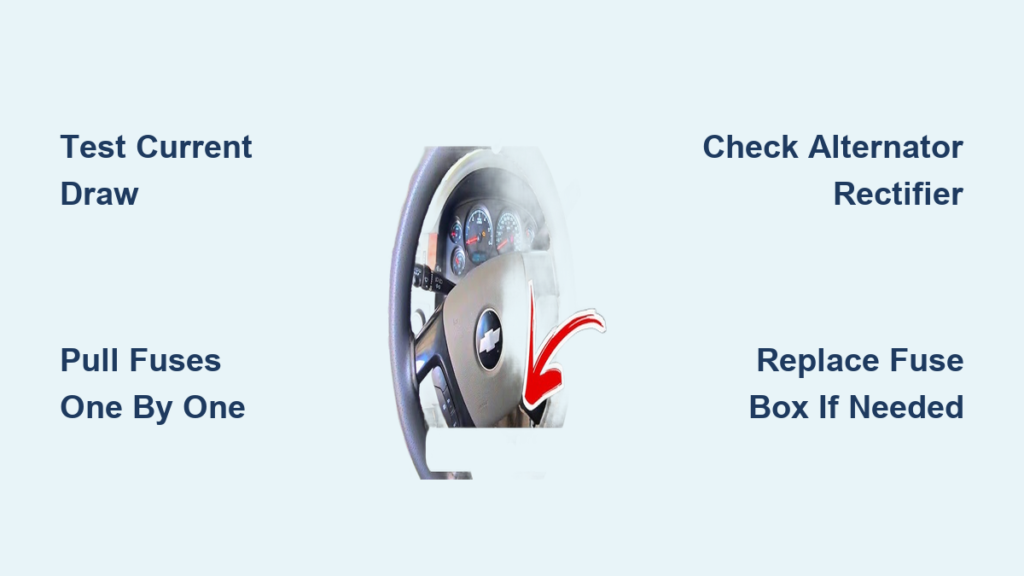
2004: Instrument Cluster Design Flaw
The 2004 Silverado cluster has a 12-volt line that stays powered even when the ignition is off, drawing about 0.2 amps constantly. This alone can kill a battery in a few days.
Symptoms:
– The cluster feels warm after shutdown.
– The draw persists even after pulling all fuses.
– A loose negative cable touching the body makes the problem worse.
Fix: Splice in a switched power wire so the cluster only receives power when the key is on. Alternatively, install a repaired or rebuilt cluster from a reputable supplier.
2018: Under-Hood Fuse Box Internal Short
A widespread defect in 2018 models causes fluctuating draws between 1.2 and 5 amps due to internal shorts in the fuse block.
Diagnostic clues:
– A black cable from the battery reads 12 volts when disconnected, which should be a ground.
– Thermal imaging shows heat in the harness near the fuse box.
– Pulling fuses does not eliminate the draw.
Fix: Replace the entire under-hood fuse box. Used units work, but new OEM parts last longer.
2020–2023: Infotainment and TCM Sleep Failures
Newer Silverados occasionally suffer from ECUs that fail to enter sleep mode, especially the Telematics Control Module.
How to diagnose:
– Check for open Technical Service Bulletins (TSBs) from GM.
– Use a scan tool to monitor module wake states.
– Disconnect the infotainment or TCM and watch for a current drop.
Fix: A dealer software update often resolves sleep mode bugs. If hardware failure is confirmed, replace and reprogram the module.
Address Common Culprit Components

Even outside model-specific issues, certain parts frequently cause trouble.
Replace a Faulty Body Control Module
The BCM controls door locks, windows, and the alarm. When it fails to sleep, it keeps drawing power.
Signs:
– Battery dies overnight
– No warning lights or trouble codes
– Draw stops when the BCM is unplugged
Fix: Try a dealer software update first. If that fails, replace and reprogram the BCM. Expect to pay $500 to $1,000.
Inspect Aftermarket Electronics
Aftermarket radios, remote starters, and trailer wiring can prevent the vehicle from sleeping.
Check these items:
– Remove aftermarket radio adapters and steering wheel control modules
– Unplug trailer harnesses and check for corrosion
– Disconnect remote start systems
If the draw disappears, rewire or replace the faulty accessory.
Clean and Secure Ground Connections
Loose or corroded grounds create resistance, voltage drops, and erratic electrical behavior.
Focus on:
– The negative battery cable to the frame and engine block
– Ground points under the dash and near the fuse boxes
Fix: Remove cables, clean contact points with a baking soda and water mix, sand until shiny, reconnect tightly, and apply dielectric grease.
Repair or Replace Damaged Wiring
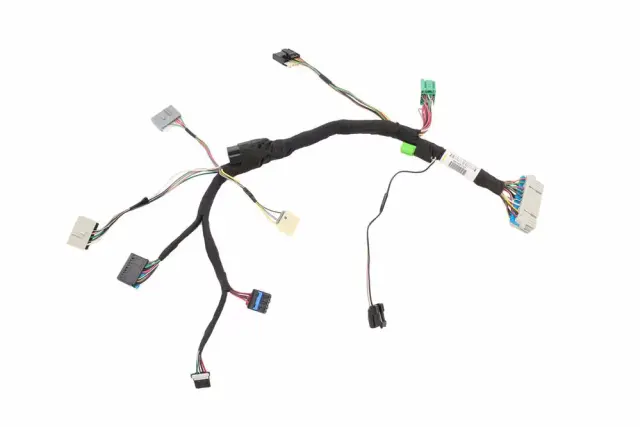
Frayed or pinched wires can short to ground and create persistent drains.
Look for Frayed or Pinched Wires
Inspect these areas carefully:
– Harness near the steering column
– Wiring under the driver’s side dash
– Engine bay harnesses routed near sharp edges
Fix: Cut out damaged sections, solder and heat-shrink the connections, then protect the repair with loom or electrical tape.
Rewire the 2004 Cluster Permanently
For 2004 models, reroute the cluster’s power supply:
1. Locate the constant 12V feed to the cluster.
2. Cut the wire and connect it to an ignition-switched source such as a fuse that is only hot with the key on.
3. Test the draw; it should drop to near zero when the truck is off.
This eliminates the design flaw for good.
Prevent Future Battery Drains
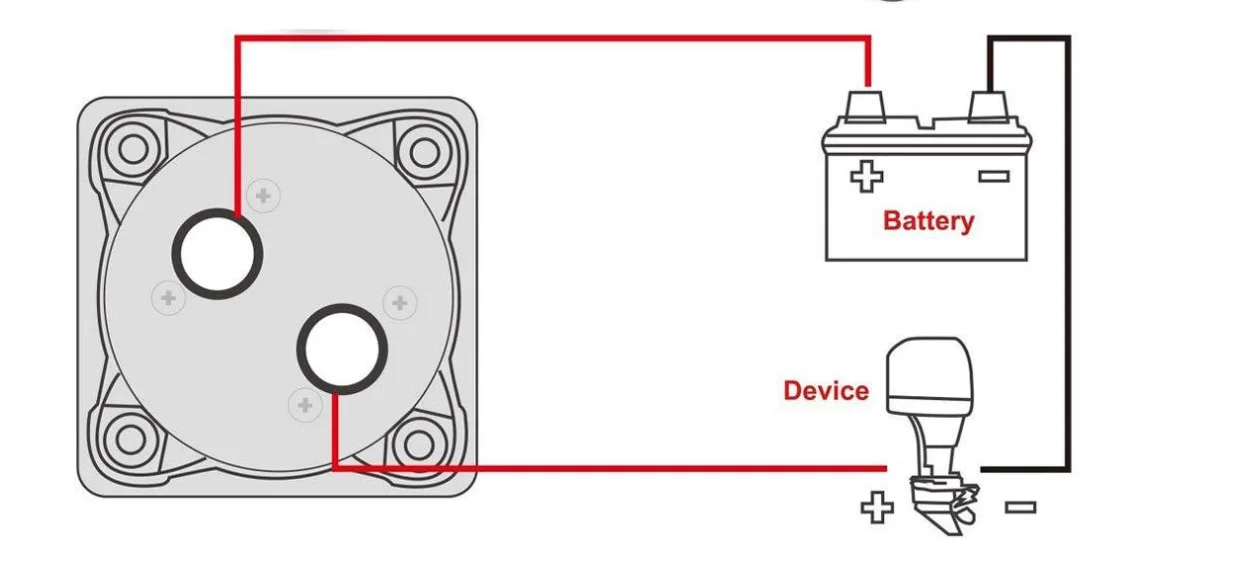
After fixing the issue, protect your battery from future failure.
Install a Battery Kill Switch
A kill switch mounted on the negative terminal lets you cut all power when parking long-term. It costs about $12 and stops 100% of parasitic draw when flipped off.
Use a Trickle Charger or Maintainer
A smart maintainer like the NOCO Genius keeps the battery topped off during storage. Mount the unit and route the cord to the wheel well for easy access. Plug it in whenever the truck sits for more than a few days.
Jump-Start Safely When Needed
If the battery is already dead, follow this safe protocol to avoid damaging the ECU.
Correct jump-start steps:
1. Park close with engines off.
2. Connect red clamp to dead battery (+).
3. Connect red clamp to good battery (+).
4. Connect black clamp to good battery (–).
5. Connect black clamp to engine block ground on the dead truck, never the battery terminal.
6. Run the donor car for 2 to 3 minutes.
7. Start the dead truck.
8. Remove cables in reverse order.
Warning: Never reverse polarity. It can fry the ECU or cause a battery explosion. Do not jump a cracked or leaking battery.
Drive to Recharge
After a successful jump, drive for at least 30 minutes to fully recharge the battery. Short trips will not restore enough charge.
Maintain Battery Health Long-Term
A few simple habits keep your electrical system healthy.
- Replace the battery every 3 to 5 years, even without symptoms.
- Check terminals monthly for white or green corrosion and clean as needed.
- Monitor voltage regularly with a $10 voltmeter. Resting voltage should stay at or above 12.6V.
Frequently Asked Questions About Silverado Battery Drain
What is a normal parasitic draw on a Silverado?
A healthy Silverado should draw less than 50 milliamps (0.05 amps) when off. Anything above that threshold indicates a parasitic drain that will eventually kill the battery.
How do I find a parasitic draw without a multimeter?
Disconnect the negative battery cable and touch a paper clip between the cable end and the battery post. A spark or sustained current flow confirms a drain exists, though you will still need a multimeter to pinpoint the exact circuit.
Can a bad alternator cause a battery drain?
Yes. A failed alternator rectifier allows current to flow backward from the battery to the alternator when the engine is off. This can create draws of 11.5 amps or more, draining a battery within days.
What is the most common cause of parasitic drain in 2018 Silverados?
The under-hood fuse box is the most common culprit. Internal shorts inside the fuse block cause fluctuating draws between 1.2 and 5 amps. Replacing the entire fuse box is the confirmed fix.
Is a battery kill switch a permanent fix?
No. A kill switch is a temporary workaround that prevents drain while the truck sits. It does not address the underlying electrical fault, so the root cause should still be diagnosed and repaired.
How long should I drive after a jump-start?
Drive for at least 30 minutes to allow the alternator to recharge the battery. Short trips under 15 minutes will not restore enough charge and may leave you stranded again.
Key Takeaways for Fixing Your Silverado Battery Drain
A Silverado battery drain is not just an inconvenience. It is a symptom of a deeper electrical fault that will keep killing batteries until you find the root cause. Start with a multimeter current draw test to confirm the problem, then isolate the faulty circuit by pulling fuses or disconnecting modules. Pay close attention to model-specific weak points like the 2004 instrument cluster, 2018 fuse box, and 2020+ infotainment sleep failures. Once repaired, install a kill switch or trickle charger as a safety net, and check your battery voltage monthly to catch future issues early. Stop replacing batteries and start fixing the real problem today.