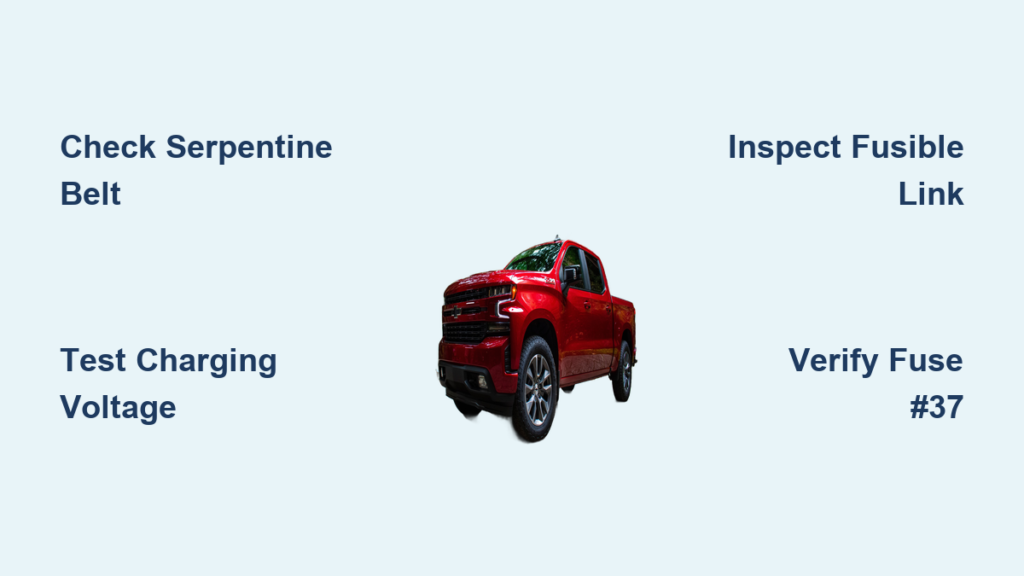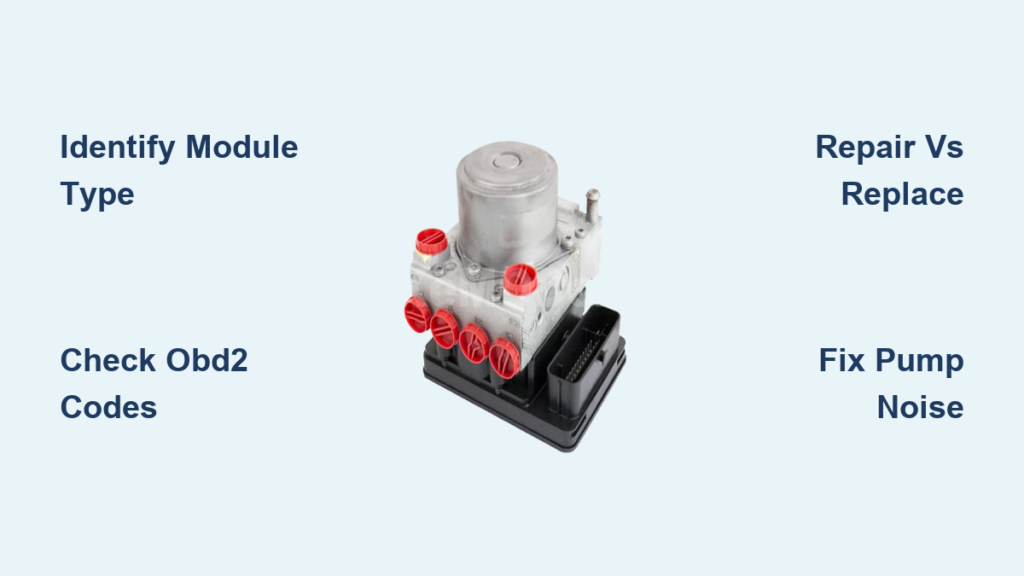
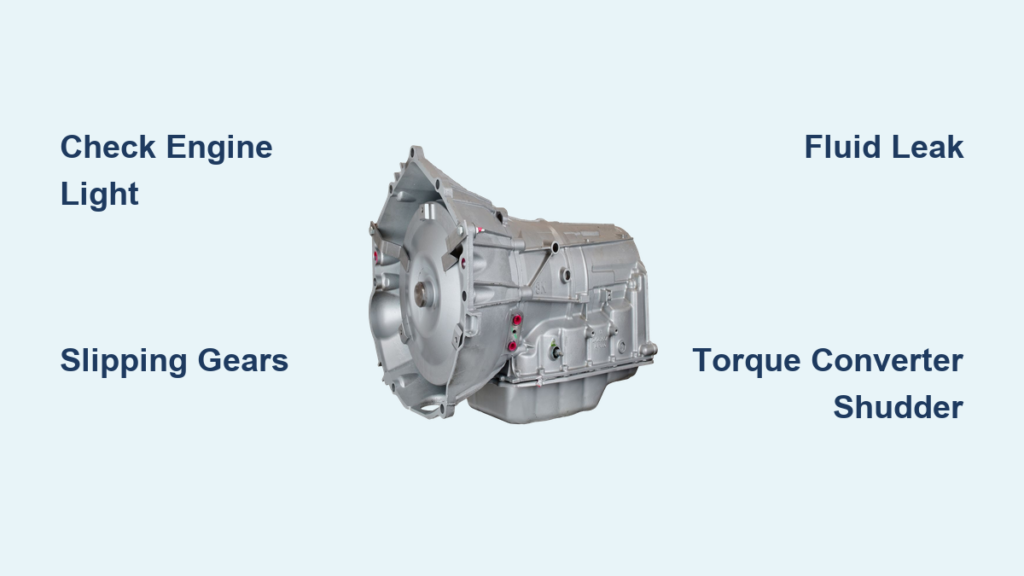
If your Chevy Silverado isn’t shifting smoothly, jerks when accelerating, or refuses to go into gear, you could be facing a transmission issue—and repair costs can quickly climb into the thousands. Transmission problems in Silverados are among the most costly and complex repairs a truck owner may encounter. With estimates ranging from $2,500 to over $7,700 depending on model year and service provider, knowing what’s wrong and how to fix it is critical.
This guide breaks down everything you need to know about Chevy Silverado transmission repair. You’ll learn how to spot early warning signs, understand dealer versus independent shop pricing, and discover preventative steps that could save your transmission and your wallet.
Decode Transmission Warning Signs
Recognizing early symptoms of transmission trouble can prevent total failure and save thousands in repair bills. Ignoring subtle shifts or noises often leads to catastrophic internal damage.
Check Engine or Transmission Light On
A lit Check Engine Light or dedicated Transmission Warning Light is the first electronic alert. Use an OBD2 scanner to pull codes. Common codes like P0700 (transmission control system malfunction) or P0740 (torque converter clutch circuit) point directly to transmission issues. Never ignore these warnings, especially when they appear with performance changes.
Slipping Gears or Delayed Shifting
If your engine revs rise without acceleration, or there’s a delay when shifting into Drive or Reverse, worn clutch packs or low fluid levels are likely causes. This is common in 6L80E and 8-speed automatics. Slipping often worsens over time. Early diagnosis can mean a $300 solenoid fix instead of a $3,500 rebuild.
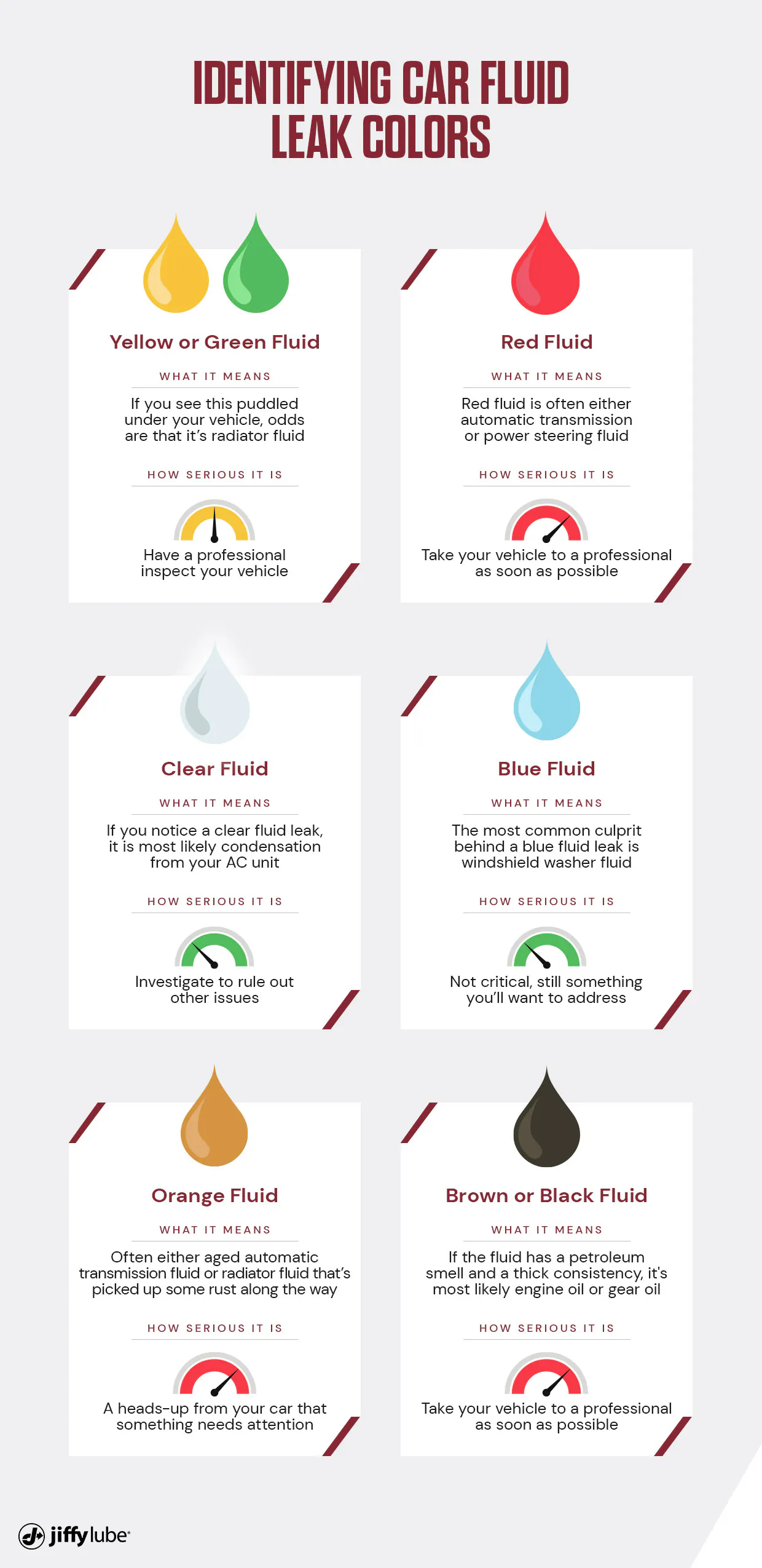
Fluid Leaks Under Your Truck
Red or green fluid pooling under the center or rear of your Silverado signals a transmission fluid leak. Common sources include damaged fluid lines, a worn pan gasket, a faulty torque converter seal, or a loose drain plug. Low fluid leads to overheating and internal damage. Check fluid level regularly using the dipstick and inspect color. Burnt-smelling, dark brown fluid needs immediate replacement.
Unusual Noises and Shuddering
Whining, humming, or clunking sounds during driving often indicate bearing wear or solenoid issues. A shudder between 35–55 mph, especially in 2017–2020 models, is a known symptom of torque converter failure. This shudder typically disappears at higher speeds but returns under light load.
Estimate Your Repair Costs by Model
Repair costs vary widely by model year, engine, and where you get service. Knowing your specific truck’s needs helps avoid overpaying.
2020 Silverado 5.3L Rebuild Cost
For a 2020 Silverado with the 5.3L V8 and 8-speed automatic, a full transmission rebuild runs $2,500 to $3,500. New factory units aren’t available, so rebuilding is the only option. This includes labor, parts, and fluid replacement. A torque converter replacement alone can cost $2,800, often warranty-covered if under 5 years or 60,000 miles.
Pro Tip: If covered under warranty, out-of-pocket costs may only include a filter and fluid change (~$500).
2022 Silverado 1500 Dealer Replacement Price
At a dealership, replacing a transmission in a 2022 Silverado 1500 Crew Cab costs $7,315 to $7,797 in ZIP 11201. This high cost includes parts ($1,451–$1,571) and high labor rates due to specialized training. A factory warranty on parts and labor is included. Independent shop pricing wasn’t listed for this model, but general industry data suggests savings of 20–40% compared to dealers.
Torque Converter Repair Case Study
A 2020 Silverado RST with 85,000 miles had torque converter failure. The $2,800 repair was fully covered under warranty, but the owner paid over $500 for a transmission filter and fluid change. This highlights the importance of checking warranty status before repair.
Compare Dealership vs. Independent Shops
Where you get your transmission repaired affects cost, quality, and warranty terms.
Dealership Advantages and Costs
Dealerships offer GM-approved parts with manufacturer warranty, factory-trained technicians with model-specific expertise, software updates for the Transmission Control Module (TCM), and comprehensive diagnostics using OEM tools. However, labor rates are higher, and parts markup increases total cost. For newer models like the 2022 Silverado, dealers are often the only option for full replacements.
Independent Shop Benefits
Independent shops typically charge less and may offer aftermarket or remanufactured transmissions, lower labor rates, and flexible scheduling. But they may lack factory software tools, access to GM-specific service bulletins, and long-term warranties.
Expert Note: For complex issues like solenoid or TCM problems, dealership-level diagnostics are often worth the extra cost.
Identify Your Transmission Type
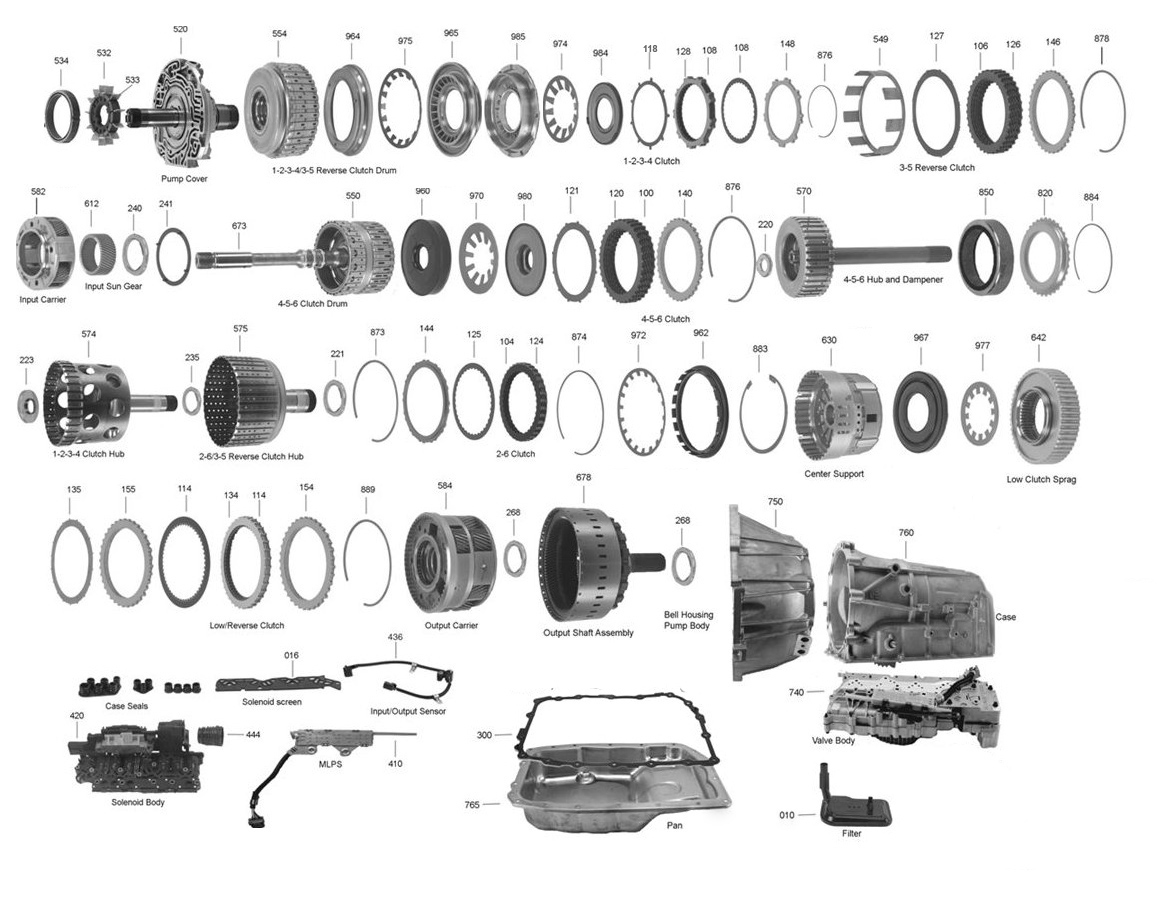
Knowing your transmission model ensures correct parts and proper repair procedures.
Common Silverado Transmission Models
- 6L80 / 6L80E / 6L90 / 6L90E: Six-speed automatics (2007–2019 Silverado 1500/2500)
- 4L60E / 4L65E / 4L70E: Four-speed automatics (2004+ models)
- 8-Speed Automatic: 2020+ models with 5.3L or 6.2L V8
- GETRAG Manual: Found in some base-trim models
How to Identify Yours: Check the glovebox VIN decoder sticker, use online VIN lookup tools, or consult your owner’s manual or dealership service records. Using the wrong rebuild kit or fluid can cause immediate damage.
Diagnose Automatic vs. Manual Issues
Diagnosis differs significantly between automatic and manual transmissions.
Automatic Transmission Diagnostic Steps
-
Scan for Codes
Use an OBD2 scanner to check for transmission-related trouble codes. This is the fastest way to pinpoint electrical or sensor issues. -
Inspect Solenoid and Valve Body
Faulty solenoids disrupt fluid flow, causing rough shifts or failure to engage. The valve body controls hydraulic pressure. Debris or wear here leads to slipping. -
Check Fluid Condition
Pull the dipstick or inspect fluid from the pan. Clean fluid is red or green. Dark, burnt-smelling fluid indicates internal damage or overdue maintenance. -
Evaluate Clutch Packs
Worn clutches cause slipping. A rebuild is required if clutches are glazed or broken. -
Verify TCM Software
Check for available software updates. GM has issued bulletins for shudder fixes via TCM reprogramming. -
Assess Internal Damage
If codes, fluid, and solenoids check out but symptoms persist, internal damage (bearings, gears, torque converter) is likely. A rebuild is required.
Manual Transmission Failure Signs
- Grinding when shifting: Worn synchros or low fluid
- Stiff or stuck shifter: Linkage issue or worn bushings
- Clutch slippage: RPM rises but truck doesn’t accelerate
- Spongy clutch pedal: Air in hydraulic system or failing master/slave cylinder
Fix: Often requires linkage adjustment, clutch kit replacement, or bearing and synchro rebuild.
Fix Torque Converter Shudder (2017–2020 Models)
A common issue in late-2010s Silverados is torque converter shudder, felt as a vibration between 35–55 mph.
Triple Flush Service Bulletin Fix
GM issued a triple transmission flush service bulletin to resolve this. The procedure drains and refills fluid three times, replaces the filter and pan gasket, and resets TCM adaptation. One user reported a $762 cost at 75,000 miles, and the shudder disappeared immediately.
Why It Works: Removes contaminated fluid and resets shift learning in the TCM.
AFM/DFM Delete as Prevention
Some owners install an AFM/DFM delete module (~$85) via the OBD2 port to disable Active Fuel Management. This keeps the engine running on all 8 cylinders, reducing torque fluctuations that may contribute to shudder.
Warning: May void warranty or affect emissions compliance in some states.
Replace Solenoids and Valve Body

Solenoid and valve body issues are common and often repairable without a full rebuild.
Symptoms of Solenoid Failure
- Erratic shifting
- Stuck in one gear
- No reverse or drive engagement
- Check Engine Light with P0753, P0758, or similar codes
Repair Process
- Drain fluid and remove the transmission pan
- Locate the solenoid pack (usually on the valve body)
- Test electrical connections and resistance
- Replace faulty solenoid or entire pack (~$200–$400 parts)
- Refill with GM-approved fluid (Dexron LS)
- Relearn shift patterns via scan tool
Time Estimate: 3–5 hours for an experienced tech.
Pro Tip: Always replace the transmission filter and fluid when servicing solenoids.
Rebuild vs. Replace: What’s Best?

Deciding between a rebuild and full replacement depends on damage level and cost.
When to Rebuild
- Internal damage confirmed (worn clutches, bearings)
- No new units available (e.g., 2020 5.3L)
- Cost-effective for high-mileage trucks
Rebuild cost runs $2,500–$3,500, including a rebuild kit, torque converter, fluid, and filter. Labor takes 8–12 hours.
When to Replace
- Catastrophic failure (metal in pan)
- Faster turnaround needed
- Under warranty (dealer replacement)
Replacement cost runs $4,500–$7,800. Options include remanufactured, used OEM, or dealer units.
Used Transmission Example: A 2010–2011 6.2L unit with 164,000 miles sold for $2,054 plus $175 shipping, a viable option for budget-conscious owners.
Prevent Future Transmission Failures
Preventative maintenance is the cheapest way to extend transmission life.
Change Fluid on Schedule
- Follow GM service intervals (typically every 50,000–100,000 miles)
- Use Dexron LS or GM-approved ATF only
- Replace filter and pan gasket every fluid change
Never flush with harsh cleaners. They can dislodge debris and clog solenoids.
Keep Transmission Cool
- Clean debris from transmission cooler fins
- Avoid towing beyond capacity
- Install an auxiliary transmission cooler for heavy-duty use
Overheating is a leading cause of fluid breakdown and clutch failure.
Update Transmission Software
Ensure your TCM has the latest software. Dealers can apply updates during routine visits. These often improve shift quality and prevent known issues like shudder.
Monitor Early Warning Signs
Check for delayed engagement, slipping under load, unusual noises, and fluid leaks. Address issues early because small fixes prevent big bills.
Understand Warranty and Insurance Coverage
Most transmission repairs aren’t covered, but exceptions exist.
Warranty Protection
- Powertrain Warranty: Covers transmission for 5 years or 60,000 miles (varies by model)
- Extended Warranties: May cover rebuilds or replacements
- Dealer-Replaced Parts: Often include 12–24 month warranties
Case Example: 2020 Silverado RST torque converter repair was $2,800 and fully covered under warranty.
Insurance: What’s Covered?
Routine wear and tear, mechanical failure, and poor maintenance are not covered. Coverage may apply if damage resulted from collision, vandalism, or natural disaster.
Action Step: Contact your insurer to confirm coverage after an accident.
Source Affordable Rebuild Kits
DIY or shop-sourced kits can reduce repair costs significantly.
Top Aftermarket Kit Prices
- 6L80E Master Rebuild Kit (Precision): $218.95 (includes gaskets, seals, clutches, filter)
- 4L60E/4L70E Kit (Unbranded): $229.00 (was $327, free shipping)
- 6L80/6L90 Series Kit: $254.48 (gaskets, filter, clutches included)
- GETRAG Manual Synchro Kit (USA Standard Gear): $199.79
- ATP Repair Kit (1999–2000 Models): $345.72
- SKF Seal & Bearing Kit (2007 Classic): $259.85
Where to Buy: Reputable online sellers with fast shipping and return policies.
Frequently Asked Questions About Chevy Silverado Transmission Repair
How much does it cost to fix a Chevy Silverado transmission?
Costs range from $2,500 to over $7,700 depending on model year and service provider. A 2020 5.3L rebuild runs $2,500–$3,500, while a 2022 dealer replacement can exceed $7,700.
What are the most common Silverado transmission problems?
The most common issues include torque converter shudder (2017–2020 models), slipping gears, delayed engagement, solenoid failure, and fluid leaks. These often stem from worn clutches, degraded fluid, or electrical faults.
Can I drive my Silverado with a transmission problem?
You can drive short distances, but continuing to drive with slipping, leaking, or grinding symptoms risks catastrophic failure. Address issues immediately to avoid a $3,500+ rebuild.
Is it better to rebuild or replace a Silverado transmission?
Rebuilding is best when internal damage is confirmed and no new units are available (common for 2020 5.3L models). Replacement is faster and preferred for catastrophic failure or warranty-covered repairs.
Does insurance cover transmission repair?
Standard auto insurance does not cover wear and tear or mechanical failure. Coverage applies only if damage resulted from a covered event like a collision, vandalism, or natural disaster.
How long does a Silverado transmission last?
With proper maintenance, including regular fluid changes using GM-approved ATF, a Silverado transmission can last well beyond 150,000 miles. Neglecting fluid changes is the leading cause of premature failure.
Key Takeaways for Chevy Silverado Transmission Repair
A failing transmission in your Chevy Silverado doesn’t have to mean a $7,000 repair bill. By recognizing early symptoms like slipping, shuddering, or fluid leaks, you can often catch issues before they require a full rebuild. For 2020+ models, rebuilding is usually the only option, costing $2,500–$3,500, while 2022 models at dealers can exceed $7,700.
Always check warranty coverage because many torque converter repairs are fully covered. Use GM-approved fluid, follow maintenance schedules, and consider a TCM software update to prevent common issues like shudder. Whether you choose a dealership or independent shop, knowing your transmission type and repair options puts you in control. Schedule a diagnostic scan today if you notice any warning signs.