When your Silverado power outlet not working, the frustration is real. From 2019 through 2025 models across 1500, 2500, LTZ, and Z71 trims, owners consistently report dead 12V sockets and 120V AC outlets that shut down under load. These outlets power everything from phone chargers to job site tools, so when they fail, your workflow grinds to a halt. The root causes range from blown fuses and loose prong contact to inverter software glitches and strict 400-watt power limits.
This guide walks you through every diagnostic step, from quick checks to advanced resets. You’ll learn how to identify whether the problem is the truck, the outlet, or the device you’re plugging in. We’ll also cover what the factory system can actually handle, so you stop tripping circuits and avoid unnecessary battery drain.
Check Vehicle and Outlet Status

Before touching fuses or hardware, verify that basic operational requirements are met. Many “failed” outlets are simply inactive due to overlooked settings or vehicle state.
Confirm Ignition and Activation
The 120V AC outlet only works when the ignition is On or the engine is running. The system shuts off when the truck is off to prevent battery drain. Even with the key in the run position, if the system isn’t fully powered, no outlet will work.
For 120V outlets, you must press the dedicated 120V button, usually located on the dash or center console. Look for a green indicator light. If the light is off, the inverter isn’t activated. If the light is on but the outlet still doesn’t deliver power, the issue lies downstream.
Some 2024 models may have hidden software settings in the infotainment or driver display that disable the outlet. Check menus under Vehicle, Power, or Bed Controls even if these options aren’t mentioned in the manual.
Test With Low-Power Devices
Don’t assume failure because a circular saw won’t run. The Silverado’s 120V system is rated for only about 400 watts. High-draw tools like blenders, drills, and miter saws exceed this limit and trigger automatic shutdown.
Start your test with a laptop charger or phone adapter. If low-power devices work, the outlet is functional and you’re simply overloading it. If nothing powers on, proceed to deeper diagnostics.
Inspect 12V Outlet Contact Issues
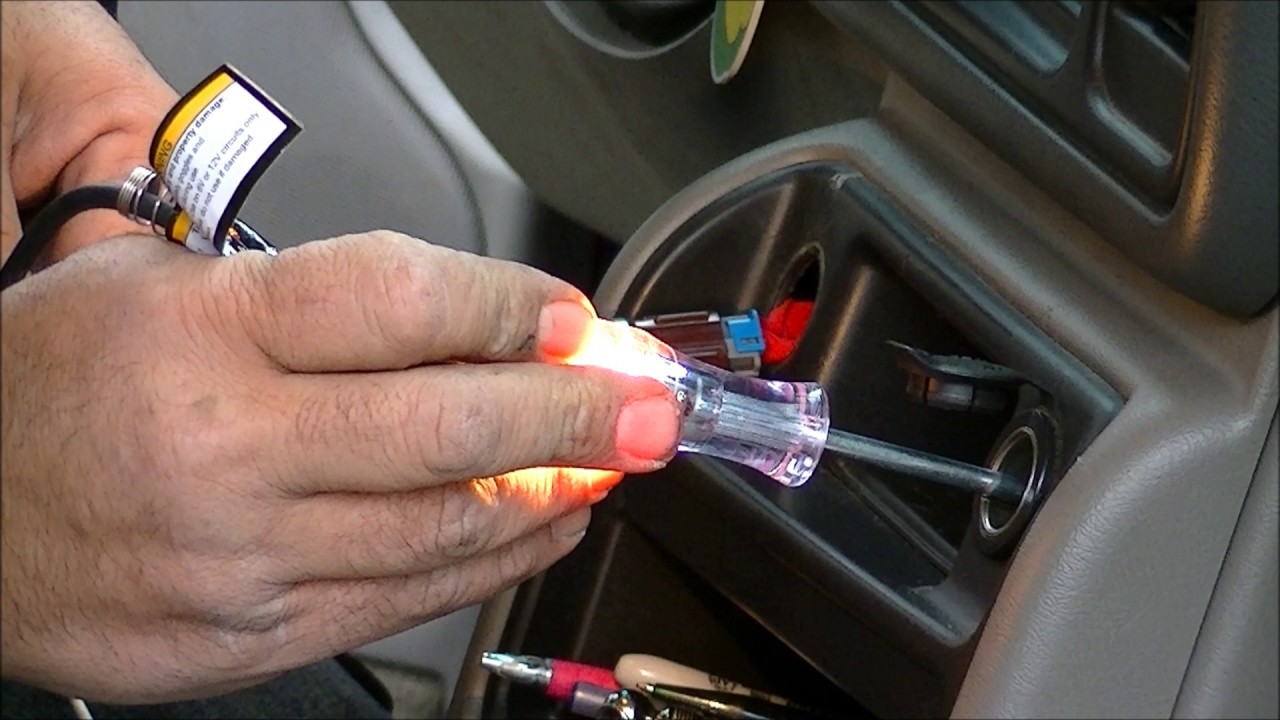
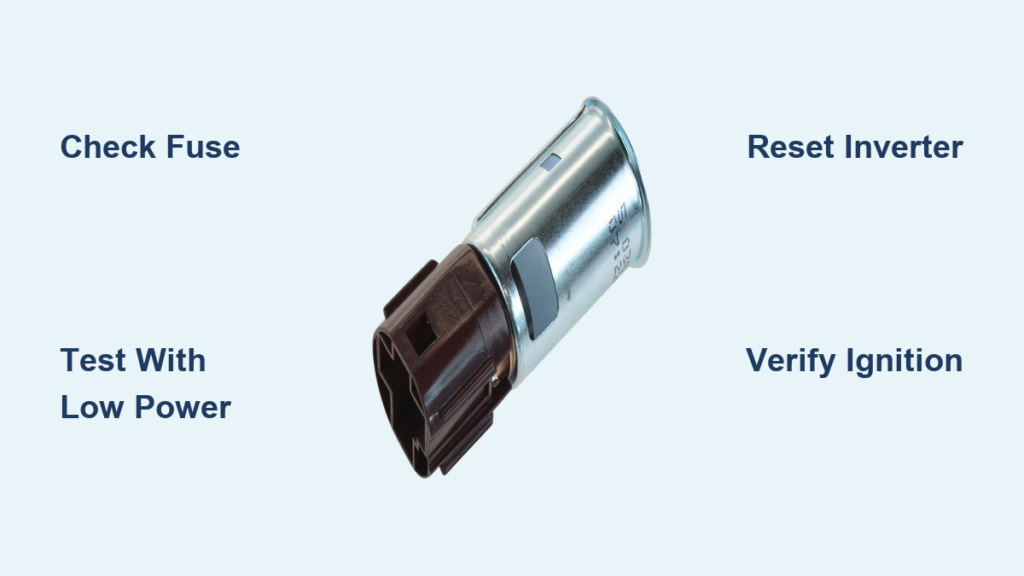
Many Silverado power outlet not working complaints stem from poor physical contact rather than electrical failure. This is especially common in newer models where socket design doesn’t grip standard charger prongs properly.
Identify Loose Prong Problems
Users report that some chargers work while others don’t, even in the same outlet. This happens because internal spring contacts are spaced too wide for thinner prongs. Chargers with thicker or wider prongs often make better contact and restore function.
If only certain chargers work, the problem isn’t the outlet itself but incompatible hardware. Try a different 12V accessory before assuming the socket is broken.
Fix Poor Contact With Simple Mods
A quick workaround involves gently bending charger prongs outward with pliers to increase tension when inserted. This forces better contact with the socket’s terminals.
Do this carefully, as over-bending can damage the charger or socket. This isn’t a permanent fix but can confirm whether the issue is contact-related.
Avoid cheap, flimsy chargers. Invest in heavy-duty, thick-prong models designed for rugged use. They’re more likely to work reliably in GM’s finicky sockets.
Locate and Test Power Outlet Fuses

A blown fuse is the most common cause of total power loss. Even if other circuits work, the 12V and 120V outlets often have dedicated fuses that fail after overloads.
Find the Correct Fuse Box
Check two locations: the underhood fuse block near the battery and the cabin fuse panel on the driver’s side dash or kick panel. Consult your owner’s manual for exact diagrams. Look for fuses labeled AUX Power, Power Outlet, Inverter, or Bed Power.
On some models, the 120V system shares a fuse with the rear seat controls or infotainment system. Check nearby circuits even if labels don’t match perfectly.
Visually Inspect and Replace Fuses
Remove the suspect fuse and check the internal filament. If it’s broken or blackened, replace it with an identical amperage fuse, typically 20A or 30A.
Don’t assume a fuse is good because it looks intact, since micro-cracks aren’t always visible. Use a fuse tester or multimeter for certainty.
Keep spares in your glovebox. These fuses blow easily when users plug in high-wattage devices like inverters or heaters.
Diagnose 120V Inverter System Failures
When the 120V outlet won’t power anything, even low-wattage devices, the issue likely lies in the inverter system that converts DC battery power to AC household current.
Verify Green Light Activation
Press the 120V button and confirm the green indicator light turns on. No light means the fuse is blown, the inverter is disabled in software, or there’s a button or wiring fault.
If the light is on but no power flows, the inverter may be in a fault state or unable to detect the load.
Reset the Inverter Module
The inverter can lock up due to overload or software glitch. A full power cycle often fixes it:
- Turn off the truck
- Exit and lock the doors
- Wait 5 to 10 minutes for systems to sleep
- Restart and try the outlet again
For stubborn cases, disconnect the negative battery terminal for 15 minutes to force a hard reset. Reconnect and retry.
This clears error states that dealers often miss because the system resets during transport.
Understand Power Limits and Load Compatibility

Many apparent failures are actually user overload. The Silverado’s 120V outlet is not a full generator. It’s a limited inverter system with strict boundaries.
Know What Devices Will Work
Safe to Use (Under 400W):
– Laptop chargers
– Phone and tablet adapters
– Small LED TVs
– 2-gallon shop vacs
– Portable fans or lights
Will Fail or Trip System:
– Circular saws (1200 to 1500W)
– Blenders (800 to 1200W)
– Refrigerators (500W+ surge)
– Electric drills
– Heaters or AC units
Even if a device starts, surge draw on motor startup can exceed 400W and shut down the system immediately.
Avoid Battery Drain Risks
Running high-load devices drains the battery faster than the alternator recharges it, especially at idle. After 10 to 15 minutes, the system may shut down to prevent a no-start condition.
To sustain heavy use, run the engine at higher idle (1500+ RPM), limit usage to short bursts, and never leave the system unattended.
Compare to Ford F-150 Pro Power Onboard
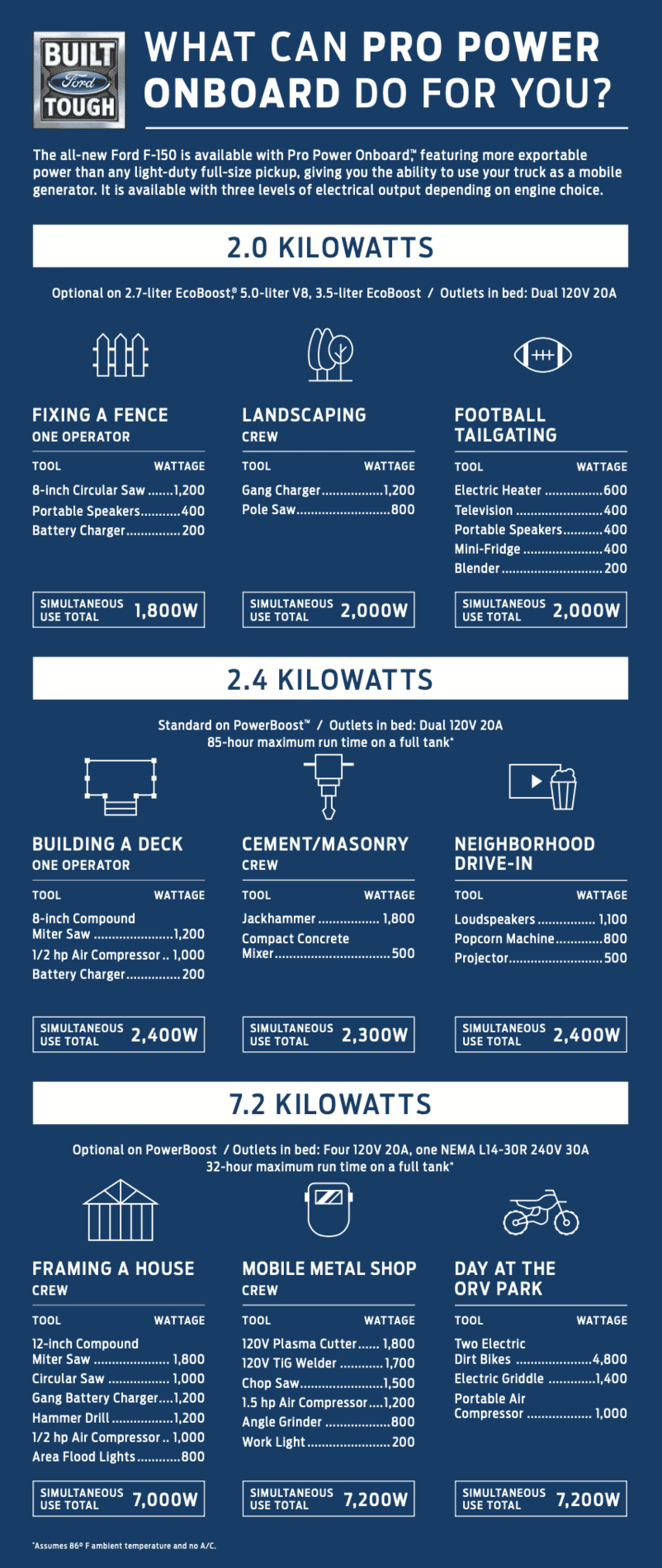
Users frustrated by Silverado power outlet not working often compare it to the Ford F-150 Pro Power Onboard system.
Ford offers up to 7,500 watts, enough to power job sites, tailgates, or even charge EVs. It’s a roughly $750 option but delivers real utility for contractors and outdoor enthusiasts.
The Silverado’s 400W system feels like a gimmick by comparison, especially when GM markets rail kits for miter saws that the outlet can’t actually power.
If you need serious power, consider a portable generator for quiet, efficient, high-output performance, or an aftermarket inverter wired directly to the battery.
Bypass Factory Limits With Aftermarket Solutions
For contractors or frequent users, the factory system’s limits make it nearly useless for real work. Aftermarket upgrades offer genuine power without risking damage to your truck’s electrical system.
Install a Standalone Inverter
Add a dedicated 1000W to 2000W inverter mounted near the battery. Wire it with proper fusing and a master disconnect switch.
Benefits include running high-draw tools safely, no software restrictions, and independence from the factory system. Use marine-grade or automotive inverters with low-voltage shutdown to protect your battery.
Use Portable Generators for Job Sites
A 2000W inverter generator like the Honda EU2200i or WEN 56200i is lighter, quieter, and more reliable than straining your truck’s electrical system.
It won’t drain your battery, works when the truck is off, and powers multiple tools at once. Many electricians and landscapers now carry one as standard gear because the Silverado’s outlet can’t be trusted for demanding work.
Prevent Future Outlet Failures
Avoid repeat issues with smart habits and routine checks.
Keep Spare Fuses and Test Regularly
Buy a pack of 20A and 30A blade fuses and store them in the glovebox. Replace at the first sign of failure.
Test outlets monthly with a known-working device to catch issues early.
Clean and Protect Outlet Ports
Debris, moisture, or corrosion can kill connectivity over time.
For 12V sockets, blow out dust with compressed air, check for bent or recessed contacts, and avoid leaving chargers plugged in long-term.
For 120V bed outlets, always close the weatherproof cover, apply dielectric grease to contacts if you live in a wet climate, and inspect for cracks or water intrusion.
Update Vehicle Software
GM has released software updates that fix inverter logic bugs and improve load detection.
Ask your dealer to check for TSBs or module updates during oil changes. Some fixes are only available through GM’s proprietary diagnostic tools.
Frequently Asked Questions About Silverado Power Outlets
Why does my Silverado 120V outlet shut off when I plug in a circular saw?
The Silverado’s 120V outlet is limited to about 400 watts. A circular saw draws 1200 to 1500 watts, which exceeds the system’s capacity and triggers automatic shutdown to protect the circuit.
How do I reset the 120V inverter in my Silverado?
Turn off the truck, exit, lock the doors, and wait 5 to 10 minutes for the system to fully sleep. Restart and test the outlet. If that doesn’t work, disconnect the negative battery terminal for 15 minutes to force a hard reset.
Why do some chargers work in my 12V outlet but others don’t?
The internal spring contacts may be spaced too wide for thinner charger prongs. Chargers with thicker prongs make better contact and restore function. Try bending the prongs outward slightly or switching to a heavy-duty charger.
Where is the fuse for the Silverado power outlet?
Check the underhood fuse block near the battery and the cabin fuse panel on the driver’s side. Look for fuses labeled AUX Power, Power Outlet, Inverter, or Bed Power. Consult your owner’s manual for the exact location and amperage.
Can I run a refrigerator from my Silverado’s bed outlet?
Small refrigerators may work briefly, but the compressor startup surge often exceeds 400 watts and trips the system. The factory outlet is designed for low-power electronics, not appliances with motors or compressors.
Is the Silverado power outlet worth using for job site tools?
For light-duty electronics like phones and laptops, yes. For power tools, appliances, or anything drawing more than 400 watts, the factory outlet falls short. Consider a portable generator or aftermarket inverter for serious work.
Final Thoughts on Fixing Your Silverado Power Outlet
The Silverado power outlet not working as expected is rarely a mystery. More often, it’s a design limitation masquerading as a defect. The system works fine for phones, laptops, and small electronics, but if you need to run power tools or job site gear, it will let you down.
Your fastest path to a working outlet starts with checking fuses, confirming the green light indicator, and testing with low-power devices. If those steps don’t resolve the issue, try a power cycle reset or inspect for loose prong contact on 12V accessories.
For users who need real power, a $200 portable generator solves the problem faster than waiting for GM to redesign the system. Weigh the cost of aftermarket upgrades against your actual needs, and remember that working within the 400W limit protects your battery and inverter from long-term damage.