You press the pedal, the engine roars, and then nothing. Around 98 to 106 mph, your Chevrolet Silverado simply stops accelerating. That hard cutoff is the factory speed limiter, an electronic governor programmed into the Engine Control Unit (ECU) that caps your top speed regardless of how much power sits under the hood. Owners with lifted AT4 or Trail Boss trims feel this most acutely, especially when their stock tires are rated for 118 mph. The frustration is real, but the fix is not simple.
This guide covers everything you need to know about removing the speed limiter on a Silverado. You’ll learn the difference between the actual governor and the annoying speed warning beep, what tools are required, how much it costs, and the serious safety risks you take on by overriding a factory safety system.
What the Silverado Speed Limiter Actually Does
The speed limiter on a Silverado is software embedded in the ECU. Once your truck hits a set threshold, the system cuts fuel or spark to prevent further acceleration. This is not a mechanical restriction. It is an electronic safety feature tied to the capabilities of stock components like tires, driveshafts, and suspension geometry.
Why GM Installs Speed Governors
GM sets these limits to keep your truck within the safe operating range of its driveline. Stock Silverados come with T-rated tires rated for 118 mph, but the limiter ensures the truck never approaches speeds where components can fail. The governor accounts for tire heat buildup under load, driveshaft balance thresholds, and the high center of gravity that makes tall trucks prone to instability at speed.
Factory Speed Limits by Trim and Model
Your truck’s base limit depends on its configuration:
- 2019–2020 6.2L Silverado: Governed to 106 mph
- AT4 and Trail Boss trims: Capped at 98 mph due to the 2-inch factory lift
- 2023 Silverado: Maintains a 98 mph ceiling on most configurations
- 3.0L Diesel and 2WD Elevation: Often limited to 98 mph
Community data shows that lifted trims typically see a reduction of 8 to 10 mph compared to non-lifted models. Some users have reported briefly hitting 113 mph before the hard cutoff, likely due to calibration variance between production batches.
Speed Governor vs. Speed Warning: A Critical Distinction
Many Silverado owners confuse the speed warning alarm with the actual speed governor. These are two completely different systems.
Speed Warning Alarm (Removable via Dashboard)
This is the beep and dashboard alert that triggers when you exceed a preset speed, usually 55 mph by default. You can disable or adjust it through the Driver Information Center (DIC) menu using steering wheel controls.
Speed Governor (Requires ECU Tuning)
This is the hard limiter that physically blocks acceleration past 98 or 106 mph. You cannot disable it through any dashboard setting. It requires direct ECU reprogramming using professional tools.
| Feature | Speed Warning | Speed Governor |
|---|---|---|
| Function | Audible/visual alert | Blocks acceleration |
| Removable via dash? | Yes | No |
| Access method | Steering wheel controls | HP Tuners or pro shop |
| Cost to remove | Free | $300–$1,900+ |
How to Disable the Speed Warning Alarm (2015–2022 Models)
If the beep is what bothers you, here is how to turn off the speed warning:
- Press the Check Mark (✓) button on your steering wheel.
- Use the Down Arrow to scroll to Options.
- Navigate to Speed Warning (you may need to cycle through Info pages to find it).
- Select Off or set a custom threshold like 75 mph.
This change takes effect immediately and silences the alert. Your truck will still hit the governor at 98 or 106 mph.
ECU Tuning: The Only Way to Remove the Speed Limiter
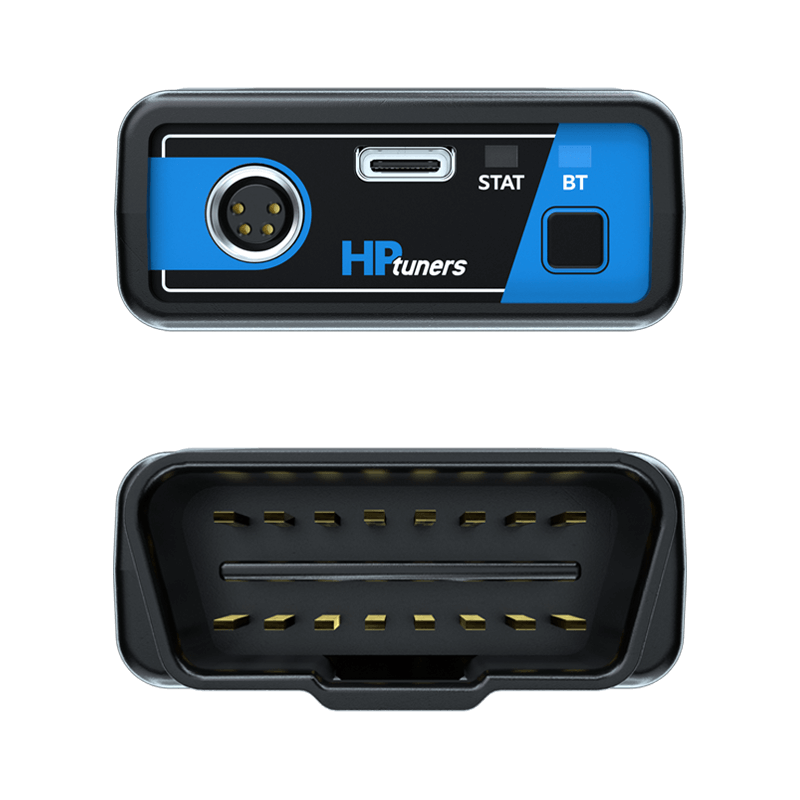
To actually raise or eliminate the speed governor, you must reprogram the ECU. There are two paths: DIY tuning or hiring a professional shop.
HP Tuners: The Proven DIY Method
HP Tuners is the most widely used platform for disabling the Silverado’s speed governor. It requires specific hardware and software purchases.
What you need:
– MPVI2 or MPVI3 interface (the hardware that connects to your truck)
– Unlocked license (a one-time purchase)
– Tuning credits (required to modify ECU parameters)
– Basic ECU tuning knowledge
Cost breakdown:
– HP Tuners MPVI3 plus base license: $450–$600
– Tuning credits (minimum): $1,300+
– Total DIY investment: approximately $1,900+
Once you own the equipment, you can tune your current truck and any future vehicles, which spreads the cost over time.
Professional Tuning Shops (Recommended for Most Owners)
Most Silverado owners visit a local tuning shop with HP Tuners access. This avoids the steep upfront investment and ensures an experienced technician handles the modification.
Typical cost: $300–$600 for a one-time speed limiter removal tune.
What happens during the tune:
1. The technician connects HP Tuners to your OBD2 port.
2. They load your factory ECU map.
3. They locate and disable the “Max Vehicle Speed” parameter.
4. They reflash the ECU with the modified tune.
5. They test the system to confirm proper function.
After the tune, your Silverado can accelerate past 106 mph if the drivetrain holds together.
Risks of Removing the Speed Limiter
Disabling the governor does not make your truck safe at high speeds. The limiter exists for engineering reasons, and removing it exposes you to serious dangers.
Driveshaft Failure
Stock Silverado driveshafts are balanced for speeds up to around 100 mph. Beyond that threshold, imbalance increases rapidly. A driveshaft that comes out of balance at high speed can destruct within seconds, potentially ripping through the floor, destroying the transmission, or causing total loss of control. Community warnings are blunt: driving a stock truck past 100 mph is asking to die or kill someone else.
Tire Speed Ratings Under Load
Most Silverados come with T-rated tires rated for 118 mph. While this exceeds the factory limiter, tire ratings assume ideal conditions. Heat, wear, cargo weight, and towing all reduce safe operating margins. Running at or near maximum rated speed under load dramatically increases blowout risk.
Vehicle Dynamics at Speed
The Silverado is tall, box-shaped, and front-heavy. These characteristics create poor aerodynamics and a high center of gravity that makes the truck unstable at high speeds, especially during crosswinds or emergency maneuvers. It does not handle like a sports car, and the factory limiter reflects that reality.
Warranty and Legal Consequences
Any ECU modification that disables a safety governor voids GM’s factory warranty. If your engine, transmission, or drivetrain fails afterward, GM can deny coverage citing unauthorized tuning. Some tuners offer stock restore files so you can revert to factory settings before dealership visits, but this requires diligence.
Liability is another concern. If you crash at high speed after removing the limiter, insurers or courts may rule that you operated the vehicle outside manufacturer specifications. You are not just modifying software; you are overriding a certified safety system.
Can You Remove the Limiter Without HP Tuners?
No other method works. Despite online claims, no app, OBD2 scanner, or dashboard hack can remove the speed limiter. The setting is locked deep in the ECU and requires direct access to GM’s calibration files through an authorized tuning platform.
Common myths debunked:
– Programmers like Edge or Bully Dog cannot access the speed limiter parameter on modern Silverados.
– Disconnecting the battery resets temporary codes but does not alter factory calibrations.
– Changing gear ratios or tire size affects your speedometer reading, not the limiter threshold.
Only ECU tuning via HP Tuners or a professional shop actually works.
What Happens After Limiter Removal
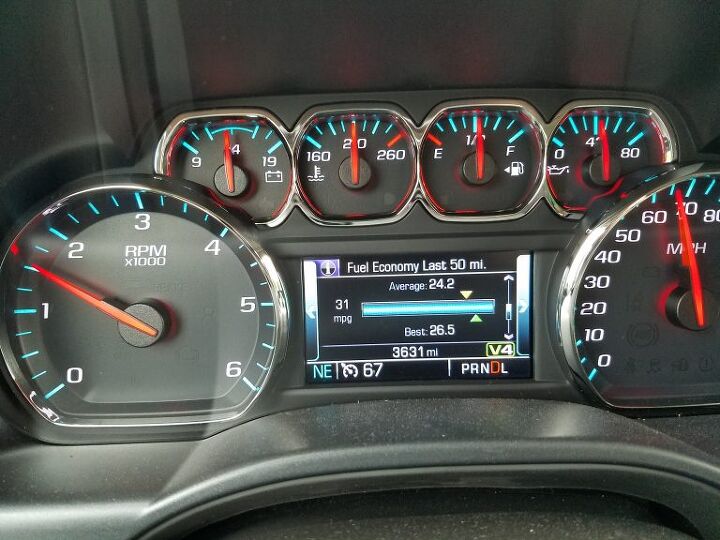
Once the governor is off, your Silverado’s performance depends entirely on supporting components. One verified user reported hitting 150 mph on a closed course with a tuned 6.2L Silverado, proving the engine and transmission are capable if the driveline survives.
Owners often notice that the limiter engages in 6th gear, preventing access to 7th, 8th, 9th, or 10th gears at higher speeds. Removing the limiter allows full use of the transmission’s range, but only if the driveshaft, tires, and brakes can handle the stress.
Should You Remove the Speed Limiter?
Consider removing it if:
– You have access to a track or private land for high-speed testing
– You’ve upgraded to a balanced performance driveshaft and high-speed tires
– You understand and accept the safety risks
– You are comfortable voiding the factory warranty
Do not remove it if:
– You drive on public roads regularly
– Your truck has stock suspension and tires
– You tow or carry heavy loads
– You depend on factory warranty coverage
Some tuners offer raised limits (such as 118 mph) instead of full removal. This option balances performance with a margin of safety.
Frequently Asked Questions About Removing the Silverado Speed Limiter
Can I remove the speed limiter using the dashboard menu?
No. Dashboard controls only adjust the speed warning alarm. The actual speed governor is embedded in the ECU and requires professional tuning tools like HP Tuners to modify.
How much does it cost to remove the speed limiter?
DIY removal using HP Tuners costs approximately $1,900 or more for the hardware and credits. Hiring a professional tuning shop typically costs between $300 and $600 for a one-time tune.
Will removing the speed limiter void my warranty?
Yes. Any ECU modification that disables a factory safety feature voids GM’s warranty. If your engine, transmission, or drivetrain fails afterward, GM can deny coverage.
Is it safe to drive a Silverado over 100 mph after removing the limiter?
It is risky with stock components. The driveshaft is balanced for speeds up to about 100 mph, and tire ratings assume ideal conditions. High-speed driving without upgraded components can lead to catastrophic failure.
What is the difference between the speed warning and the speed governor?
The speed warning is an audible alert that triggers at a preset speed (usually 55 mph) and can be disabled via the DIC. The speed governor is a hard electronic limit that physically prevents acceleration past 98 or 106 mph and requires ECU tuning to remove.
Do lifted Silverado models have a lower speed limit?
Yes. AT4 and Trail Boss trims with a 2-inch factory lift are typically governed to 98 mph, compared to 106 mph for non-lifted models. This reduction accounts for stability and component concerns related to the higher ride height.
Key Takeaways for Removing Your Silverado’s Speed Limiter
Removing the speed limiter on a Silverado is technically possible but carries serious trade-offs. The process requires either a $1,900+ investment in HP Tuners equipment or a $300–$600 visit to a professional shop. More importantly, it introduces real safety risks, especially with a stock driveshaft and tires that were never engineered for sustained high-speed operation.
Before you tune, confirm what actually bothers you. If it is the beep at 55 mph, disable the Speed Warning in your DIC; it takes 30 seconds and costs nothing. If you are chasing higher top speeds, understand that you are not just unlocking performance; you are overriding a critical safety system. Upgrade your driveshaft, install high-speed-rated tires, and never test these limits on public roads. Tune wisely, or leave the governor in place and let it do its job.