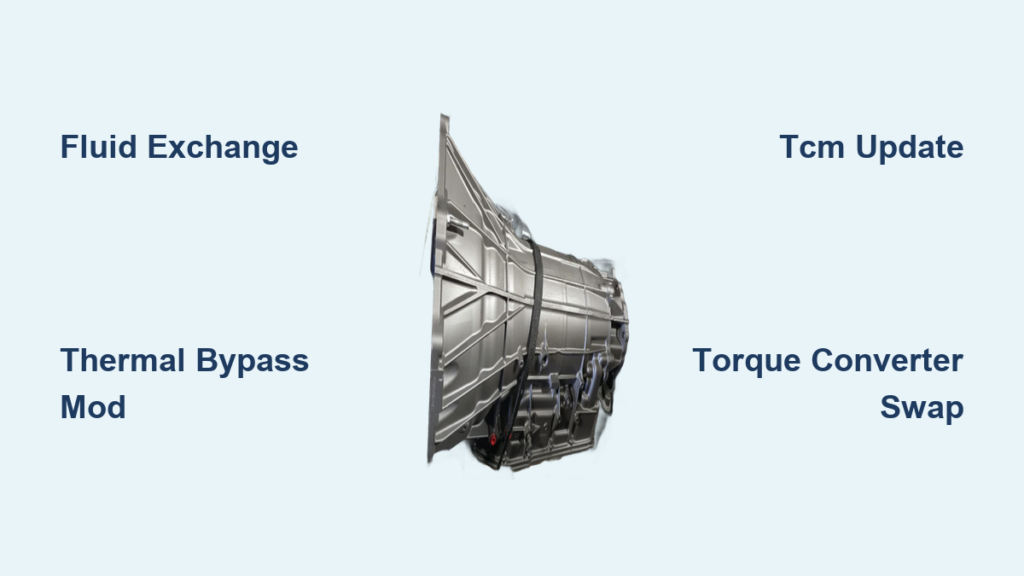
If your Chevy Silverado shudders between 25 and 50 mph during light acceleration, you’re not imagining things, and you’re definitely not alone. Transmission shudder feels like driving over rumble strips on a smooth road, often paired with a chugging or jerking sensation. This issue shows up most often in Chevy Silverados from 2015 to 2022, especially those equipped with the 8L90 or 8L45 8-speed automatic transmission. The root cause isn’t always mechanical failure. It’s often a chemical breakdown in the transmission fluid that leads to unstable torque converter clutch engagement. Left unaddressed, shudder can escalate to complete transmission failure, with repair costs exceeding $7,000. The good news? In 90% of early cases, the fix starts with a proper fluid exchange. This guide walks you through diagnosing, repairing, and preventing transmission shudder in your Silverado using proven strategies, from fluid upgrades to thermal mods and software updates.
Recognize the Shudder Pattern
Steady-Speed Shudder at 25–50 mph
Transmission shudder typically hits during light throttle at cruising speeds. You’ll feel a rhythmic vibration or shake between 25 and 50 mph, especially when the torque converter locks up in overdrive. Unlike engine misfires, this shudder disappears when you press the gas (increasing slip) or tap the brakes (unlocking the converter). If the vibration only occurs under load or during gear shifts, it may point to driveline or engine issues instead.
Cold and Hot Weather Triggers
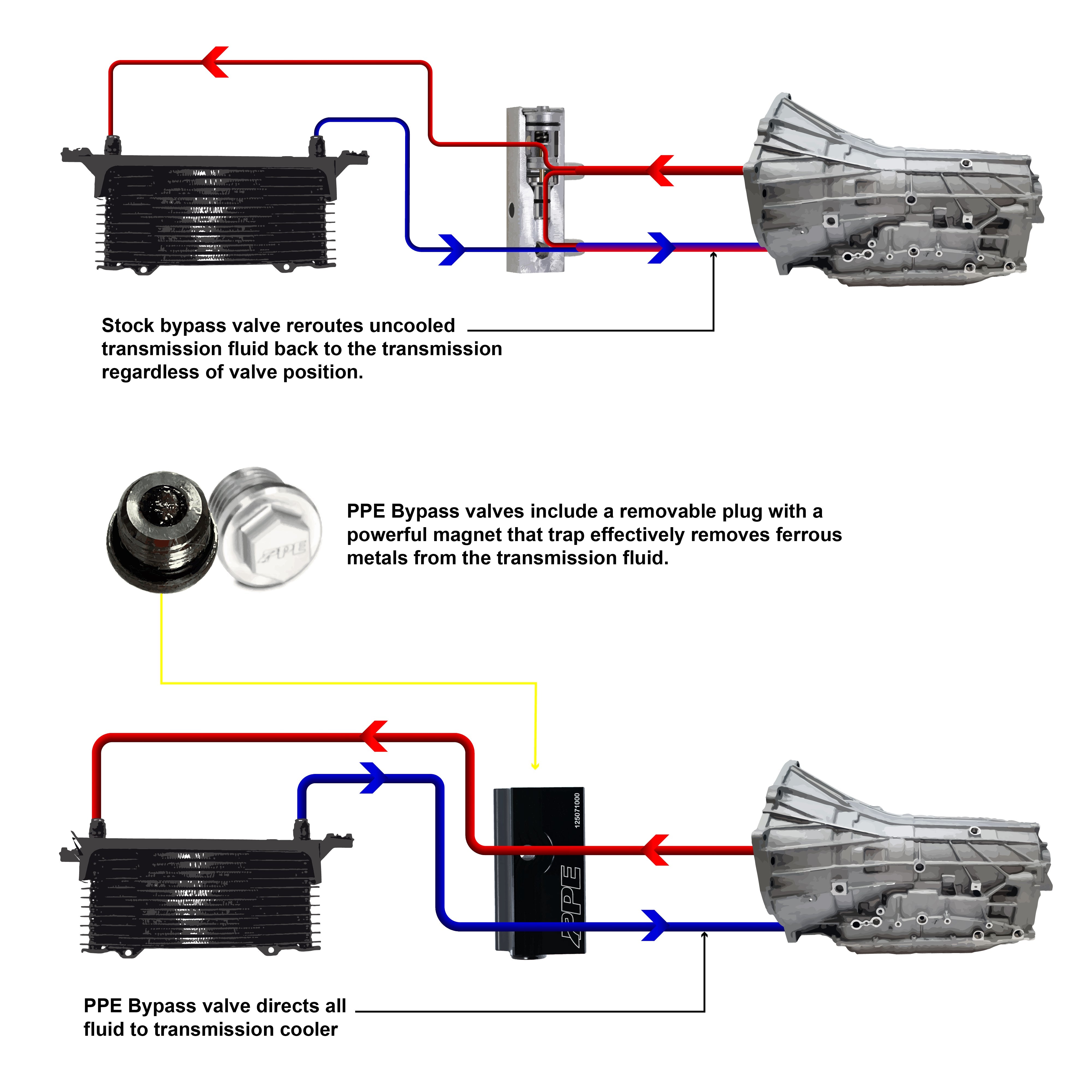
Temperature plays a major role. Many owners report worse shudder on hot, humid days when transmission fluid runs hotter than 190°F. The factory thermal bypass valve delays cooling to boost fuel economy, but this accelerates fluid degradation. Conversely, cold-weather shudder, like a “neutral drop” during 1–2 shifts, can occur in 2021+ models due to delayed lockup and fluid viscosity issues. If the shudder changes with temperature, it’s a strong clue the fluid’s friction modifiers are failing.
Idling and Heat Soak Effects
Extended idling, like waiting at a job site or drive-thru, can trigger immediate shudder when you start moving again. One documented case showed a transmission temperature of 198°F after 30 minutes of idling, followed by a severe locking event. This heat soak degrades fluid faster, especially if the thermal bypass valve isn’t modified. If your Silverado shudders after sitting idle, thermal management should be part of your fix.
Identify Affected Silverado Models
2015–2022 8-Speed Transmission Trucks
The 8L90 and 8L45 8-speed automatics in 2015–2022 Silverados are the most prone to shudder. These models use a highly hygroscopic (moisture-absorbing) factory fluid that breaks down over time, altering friction properties. The issue is widespread in 1500 models with 5.3L and 6.2L engines. If your truck falls in this range and has over 30,000 miles, fluid degradation is likely contributing to any shudder.
6-Speed and Heavy Duty Exceptions
Pre-2015 Silverados and HD models (2500HD/3500HD) with the 6L90 transmission may experience similar symptoms, but they’re not covered under the same Technical Service Bulletins (TSBs) as 8-speed units. The repair protocols differ, so don’t assume an 8-speed fluid fix applies to your HD truck. Always verify your VIN and transmission type before proceeding.
Modified Trucks: Lifts and Tires
Lifted trucks or those with oversized tires often face warranty denials for transmission repairs. GM may claim modifications caused the failure, even if the root issue is inherent to the 8-speed design. Installing taller or heavier tires increases strain on the transmission, accelerating clutch wear and shudder onset, especially if gear ratios aren’t adjusted. If you’ve modified your truck, document any shudder early and consider preventative maintenance.
Diagnose the Root Cause
Fluid Friction Failure (Mu-Slip Coefficient)
The core issue isn’t mechanical wear. It’s chemistry. Healthy transmission fluid has a “positive mu-slip coefficient,” meaning friction decreases as slip decreases, stabilizing the torque converter clutch. As the fluid ages, friction modifiers deplete, flipping the system to “negative mu-slip.” Now, less slip causes more friction, leading to a rapid grab-slip cycle felt as shudder. This instability is invisible to most scanners but explains why fluid changes often fix the problem.
Torque Converter Clutch Glazing
In 90% of shudder cases, the torque converter clutch is glazed, not worn out. The rapid slip-stick action generates intense heat, burning the friction material and creating a glassy surface. Once glazed, the clutch can’t engage smoothly, even with fresh fluid. If a fluid change doesn’t stop the shudder, glazing is likely the culprit.
Debris and System Contamination
As the clutch material breaks down, it releases debris into the fluid. This sludge can clog solenoids, the valve body, and cooling lines, leading to harsh shifts or total failure. If you drain the fluid and find metal shavings or dark, burnt particles, the damage has spread beyond the torque converter.
Perform a Full Fluid Exchange
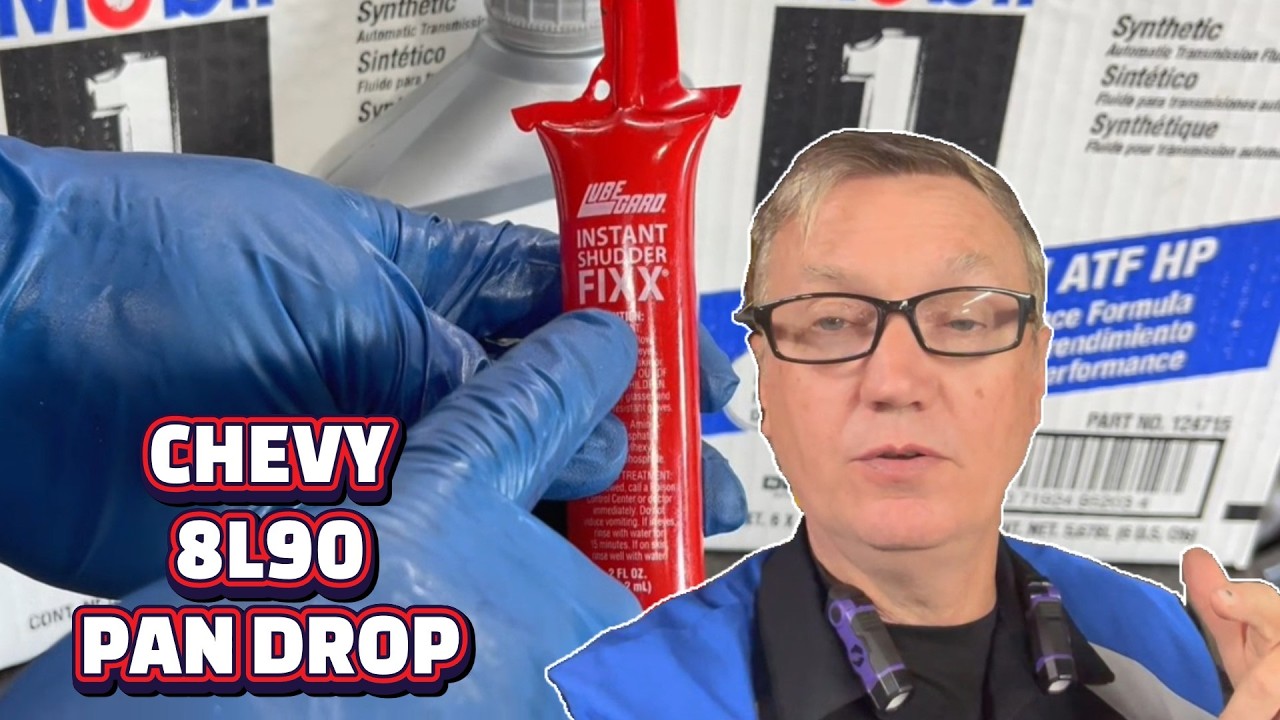
Use Mobil 1 Synthetic LV ATF HP
Dexron VI is the baseline, but Mobil 1 Synthetic LV ATF HP (blue label) is the gold standard for fixing and preventing shudder. It’s specifically engineered with a stable friction modifier package that resists moisture absorption and maintains a positive mu-slip coefficient. Avoid generic fluids or additives. This isn’t the place to cut corners.
Flush, Don’t Just Drain
A simple pan drop only replaces 40–50% of the fluid. To reset the friction chemistry, you need a full exchange. Either use a machine flush (preferred), or perform 3–4 drain-and-fill cycles, driving 10–15 minutes between each. This ensures old, degraded fluid is fully purged. Always replace the transmission filter during this service to catch initial debris.
Expect Immediate Results
If caught early, before glazing, many owners report the shudder vanishes the moment they drive off the lift. The transmission shifts smoothly again, feeling “like new.” If the shudder returns within 1,500–35,000 miles, the thermal system likely needs modification.
Install a Thermal Bypass Mod
Flip the Thermostat “Pill”
The factory thermal bypass valve blocks fluid from reaching the cooler until temps hit roughly 190°F. This design hurts longevity. The “pill flip” involves removing or modifying the pin in the valve to allow continuous cooling. This simple mod can drop operating temps by 40–50°F, drastically slowing fluid breakdown.
Add an Auxiliary Cooler
For trucks used for towing, idling, or in hot climates, install an aftermarket transmission cooler. Pair it with the pill flip for maximum thermal protection. Keep fluid temps below 180°F to prevent recurrence of shudder.
Update Transmission Software

Check for Latest TCM Calibration
Even with fresh fluid, an outdated Transmission Control Module (TCM) can cause shudder. GM has released software updates that refine torque converter lockup timing and line pressure. Visit a dealership or use a qualified technician to verify your VIN has the latest calibration. This step is essential. It’s the software’s job to manage clutch engagement based on the new fluid’s properties.
Avoid Outdated Shift Strategies
Older calibrations may command aggressive lockup in degraded fluid conditions, triggering shudder. The updated software adapts to real-world performance and helps prevent premature clutch engagement.
Replace Faulty Components

Swap the Torque Converter
If fluid and thermal fixes fail, the torque converter is likely glazed or damaged. Replacing it often resolves the shudder, especially if the gear train is still intact. Use an OEM or high-quality reman unit. Be aware: some owners report new shudder after replacement, possibly due to compatibility or residual contamination.
Clean or Replace the Valve Body
Debris from a failing torque converter can clog solenoids or wear valve body channels. Symptoms include harsh shifts, delayed engagement, or gear hunting. If present, the valve body may need cleaning or replacement. Flush the cooler lines to prevent recontamination.
Rebuild or Replace the Transmission
If metal shavings are found in the pan or the truck won’t move in any gear, a full rebuild or replacement is needed. Costs range from $4,000 to $7,400+ out of pocket. This is preventable with early fluid and thermal intervention.
Leverage Warranty and TSBs

Claim TSB #18-NA-355
GM issued TSB #18-NA-355 to cover the cost of a fluid exchange using Mobil 1 LV ATF HP, even after the 5-year/60,000-mile powertrain warranty expires, as long as the vehicle is within a certain age and mileage window. Bring this TSB to your dealer and insist on compliance. It can save you $500+ on the fluid service.
Know the Coverage Gaps
Modified trucks (lifts, non-stock tires) are often denied coverage. HD models with 6.0L engines may not qualify for 8-speed-specific TSBs. If denied, gather evidence and consider escalating to GM customer care or legal options.
Class Action Awareness
There are active class action lawsuits over GM’s handling of this known defect. Some owners report settlements were minimal, leading them to opt out for individual claims. Research your rights, especially if you’ve paid full price for a vehicle with a documented flaw.
Prevent Future Shudder
Change Fluid Every 30,000 Miles
Forget the factory 60,000–100,000-mile interval. Change the fluid and filter every 30,000 miles using Mobil 1 LV ATF HP. This aggressive schedule prevents friction modifier depletion and keeps the system clean.
Monitor for Early Signs
Watch for subtle vibrations at highway speeds, cold-weather shifting quirks, or delayed engagement. Early detection means a simple fluid change can save thousands.
Avoid Idling and Mismatched Tires
Limit extended idling and ensure tire size matches your axle ratio. Larger, heavier tires increase strain on the transmission, accelerating wear.
Frequently Asked Questions About Transmission Shudder in Chevy Silverado
What does transmission shudder feel like in a Chevy Silverado?
It feels like driving over rumble strips on smooth pavement, usually between 25 and 50 mph during light acceleration. The vibration often disappears when you press the gas or tap the brakes.
Which Chevy Silverado models are most affected by transmission shudder?
The 2015–2022 Silverado 1500 models with the 8L90 or 8L45 8-speed automatic transmission are most prone. Trucks with 5.3L and 6.2L engines see the highest rates of issues.
Can a transmission fluid change really fix shudder?
Yes, in about 90% of early cases. A full fluid exchange using Mobil 1 Synthetic LV ATF HP resets the friction chemistry and eliminates shudder if the torque converter clutch isn’t yet glazed.
What is TSB #18-NA-355 and how does it help?
It’s a GM Technical Service Bulletin that covers the cost of a fluid exchange with Mobil 1 LV ATF HP for eligible vehicles, even after the powertrain warranty expires. It can save you $500 or more on the service.
Why does my Silverado shudder more in hot weather?
High temperatures accelerate fluid breakdown, depleting friction modifiers faster. The factory thermal bypass valve also delays cooling, pushing fluid temps above 190°F and worsening shudder.
How much does it cost to fix severe transmission shudder?
A full transmission rebuild or replacement runs $4,000 to $7,400+ out of pocket. Catching shudder early with a fluid exchange costs roughly $450–$600 at a dealer.
Key Takeaways for Fixing Chevy Silverado Transmission Shudder
Transmission shudder in the Chevy Silverado is a chemistry-driven issue, not random mechanical failure. The fix starts with a full fluid exchange using Mobil 1 Synthetic LV ATF HP, followed by a thermal bypass mod and TCM update. Catch it early, and you can restore smooth driving for years. Delay it, and you risk a $7,000 rebuild. Your next step: check your mileage and fluid history. If you’re over 30,000 miles and haven’t changed the fluid, schedule a full exchange this week.