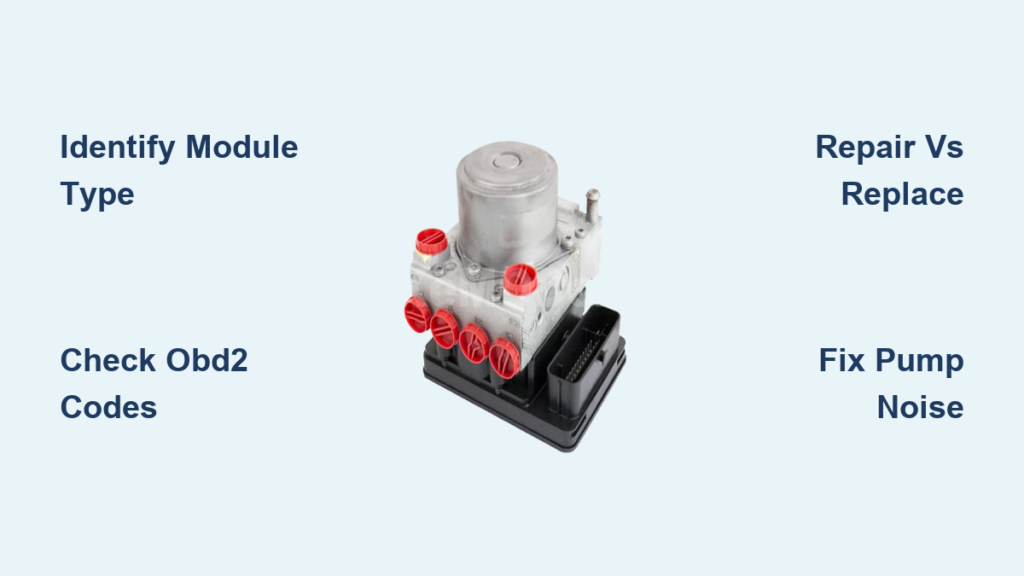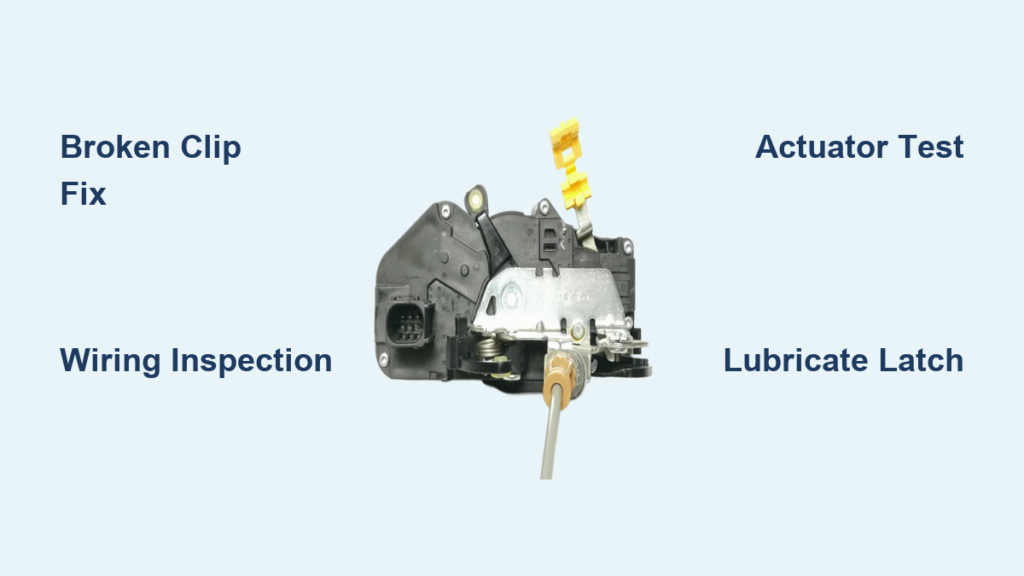
You turn the key or press the start button and nothing happens. Maybe a click, maybe dim lights, maybe complete silence. Your Chevrolet Silverado won’t start and you’re stuck. Thousands of Silverado owners face this every year, especially in 2015–2016 models. While a dead battery is the usual suspect, the real cause could be deeper, like hidden corrosion, a faulty junction block, or a failing security system.
This guide cuts through the noise. You’ll learn how to distinguish between electrical, fuel, ignition, and security failures. We cover proven troubleshooting steps whether you’re on your driveway or stranded on the road.
Check Battery and Connections

Test Battery Voltage and Load
The first step when your Silverado won’t start is checking the battery. A weak battery can mimic other serious issues. Turn on the headlights. If they dim or flicker when you crank, the battery is likely the culprit. Use a multimeter to test voltage:
- 12.6V or higher = Fully charged
- 12.2V–12.4V = Partially discharged
- Below 12.0V = Discharged or failing
Voltage alone doesn’t tell the full story. A battery can show 12.4V at rest but collapse under load. Perform a load test at an auto parts store or use a load tester. If the battery fails under cranking load, replace it. If a jump-start gets the engine running, the battery is the primary suspect.
Inspect for Corrosion and Loose Cables
Even a good battery won’t deliver power if connections are compromised. Open the hood and examine both battery terminals. Look for:
- White or green crust (corrosion)
- Loose or wobbly cables
- Cracked or swollen battery case
Clean terminals with a wire brush and baking soda solution. Tighten both positive and negative cables securely. Don’t overlook the ground cable. It runs from the negative terminal to the chassis or engine block. A loose or corroded ground can cause intermittent no-start, dim dash lights, or complete electrical failure.
Replace Battery After 3–5 Years
Batteries degrade over time. In extreme climates, hot summers or freezing winters, their lifespan shortens. If your Silverado is over 3–4 years old and you’ve had starting issues, consider proactive replacement. A new battery costs under $150 and can prevent roadside breakdowns. Choose one with sufficient Cold Cranking Amps for your region.
Diagnose Grounding Problems

Locate and Test G218 Ground Point
A failing ground connection is a silent killer in Silverados, especially 2015–2016 models. One critical ground point is G218, located on the forward left side of the dashboard. Access requires removing interior panels, but it’s essential for diagnosing intermittent electrical failures. Symptoms linked to G218 issues include:
- Complete instrument cluster blackout
- No OBD-II communication
- Loss of power steering and AC
- Intermittent no-crank, especially in damp conditions
Use a multimeter to test continuity between the negative battery terminal and G218. Any resistance above 0.5 ohms indicates a poor connection. Clean the contact point with electrical contact cleaner and reattach securely.
Perform the Shake Test on Ground Cables
Internal corrosion can hide inside the ground cable’s insulation where it’s invisible. The copper strands break down over time, especially near the battery or chassis connection. To test:
- Have a helper turn the key to “Start”
- Gently shake the ground cable along its length
- If the engine suddenly cranks or dash lights flicker back on, the cable is faulty
Replace the ground cable if you detect intermittent connection. DIY cost is under $50, and it can resolve stubborn no-start issues that mimic starter or ECM failure.
Address Moisture-Induced Electrical Failures
Morning dew or rain can trigger no-start conditions in Silverados due to moisture infiltration. Even if the engine bay looks dry, humidity can seep into connectors and ground points. Apply dielectric grease to all battery and ground connections during maintenance. This seals out moisture and prevents corrosion. For recurring issues in wet weather, inspect the fuse junction block seal.
Inspect Fuse Junction Block

Identify Part #88956786 Failure
For 2015–2016 Silverado 1500 and 2500HD models, the fuse junction block is a known failure point. Part #88956786 is commonly affected. This sealed unit under the hood on the driver’s side houses critical relays and fuses. A design flaw leaves the edge of the internal circuit board unsealed, allowing moisture to enter. This causes intermittent no-start, dashboard blackouts, and OBD-II communication loss, especially after rain or car washes.
Even if the box looks dry, internal water damage may be present. Symptoms include:
- No crank, no lights, no response
- Dash instruments go blank
- Vehicle starts in Neutral but not Park
- OBD-II scanner fails to connect
If you own a 2015–2016 model and experience moisture-related electrical issues, suspect the junction block.
Replace Junction Block Yourself
Replacing the fuse junction block is a DIY-friendly repair if you’re careful with connectors. Cost breakdown:
- Part: ~$157 (dealer or aftermarket)
- Labor: $300+ at a shop
- DIY Total: ~$200 (with ground cable upgrade)
Steps:
- Disconnect the negative battery terminal
- Remove the top cover (has handles, pull up)
- Unplug all harness connectors (label them if needed)
- Remove mounting screws and replace the unit
- Reconnect everything and test
Ensure connectors are fully seated. A misaligned plug can cause new issues. After replacement, test in wet conditions to confirm the fix.
Confirm Repair with CAN Bus Resistance
The Controller Area Network bus connects vehicle modules. Moisture in the junction block can alter resistance on CAN lines. Measure between Pin 6 (CAN High) and Pin 14 (CAN Low) at the OBD-II port:
- Normal: 60 ohms
- Faulty: Above 100 ohms or open circuit
After replacing the junction block, recheck resistance. A drop to 60 ohms confirms proper communication restoration. This test helps verify repair success when dash or starting issues persist.
Evaluate Starter and Ignition
Listen for Clicking or Silence
When you turn the key, listen carefully:
- Single loud click: Likely solenoid engaging but starter not turning
- Rapid clicking: Low battery voltage
- Silence: Possible ignition switch, neutral safety switch, or wiring issue
- Grinding or whirring: Starter gear or flywheel damage
If you hear a click but no cranking, the starter may be seized or the battery lacks power. If silent, check fuses, ignition switch, and neutral safety circuit.
Tap Test the Starter Motor
A failing starter may work intermittently. If you hear a click but no crank, try the tap test:
- Locate the starter (mounted on the transmission bellhousing)
- Gently tap it with a wrench or mallet
- Have someone try to start the truck
If it cranks after tapping, the starter’s internal brushes or commutator are worn. This is a temporary fix. Replace the starter soon. A new or rebuilt unit costs $150–$300, with labor adding $100–$200.
Diagnose Ignition Switch Failure
The ignition switch sends power to the starter, ECM, and accessories. If turning the key causes dash lights to flicker out or the engine dies, the switch may be failing. Common signs:
- Intermittent starting
- Key sticks or won’t turn
- Radio and lights cut off during crank
Test by wiggling the key while in the “Start” position. If the engine responds, the switch is worn. Replacement requires column disassembly and may need key reprogramming. Consider professional help unless experienced.
Confirm Fuel and Spark Delivery

Listen for Fuel Pump Prime
If the engine cranks but won’t start, the issue is likely fuel or spark. Turn the key to “On” (not start) and listen for a 2–3 second hum from the fuel tank. That’s the fuel pump priming. No sound? Check:
- Fuel pump fuse and relay (in junction block)
- Fuel pump wiring and ground
- Fuel level (very low fuel can overheat the pump)
If fuses are good but no hum, the pump may be dead. Use a fuel pressure gauge on the rail to confirm pressure. Silverado fuel pressure should be 55–62 psi.
Check Ignition Coils and Spark Plugs
No spark equals no start. Pull a spark plug wire (or coil-on-plug) and ground it to the engine block. Crank the engine and look for a strong blue spark. No spark? Possible causes:
- Failed ignition coil
- Bad crankshaft position sensor
- Blown ignition fuse
Inspect coils for cracks or carbon tracking. Replace any damaged units. Spark plugs should be replaced every 100,000 miles (for platinum/iridium) or 30,000 miles (copper). Fouled or gapped plugs prevent ignition.
Scan for Crankshaft Position Sensor Codes
The crankshaft position sensor tells the ECM when to fire fuel and spark. If it fails, the engine cranks but won’t start. Use an OBD-II scanner to check for codes like P0335 (CKP Circuit Malfunction). Even if no code appears, a failing CKP can cause intermittent no-start. The sensor is located near the harmonic balancer or flywheel. Check wiring for damage and ensure the air gap is correct.
Rule Out Security System Lockouts
Reset Passive Anti-Theft System
Modern Silverados use a Passive Anti-Theft System. If the key isn’t recognized, the engine may crank but fuel and spark are disabled. Symptoms:
- Security light flashes or stays on
- Engine cranks but won’t start
- Dashboard warning lights appear
To reset:
- Insert the key and turn to “On” (Run)
- Wait 10 minutes. The security light will blink, then go solid, then turn off
- Turn key off, wait 10 seconds, then try starting
This allows the system to relearn the key. Do this even if the key looks fine.
Test Spare Key and Fob Battery
A weak key fob battery can prevent recognition. Replace it and try again. Use a spare key to isolate the issue. If the spare starts the truck, the primary key’s transponder may be failing. Also, recent battery disconnects or jump-starts can trigger the security system. Always reset PATS after battery replacement.
Check for Remote Start Conflicts
Some owners report that remote start works when the key doesn’t, or vice versa. This suggests a fault in the ignition cylinder reader or security module wiring. If remote start functions, the engine and fuel system are likely fine. Focus on ignition switch or key recognition circuits.
Follow Step-by-Step Diagnostic Flow
Start with Electrical vs. Crank/No-Start
First, determine the failure type:
- No crank: Electrical issue (battery, starter, switch, ground)
- Crank/no-start: Fuel, spark, or sensor issue
If the engine doesn’t turn over, focus on battery, grounds, starter, and ignition. If it cranks but won’t fire, test fuel pressure, spark, and CKP sensor.
Use the Neutral Start Trick
If your Silverado won’t start in Park, try shifting to Neutral and cranking. If it starts, the issue may be:
- Faulty neutral safety switch
- Transmission range sensor
- Wiring in the junction block affected by Park position
This trick can bypass a bad circuit and get you moving temporarily.
Prioritize Moisture-Sensitive Models
If you own a 2015–2016 Silverado, prioritize checking the fuse junction block and G218 ground. These years are notorious for moisture-related electrical gremlins. Reproduce the issue by spraying water near the junction block or testing early in the morning after dew. If symptoms return, replace the block with a sealed unit.
Frequently Asked Questions About Silverado Not Starting
Why does my Silverado click but won’t start?
A single click usually means the solenoid is engaging but the starter isn’t turning. This points to a weak battery, corroded connections, or a failing starter motor. Rapid clicking indicates low battery voltage. Test your battery first, then inspect cables and grounds before replacing the starter.
Can a bad ground cause a Silverado not to start?
Yes. Bad grounds are a common cause of no-start conditions, especially in 2015–2016 models. The G218 ground point on the forward left side of the dashboard is particularly problematic. Symptoms include dashboard blackout, no OBD-II communication, and intermittent no-crank in damp conditions.
How do I reset the security system on my Silverado?
Insert the key and turn to “On” (Run) without cranking. Wait 10 minutes until the security light stops blinking and turns off. Turn the key off, wait 10 seconds, then try starting. This allows the Passive Anti-Theft System to relearn your key.
What is the fuse junction block problem on 2015–2016 Silverados?
Part #88956786 is a known failure point. The internal circuit board has an unsealed edge that allows moisture intrusion. This causes intermittent no-start, dashboard blackouts, and loss of OBD-II communication, especially after rain or car washes. Replacement costs about $200 DIY or $500 at a dealer.
Why does my Silverado start in Neutral but not Park?
This typically indicates a faulty neutral safety switch, transmission range sensor, or wiring issue in the junction block. The Park position engages a different safety circuit that may be compromised. Shifting to Neutral bypasses this circuit, which is why the engine cranks.
How long should a Silverado battery last?
Typically 3 to 5 years, depending on climate and usage. Hot summers and freezing winters shorten battery life. If your battery is over 4 years old and you’re experiencing starting issues, consider proactive replacement to avoid breakdowns.
Key Takeaways for Fixing Your Silverado Not Starting
Start with the basics: battery, connections, and grounds. These simple checks resolve most no-start issues. For 2015–2016 models, suspect the fuse junction block and G218 ground if moisture is involved. Use the 10-minute security reset, neutral start trick, and tap test as quick diagnostics before paying for professional repairs.
If your Silverado won’t start, grab a multimeter and work through this guide systematically. You can save hundreds in diagnostic fees and get your truck running fast.