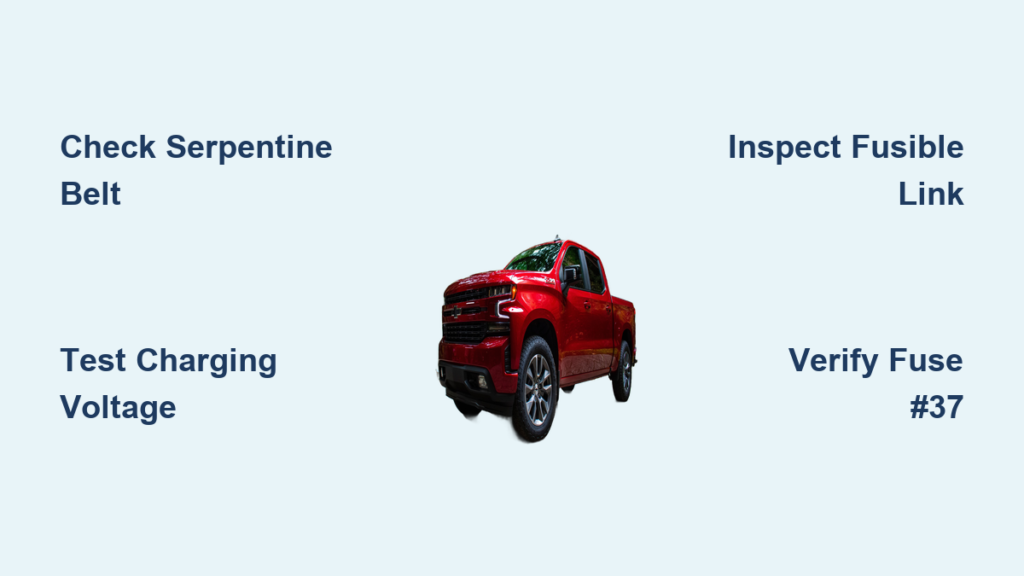
A dead battery in your Chevy Silverado can leave you stranded, especially in cold weather or after leaving the lights on overnight. Whether you drive a standard 1500, a heavy-duty 2500HD, or a modern 2021+ model with sensitive electronics, knowing how to jump a Chevy Silverado correctly is essential. This guide covers all models, years, and configurations with clear steps tailored to your truck’s specific system.
You’ll learn safe connection sequences, model-specific challenges, and critical warnings to avoid damaging sensitive electronics or the dual-battery setup in HD trucks. By the end, you’ll be equipped to get your Silverado running quickly and safely.
Standard Silverado Jump-Start Steps
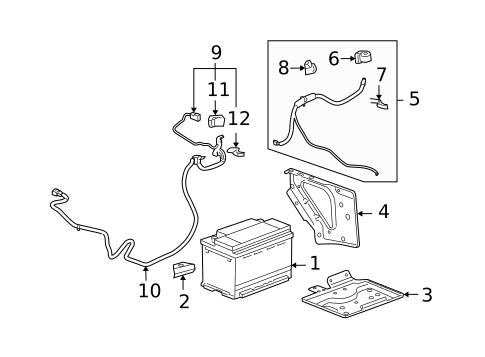
Most half-ton Silverados use a single battery, but accessing the terminals can be tricky due to tight engine bay design.
Locate the Battery and Identify Terminals
The battery is typically on the passenger side of the engine compartment. On many models, the positive terminal is visible, but the negative is recessed under the hood lip or blocked by the air intake. Don’t force a clamp onto a poorly seated terminal, as this risks arcing or poor contact.
Find a Reliable Ground Point
If the negative terminal is hard to reach, connect the black clamp to a clean, unpainted metal surface instead. Common grounding spots include:
- A bolt on the engine block
- A sturdy bracket on the frame
- The alternator casing, if clean and secure
Avoid painted surfaces because they block electrical flow. Use a wire brush to clean corrosion if needed.
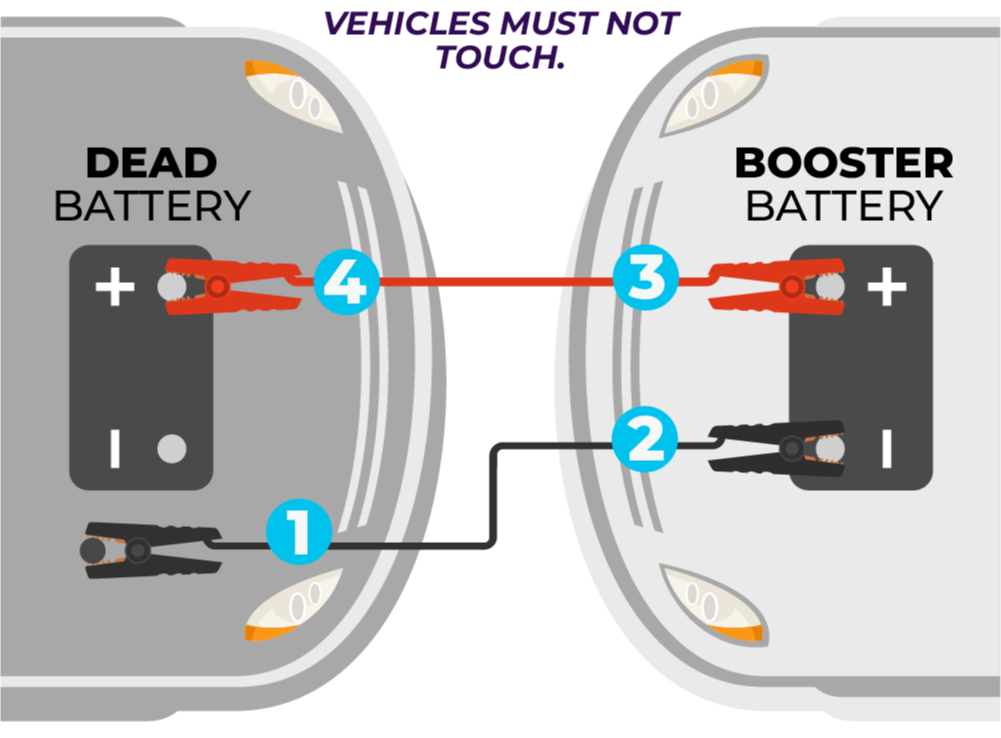
Connect Cables in the Right Order
Follow this sequence to prevent sparks near the battery:
- Red to dead battery (+): Clamp onto the positive terminal.
- Red to booster (+): Connect to the donor battery’s positive terminal.
- Black to booster (-): Attach to the donor’s negative terminal.
- Black to ground: Connect to your chosen clean metal point on the Silverado.
Once connected, start the booster vehicle and let it run for 2–3 minutes to transfer charge.
Start the Engine and Disconnect Safely
Try starting your Silverado. If it cranks slowly, wait another 2 minutes and retry. Once running:
- Remove the black clamp from the ground first.
- Remove the black clamp from the donor.
- Remove the red clamp from the donor.
- Finally, remove the red clamp from your battery.
Let your truck run for at least 10–15 minutes to recharge the battery before shutting off.
Heavy Duty Dual-Battery Jump Procedure
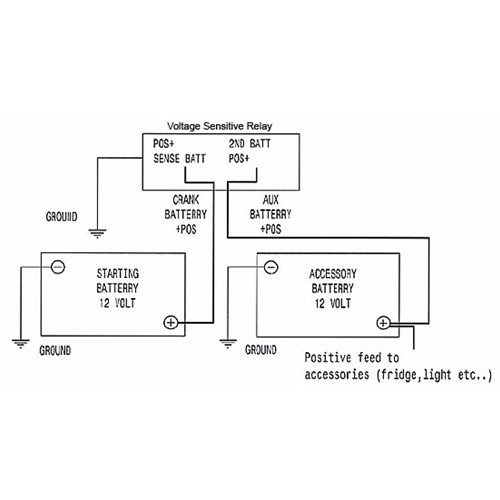
Silverado 2500HD and 3500HD models use two batteries wired in parallel, requiring special care to avoid electrical damage.
Never Jump One Battery Alone
Connecting only to the auxiliary battery can blow fuses or damage the charging system. Always apply power to the main starter battery terminals or designated jump points.
Access the Correct Terminals
The positive terminals are usually on the passenger side, covered by a plastic cap. Remove the cap to expose the post. The negative side connects to the chassis, but do not attach the negative clamp directly to the battery unless specified in your manual.
Use a High-Capacity Jump Starter
A portable unit like the Noco GB150 is ideal for HD trucks. It delivers up to 4,000 amps and eliminates the need for a second vehicle.
How to Jump with a Portable Starter:
- Connect the red clamp to the main positive terminal.
- Attach the black clamp to a grounded engine bolt or frame.
- Turn on the jump starter.
- Start the engine.
If one unit isn’t enough, especially in cold weather, use two jump starters simultaneously to provide sufficient cranking power.
Disconnect After Starting
After the engine runs:
- Turn off the jump starter.
- Remove the black clamp first, then the red.
- Replace all covers and secure the hood.
Modern Silverado (2021+) Electronic Precautions
Newer Silverados have sensitive control modules that can be damaged by voltage spikes during a jump start.
Charging Is Safer Than Jumping
If your 2021+ Silverado won’t start due to a dead battery, avoid jump-starting if possible. Instead:
- Use a smart battery charger to slowly restore full voltage.
- Let it charge for 6–12 hours to reach 100%.
This protects the Powertrain Control Module (PCM) and Body Control Module (BCM) from surge damage.
When Jumping Is Necessary
If you must jump:
- Use a regulated jump starter with over-voltage protection.
- Follow standard connection order, but connect black to a distant ground point, not near the battery.
- Start the engine and allow it to idle for 10 minutes.
Clear Fault Codes After Recharge
A dead battery often triggers a Check Engine Light. After charging:
- Use an OBD2 scanner to read and clear stored codes.
- Drive for 1–2 hours at highway speeds to complete a full drive cycle and allow systems to reset.
Troubleshoot Common Jump Failures
Even with correct connections, your Silverado might not start. Use this guide to diagnose why.
Why Does It Click But Not Start?
A clicking noise means the starter relay is engaging, but the motor isn’t turning.
- Test battery voltage: Below 10V means it’s too weak to crank.
- Check ground connections: Loose or corroded grounds prevent current flow.
- Inspect starter relay: Swap it with the horn relay to test functionality.
No Lights, No Sound? Check for a Dead Circuit
Complete silence suggests a fully drained battery or broken circuit.
- Verify connections are tight.
- Try a different jump source or charger.
- Inspect battery cables for corrosion or breaks.
“Low Battery” Message on Dashboard?
This appears when voltage drops below system threshold.
- Charge the battery fully.
- Retest with a multimeter: 12.6V or higher is healthy.
- Below 12.4V? The battery may need replacement.
Use the Right Tools and Cables
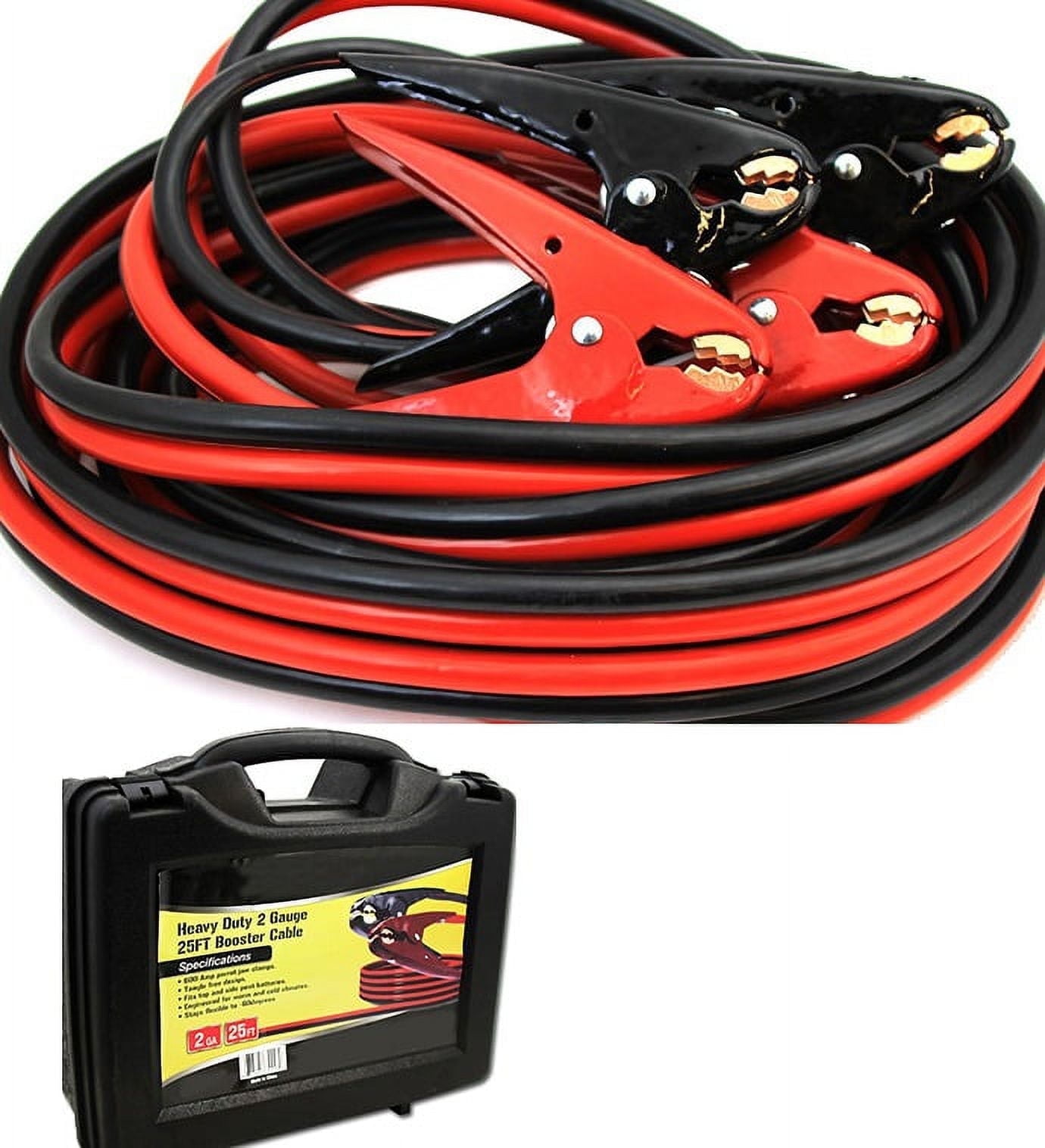
Having the correct equipment makes a big difference in success and safety.
Choose Heavy-Duty Jumper Cables
Standard thin cables can’t deliver enough power for a V8 engine.
- Use 2-gauge or thicker cables.
- Opt for “crab claw” clamps because they grip better in tight spaces.
Carry a Portable Jump Starter
A compact lithium unit like the Noco GB150 is a game-changer:
- No need for a second vehicle.
- Works even in extreme cold.
- Safe for HD and modern models when used correctly.
Keep it charged and stored inside the cab during winter.
Essential Diagnostic Tools
| Tool | Purpose |
|---|---|
| Multimeter | Confirm battery voltage before and after charging |
| OBD2 Scanner | Retrieve and clear fault codes after a dead battery event |
| Wire Brush | Clean terminals and ground points for solid contact |
| Wrench Set | Loosen tight terminal bolts if needed |
Prevent Future Battery Failures
Avoid getting stranded by taking proactive steps to maintain your Silverado’s battery health.
Upgrade to an AGM Battery
For trucks with high electrical loads like winches, campers, or inverters, switch to an AGM (Absorbent Glass Mat) battery:
- More resistant to vibration and deep discharges.
- Longer lifespan than standard lead-acid batteries.
Install a Battery Monitor
A real-time monitor alerts you to voltage drops before the battery dies. Look for models with low-voltage alarms and Bluetooth connectivity.
Perform Regular Maintenance
- Clean terminals every 3–6 months with a wire brush and baking soda solution.
- Apply dielectric grease after cleaning to prevent corrosion.
- Check for parasitic drain if the battery dies repeatedly, since something may be drawing power when the truck is off.
Keep the Truck Charged During Storage
If your Silverado sits idle:
- Use a trickle charger or battery maintainer.
- Start and drive it for 30+ minutes weekly.
Post-Jump Driving and Recharge Tips
Starting the engine is just the first step. Proper recharging ensures you won’t be stranded again.
Run the Engine Before Shutting Off
After a jump, do not turn off the engine immediately. Let it run for:
- 10–15 minutes (standard models)
- 15–20 minutes (HD or deeply discharged batteries)
This allows the alternator to build surface charge.
Drive to Fully Recharge
City driving with short trips won’t fully recharge a dead battery. For a complete recovery:
- Drive 1–2 hours at highway speeds (60+ mph).
- This maximizes alternator output and restores full capacity.
Test Battery Health Afterwards
Once recharged:
- Use a multimeter to check voltage (should be 12.6V+ at rest).
- Have the battery load-tested at an auto parts store for free.
If it fails, replace it before your next trip.
Frequently Asked Questions About Jump-Starting a Chevy Silverado
Where Is the Battery Located on a Chevy Silverado?
On most standard Silverado 1500 models, the battery is on the passenger side of the engine bay. On Heavy Duty 2500HD and 3500HD models, you’ll find a dual-battery setup with positive terminals also on the passenger side, covered by a plastic cap.
Can You Jump a Chevy Silverado from Another Car?
Yes, you can jump a Silverado from another vehicle using standard jumper cables. Connect red to positive on both batteries, then black to negative on the donor and to a clean ground point on the Silverado. For HD models, a portable jump starter is often more reliable than a second vehicle.
Why Is the Negative Terminal Hard to Access on a Silverado?
Many Silverado models have the negative terminal tucked under the hood lip or blocked by the air intake. When this happens, connect the black clamp to a clean, unpainted metal surface on the engine block, frame, or alternator casing instead.
Is It Safe to Jump a 2021 or Newer Silverado?
Jump-starting a 2021+ Silverado carries some risk to sensitive electronics like the PCM and BCM. The safer option is using a smart battery charger for 6–12 hours. If you must jump, use a regulated jump starter with over-voltage protection.
How Long Should You Let a Silverado Run After a Jump?
Let the engine run for at least 10–15 minutes on standard models or 15–20 minutes on HD models. For a full recharge, drive at highway speeds for 1–2 hours rather than relying on idle charging alone.
What Does It Mean If My Silverado Clicks but Won’t Start?
A clicking sound with no crank usually points to a weak battery, a faulty starter relay, or poor ground connections. Test the battery voltage with a multimeter and try swapping the starter relay with the horn relay to isolate the problem.
Key Takeaways for Jump-Starting Your Chevy Silverado Safely
Jump-starting a Chevy Silverado successfully depends on knowing your specific model. Standard 1500 trucks need careful attention to ground points because the negative terminal is often hard to reach. HD models with dual batteries require power applied to the correct main terminals to avoid blown fuses. Modern 2021+ Silverados are best recharged slowly rather than jumped to protect sensitive electronics.
Before your next trip, check your battery voltage with a multimeter, keep a portable jump starter like the Noco GB150 charged and accessible, and clean your terminals every few months. These simple steps will keep you prepared for any dead battery situation and ensure your Silverado stays reliable for years to come.